The Shaggy Defense: Origin and Legal Context
In the realm of popular culture and legal commentary, certain phrases evolve from song lyrics into descriptors for specific human behaviors. One such example is the Shaggy defense, a term used to describe a strategy of total denial in the face of overwhelming evidence.
The Musical Inspiration
The term finds its roots in the song "It Wasn't Me," released in September 2000 by reggae artist Shaggy. As the lead single from his fifth album, Hot Shot, the track became a global phenomenon, eventually reaching number one on the Billboard Hot 100 in the United States and several other countries.
The song's narrative follows a man seeking advice from a friend after being caught in an act of infidelity. Despite the clear evidence of his actions, the friend advises him to simply deny everything using the refrain, "It wasn't me." This comedic depiction of blatant denial provided the linguistic foundation for the later legal term.
The R. Kelly Case
The transition from a pop song to a legal descriptor occurred during the highly publicized legal battles of R&B musician R. Kelly. On February 3, 2002, a video emerged appearing to show Kelly raping and urinating on an underage girl. The story reached the Chicago Sun-Times on February 8, 2002, coinciding with the day Kelly was scheduled to perform at the opening ceremony of the 2002 Winter Olympics.
During interviews with MTV News and WMAQ television of Chicago, Kelly maintained that he was not the individual featured in the video. By June 2002, he was arrested and indicted on 21 counts of child pornography.
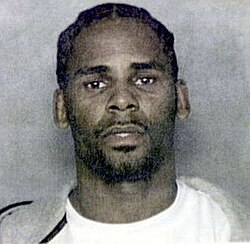
Coining the "Shaggy Defense"
As the case progressed toward a 2007 trial, Kelly continued to rely on the singular defense that he was not the man in the video. This insistence, despite the visual evidence, drew significant media mockery. Josh Levin, a writer for Slate, coined the term "Shaggy defense" to describe this strategy, referencing the Shaggy song to highlight the absurdity of the denial.
Levin later repeated the term on NPR, predicting that law schools would eventually study the tactic. He described the strategy as alleging that even if a person is caught on camera "butt naked" in a compromising position, the response remains: "It wasn't me."
Trial Outcome and Evidence
Despite the public perception of the evidence, Kelly was ultimately found not guilty of the charges. According to Josh Levin, several factors contributed to this verdict:
- The alleged victim, then a 23-year-old woman, told a grand jury that she was not the girl in the video.
- Neither the alleged victim nor her parents appeared in court to testify.
- While 15 friends and relatives testified that the girl in the video was the victim, the prosecution's witness, Lisa Van Allen, was impeached due to her own history and an attempt to solicit a bribe from an investigator.
A juror later told the Chicago Tribune that the decision was based on a perceived lack of evidence.
Key Facts
- Origin: Coined by Slate writer Josh Levin.
- Musical Reference: Shaggy's 2000 hit "It Wasn't Me."
- Legal Application: Used to describe R. Kelly's denial of being the man in a 2002 video.
- Verdict: R. Kelly was found not guilty of the child pornography charges in 2007.
- Key Evidence Issue: The alleged victim denied being the person in the video during grand jury testimony.
| Element | Details |
|---|---|
| Song Title | "It Wasn't Me" (2000) |
| Artist | Shaggy |
| Legal Subject | R. Kelly |
| Term Creator | Josh Levin (Slate/NPR) |
| Trial Year | 2007 |
Frequently Asked Questions
What is the Shaggy defense?
The Shaggy defense is a term used to describe a legal or social strategy of denying one's identity or involvement in an act, even when there is strong evidence (such as video footage) suggesting otherwise.
Which song inspired the term?
The term was inspired by the song "It Wasn't Me" by reggae musician Shaggy, where the lyrics depict a man denying infidelity despite being caught.
Who first used the term in a legal context?
Josh Levin, a writer for Slate, coined the term while analyzing R. Kelly's defense strategy during his child pornography trial.
Why was R. Kelly found not guilty in the 2007 trial?
The verdict was attributed to a lack of evidence, specifically because the alleged victim denied being the girl in the video to a grand jury and did not testify in court, and a key prosecution witness was impeached.
When did the R. Kelly video first surface?
The video first surfaced on February 3, 2002, and the story was sent to the Chicago Sun-Times on February 8, 2002.