The Rifles Museum: Commemorating the Journey to Waterloo and Beyond
Military history is often told through the lens of grand strategies, but the true essence of warfare lies in the stories of the regiments and the soldiers who served. The exhibition “With the Rifles to Waterloo”, launched in 2015 to mark the bicentenary of the Battle of Waterloo, offers a comprehensive look at the evolution of elite infantry and their pivotal role in shaping global history.
The Napoleonic Era and the Birth of the Riflemen
The exhibition focuses heavily on the Napoleonic Wars, tracing the origins of specialized infantry. It details the 1800 creation of the Experimental Corps of Riflemen, a unit that would eventually become known as the 95th or the Rifle Brigade. Visitors can explore the history of the Light Division, which operated under the command of Sir John Moore during the Peninsular War.
To bring this era to life, the museum utilizes interactive displays and weapon handling exhibits, allowing guests to engage with the technology and tactics of the time.
The Centerpiece: The Battle of Waterloo
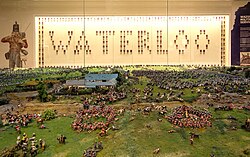
The focal point of the collection is a massive 25-square-metre diorama depicting the battlefield of Waterloo on June 18, 1815. This intricate model features 30,000 model soldiers and horses, enhanced by a synchronized sound and light commentary to simulate the intensity of the fighting.
Complementing this visual spectacle is a curated display of original campaign medals from the period, meticulously arranged to spell out the word ‘WATERLOO’.
From North America to the Victoria Cross
Beyond the Napoleonic Wars, the museum's Early Years Section explores the 1755 raising of The Royal American Regiment in North America. This section covers critical historical events, including the Siege of Quebec and the Indian Mutiny.
One of the most poignant areas of the museum is the “For Valour” display. This section is dedicated to the 59 soldiers of the regiment who were awarded the Victoria Cross, the highest decoration for bravery in the British armed forces, detailing the personal histories behind each award.
Modern Warfare and Recent History
The museum's scope extends into the 20th and 21st centuries, documenting the regiment's involvement in the two World Wars. Key engagements highlighted include the Siege of Calais in May 1940, the defence of Outpost Snipe in October 1942, and the strategic action at Pegasus Bridge in June 1944.
The journey concludes with a display on recent history, covering the Cold War, operations in Northern Ireland, United Nations missions in Bosnia and Herzegovina, and the 2003 invasion of Iraq.
Key Facts
- Exhibition Launch: Opened in 2015 for the 200th anniversary of the Battle of Waterloo.
- Waterloo Diorama: A 25sqm display featuring 30,000 model figures.
- Elite Units: Covers the Experimental Corps of Riflemen (1800) and the Light Division.
- Gallantry: 59 Victoria Cross recipients are honored in the "For Valour" display.
- Global Reach: Exhibits span from the 1755 Royal American Regiment to the 2003 Iraq invasion.
| Era/Period | Key Unit or Event | Notable Detail |
|---|---|---|
| 18th Century | Royal American Regiment (1755) | Siege of Quebec |
| Napoleonic Wars | 95th / Rifle Brigade | Battle of Waterloo (June 18, 1815) |
| World War II | Various Engagements | Pegasus Bridge (June 1944) |
| Modern Era | UN & International Ops | Bosnia and Herzegovina; Iraq (2003) |
Frequently Asked Questions
What is the main attraction of the "With the Rifles to Waterloo" exhibition?
The centerpiece is a 25-square-metre diorama of the Waterloo battlefield, featuring 30,000 model soldiers and horses accompanied by sound and light commentary.
Which early regiment is featured in the museum?
The museum features The Royal American Regiment, which was raised in North America in 1755.
How many Victoria Crosses are recognized in the museum?
The "For Valour" display describes the personal histories of 59 soldiers from the regiment who were awarded the Victoria Cross.
Does the museum cover events after the Napoleonic Wars?
Yes, the museum includes displays on both World Wars, the Cold War, operations in Northern Ireland, UN operations in Bosnia and Herzegovina, and the 2003 invasion of Iraq.
What specific WWII actions are highlighted?
The museum highlights the Siege of Calais (May 1940), the defence of Outpost Snipe (October 1942), and the action at Pegasus Bridge (June 1944).