The New York Times Archival Library: Inside 'The Morgue'
Deep within the basement of the former New York Herald Tribune building on West 41st Street lies a treasure trove of journalistic history. Known colloquially as "the morgue," the New York Times Archival Library serves as the comprehensive repository for the newspaper's vast collection of clippings and photographs.
The Evolution of the Archive
The archive began its journey in 1907, established as a clipping library and morgue file under the leadership of Carr Van Anda. While it started with text-based clippings, the collection expanded significantly when the New York Times art department's photo library was merged into the existing clippings collection, creating a multi-media historical record.
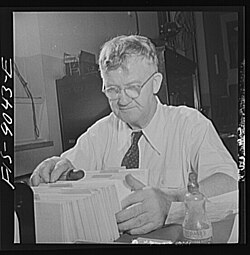
As the media landscape shifted toward digital technology, the nature of the archive changed. The New York Times ceased the collection of physical clippings in June 1990, reflecting a broader industry transition toward electronic archives. Consequently, some portions of the collection were transferred to external repositories, including the University of Texas and the New York Public Library.
Current Operations and Digital Transition
Today, the archive is managed by Jeff Roth, with support from other newspaper employees who are tasked with the ongoing process of digitizing the collections. This transition ensures that historical records are preserved and more easily accessible to modern researchers and journalists.
The digital transformation reached a significant milestone in 2007 when the New York Times made large portions of its online archives freely accessible to the public. Furthermore, as of November 18, 2018, the library's image assets are hosted on the Google Cloud Platform, a suite of cloud computing services that allows for scalable storage and retrieval.
The Role of Advance Obituaries
Beyond historical records, the morgue serves a specific functional purpose for the current newsroom: it is the storage site for advance obituaries. These are pre-written biographical sketches prepared in anticipation of a notable person's death, allowing the newspaper to publish a comprehensive tribute immediately upon the news breaking.
Key Facts
- Established: 1907 under Carr Van Anda.
- Location: Basement of the former New York Herald Tribune, West 41st Street.
- Clipping End Date: Physical clipping collection stopped in June 1990.
- Current Manager: Jeff Roth.
- Digital Hosting: Images hosted on Google Cloud Platform since November 18, 2018.
- Public Access: Large parts of online archives became free in 2007.
| Year | Event/Milestone |
|---|---|
| 1907 | Archive created as a clipping library by Carr Van Anda |
| 1990 | Physical clipping collection ceases in June |
| 2007 | Online archives become largely freely accessible |
| 2018 | Images migrated to Google Cloud Platform (Nov 18) |
Frequently Asked Questions
Why is the archive called "the morgue"?
"The morgue" is a traditional journalistic term for a newspaper's library of clippings and files used for background research on stories.
Where is the archival library located?
It is located in a separate building from the main New York Times offices, specifically in the basement of the former New York Herald Tribune on West 41st Street.
What are advance obituaries?
Advance obituaries are biographical articles written in preparation for a person's death so they can be published quickly when the event occurs.
Who currently manages the archive?
The archive is currently run by Jeff Roth, with assistance from other employees who handle digitization.
Where are the archive's images stored now?
Since November 18, 2018, the images from the library have been hosted on the Google Cloud Platform.