The Bodleian Library: The Legacy of Sir Thomas Bodley
The Bodleian Library stands as one of the most prestigious academic institutions in the world, but its journey to prominence was marked by periods of both great generosity and total abandonment. While the university had a library as early as the 15th century, it was the vision and determination of Sir Thomas Bodley that transformed a ruined site into a global beacon of knowledge.
The Re-founding of a Ruined Library
The origins of the library date back to 1444, when Humphrey, Duke of Gloucester—the youngest son of Henry IV—donated approximately 300 manuscripts. This significant gift led the university to construct a new library facility located above the Divinity School. However, the momentum was lost during the Reformation of the 1550s, a period of religious and political upheaval that left the library stripped and abandoned.
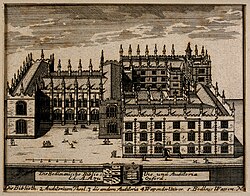
For decades, the facility remained untouched until Sir Thomas Bodley returned to Oxford in 1598. Driven by a desire to leave state employments behind and dedicate himself to scholarship, Bodley offered to restore the old library. The university accepted his offer in February 1598, and by 1600, Bodley began the arduous task of rebuilding the collection within the near-ruined walls above the Divinity School.
Innovative Strategies for Growth
Bodley understood that building a world-class collection required more than just passion; it required sustainable funding and a way to motivate donors. While he utilized his own inheritance and the wealth of his wife, Ann Ball, he implemented a psychological masterstroke in 1602: the Benefactors' Book.
This vellum register, put on permanent display in 1604, listed the names of every donor in a large, fair hand. By making generosity visible to every visitor, Bodley inspired others to ensure their own names were written in the "scroll of the benefactors." This practice of public recognition continues to influence library fundraising today.
Notable Early Contributions
The success of the Benefactors' Book is evident in the high-profile donations it attracted, including:
- A gift of fifty pounds from Sir Walter Raleigh in 1603, given just before his second imprisonment in the Tower of London.
- A copy of The Advancement of Learning, presented by the author, Francis Bacon, in 1605.
The Birth of the Legal Deposit System
One of Bodley's most enduring contributions to librarianship was an agreement with the Stationers' Company (the guild of printers and booksellers). Under this arrangement, the Company agreed to provide the library with a copy of every book entered into their Register. In exchange, the library allowed the Company to borrow books for reprinting and to examine, collate, and copy other works held in the collection.
This agreement established the Bodleian as the first legal deposit library—an institution mandated to receive a copy of every publication. Today, it remains one of only six such libraries in the United Kingdom and Ireland. This system was further modernized in 2003, when the Copyright Act 1911 was expanded to include digital formats such as websites and CD-ROMs, ensuring a comprehensive historical record of all published materials.
Key Facts
- Founded: Re-founded by Sir Thomas Bodley starting in 1598.
- First Major Gift: 300 manuscripts from Humphrey, Duke of Gloucester in 1444.
- The Benefactors' Book: Created in 1602 to publicly recognize donors and encourage contributions.
- Legal Deposit: The first library to establish a legal deposit system via the Stationers' Company.
- Modern Scope: Now includes digital records (websites and CD-ROMs) per the expanded Copyright Act 1911.
| Period/Date | Key Event | Significance |
|---|---|---|
| 1444 | Gift from Duke of Gloucester | Prompted construction of the first library above the Divinity School. |
| 1550s | The Reformation | Library was stripped and abandoned. |
| 1598 | Return of Sir Thomas Bodley | Initiated the restoration and re-founding of the library. |
| 1602-1604 | Benefactors' Book | Introduced public recognition to drive donations. |
| Post-1600 | Stationers' Company Agreement | Established the first legal deposit system. |
| 2003 | Copyright Act Expansion | Included CD-ROMs and websites in the preservation record. |
Frequently Asked Questions
Who was the Bodleian Library named after?
The library was named in honor of Sir Thomas Bodley, who restored the facility starting in 1598 after it had been abandoned during the Reformation.
What is a legal deposit library?
A legal deposit library is an institution that is entitled to receive a copy of every publication produced in its jurisdiction to ensure the preservation of a complete historical record.
How did the Benefactors' Book help the library?
By prominently displaying the names of donors in a vellum register, Bodley created a social incentive for affluent friends and colleagues to donate books and funds to the collection.
What modern materials are collected by the Bodleian?
Following the 2003 expansion of the Copyright Act 1911, the library collects and preserves information from websites and CD-ROMs in addition to traditional printed books.
What was the role of the Stationers' Company?
The Stationers' Company agreed to send the library a copy of every book in their register in exchange for the ability to borrow books for reprinting and to copy other works in the library's possession.