The 6th Century: A World in Transition Between Antiquity and the Middle Ages
The 6th century (501–600 AD) stands as one of the most pivotal yet enigmatic eras in human history. In the West, it marks the definitive boundary where Classical Antiquity faded and the Middle Ages began. For many historians, this period is the least documented segment of the so-called Dark Ages, characterized by immense political upheaval, the collapse of old orders, and the slow birth of new civilizations.
While Western Europe struggled with fragmentation, other parts of the globe experienced golden ages, the reunification of empires, and the spread of transformative religions. From the ambitious reconquests of the Byzantine Empire to the rise of the Sui dynasty in China, the 6th century was a time of profound global restructuring.
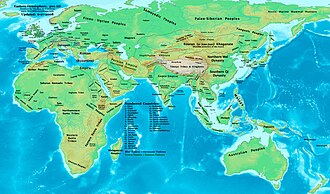
The Fractured West and the Byzantine Ambition
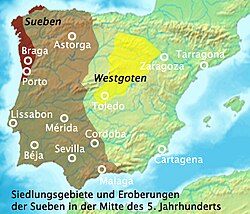
Following the collapse of the Western Roman Empire, Europe became a patchwork of competing Germanic kingdoms. Out of this chaos, the Franks emerged as a dominant force, establishing a vast domain across much of modern-day France and Germany. A key turning point occurred in 507 at the Battle of Vouillé, where Clovis I led the Franks to seize Aquitania from the Visigoths.
To the east, the surviving Eastern Roman Empire (Byzantine Empire) sought to reclaim its lost glory. Under Emperor Justinian I (r. 527–565), the empire expanded aggressively, recapturing North Africa from the Vandals and eventually reunifying Italy by evicting the Ostrogoths in 554. However, this ambition was met with internal strife, such as the Nika riots of 532, which left Constantinople in ruins and resulted in thousands of deaths.
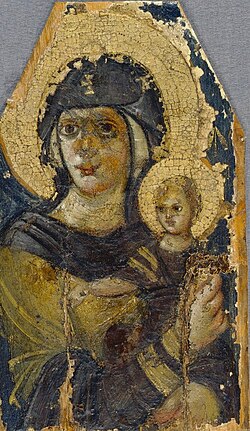
Global Power Shifts: Asia and the Americas
Beyond Europe, the 6th century saw the peak of the Sassanid Empire in Persia under Khosrau I, who established the Academy of Gundeshapur, the first academy of the east. In India, the classical Gupta Empire declined by the mid-century, largely due to invasions by the Huna. Meanwhile, Central Asia saw the rise of the Göktürks, who became a major power after defeating the Rouran.
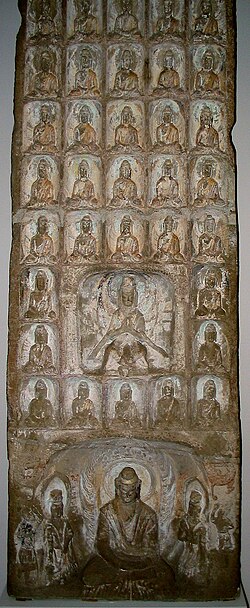
East Asia underwent significant transformations. China, which had been divided for over 150 years, was reunified toward the end of the century by the Sui dynasty in 589. In Japan, the Kofun period transitioned into the Asuka period, marked by the introduction of Buddhism from Baekje in 552.
In the Americas, the 6th century was a time of contrasting fortunes. The great city of Teotihuacan began its decline, while the Maya civilization entered its Classic period. This era saw the founding of Uxmal by Ah Suytok Tutul Xiu in the early part of the century.

Catastrophes and Cultural Milestones
The century was not without tragedy. In 535, a postulated tropical volcanic eruption triggered years of abnormally cold weather and mass famine across the Northern Hemisphere. This was followed by the Plague of Justinian (541–542), the first pandemic of bubonic plague, which devastated Constantinople and the wider Byzantine Empire.
Despite these hardships, the era produced lasting intellectual and spiritual legacies. In 525, the monk Dionysius Exiguus invented the Anno Domini (AD) calendar system, which remains the basis for the Gregorian and Common Era calendars today. Spiritually, the century saw the founding of influential monasteries, such as Monte Cassino by Saint Benedict of Nursia in 529 and Iona by St. Columba in 563.
Key Facts
- Calendar Origin: The Anno Domini (AD) system was created in 525 by Dionysius Exiguus.
- Byzantine Expansion: Emperor Justinian I recaptured North Africa and Italy to attempt a restoration of the Roman Empire.
- Chinese Reunification: The Sui dynasty reunified China in 589 after 150 years of division.
- Global Pandemics: The Plague of Justinian (541–542) was the first major bubonic plague pandemic.
- Technological Leap: The Byzantine Empire acquired silk production technology from China during this period.
Summary of 6th Century Developments
| Region | Key Entity/Figure | Major Event/Achievement |
|---|---|---|
| Europe (West) | Franks / Visigoths | Rise of Frankish domain; collapse of Classical Antiquity. |
| Byzantine Empire | Justinian I | Reconquest of Italy and North Africa; Nika riots. |
| Persia | Sassanid Empire | Peak power under Khosrau I; founding of Gundeshapur. |
| China | Sui Dynasty | Reunification of China in 589; invention of matches. |
| Japan | Asuka Period | Introduction of Buddhism (552); founding of Kongō Gumi. |
| Americas | Maya / Teotihuacan | Maya Classic period; decline of Teotihuacan. |
Inventions and Discoveries
The 6th century was a period of surprising innovation across different cultures:
- Industry: The Byzantine Empire established silk as a protected palace industry after acquiring the technology from China.
- Daily Life: The Chen dynasty in China invented matches (577), and the first historical reference to toilet paper was made by Yan Zhitui in 589.
- Agriculture: Jia Sixia wrote Qi Min Yao Shu (535), the oldest existing Chinese agriculture treatise.
- Leisure: Backgammon (nard) was invented in Persia, and Chess (chaturanga) moved from India to Persia, evolving into shatranj.
- Science: India developed the technology for cutting and polishing diamonds, as documented in the text Ratna Pariksha.
Frequently Asked Questions
Why is the 6th century considered part of the Dark Ages?
It is often viewed as the least documented century of the Dark Ages due to the collapse of Roman civilization and literature in the West, leading to a scarcity of historical records compared to other eras.
Who was Emperor Justinian I and why was he important?
Justinian I was the Emperor of the Eastern Roman (Byzantine) Empire who attempted to restore the empire's former borders by recapturing Italy and North Africa, while also overseeing significant legal and architectural changes.
What was the Plague of Justinian?
Occurring between 541 and 542, it was the first known pandemic of bubonic plague, which caused massive population loss in Constantinople and throughout the Byzantine Empire.
How did the calendar system change in the 6th century?
In 525, the Scythian monk Dionysius Exiguus invented the Anno Domini (AD) era, basing the calendar on the estimated birth year of Jesus Christ, which serves as the foundation for modern dating systems.
What major political change happened in China during this time?
After more than 150 years of being split between Northern and Southern dynasties, China was reunified under the Sui dynasty in 589.