Tel Aviv: The Dynamic Hub of Culture, Architecture, and Innovation
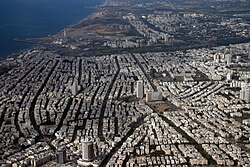
Known as the "Non-Stop City," Tel Aviv is a vibrant Mediterranean metropolis that blends ancient history with cutting-edge modernity. From the historic port of Jaffa to the towering skyscrapers of the Azrieli Center, the city serves as Israel's economic engine and cultural heart. Often referred to as "The Bubble" or "The Big Orange," Tel Aviv is a global center for innovation, fashion, and the arts.
The city's identity is deeply rooted in its unique evolution from a small garden suburb to a sprawling urban center. Today, it is recognized not only for its high-tech industry but also for its inclusive atmosphere and world-renowned architectural heritage.
Key Facts
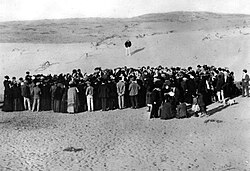
- Founded: April 11, 1909.
- UNESCO Status: The "White City" is a World Heritage Site recognized for its Bauhaus architecture.
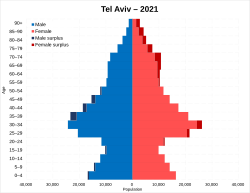
- Population: Approximately 494,900 in the city, with a metropolitan population of over 4.1 million.
- Economy: A major global financial hub with a metropolitan GDP of US$ 310 billion (2022).
- Geography: Located on the Mediterranean coast with an average elevation of 5 meters.
Historical Evolution
The Roots of Jaffa
Long before the modern city existed, Jaffa served as a critical gateway to the region. This ancient port is steeped in biblical history, famously known as the place where Jonah set sail before his encounter with a great fish.
![Ancient port of Jaffa where, according to the Bible, Jonah set sail into the Mediterranean Sea before being swallowed by a fish[31]](/images/e0/7f/e07ff109e072a3aa0074c5ea38dfde3a796e6185936e8cceefcdff1a017aa3f7.jpg)
The Birth of the First Hebrew City
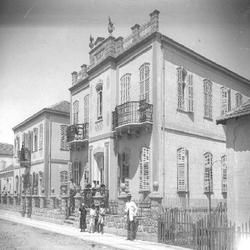
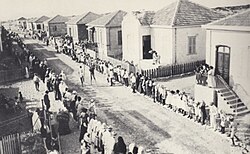
Tel Aviv was founded in 1909 as a suburb of Jaffa. The name was inspired by the biblical "Tel Abib" from Ezekiel 3:15 and popularized by Theodor Herzl's novel Altneuland. The city grew rapidly during the British administration (1917–1934), eventually gaining municipal independence from Jaffa in 1934.
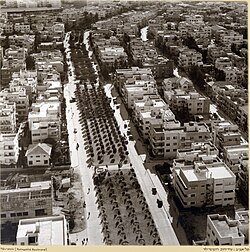
Early urban development saw the rise of streets like Yehuda Halevi and Nahalat Binyamin, which laid the groundwork for the city's commercial success.
Growth and Modernity
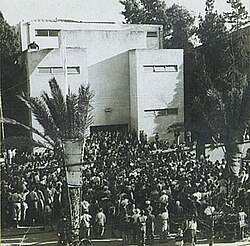
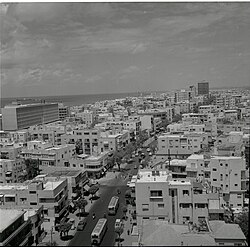
By the 1930s, the city's boundaries had expanded significantly, as shown in historical surveys of the Jaffa Municipality. Following the establishment of the State of Israel in 1948, Tel Aviv became a focal point for national governance and growth, witnessing the signing of the Declaration of Independence at Dizengoff House.
![1930 Survey of Palestine map, showing urban boundaries of Jaffa (green) and the Tel Aviv township (blue) within the Jaffa Municipality (red)[23][24]](/images/a1/4f/a14fb873601f5534bce51edd262da8fd356ea75ff445e3f0124a6b5f8c065ac3.jpg)
Architecture and the "White City"
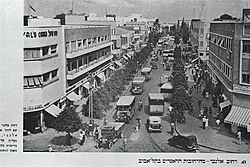
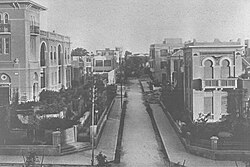
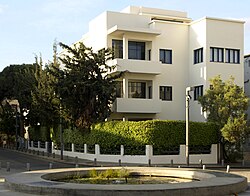
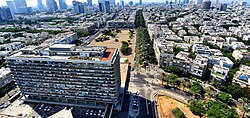
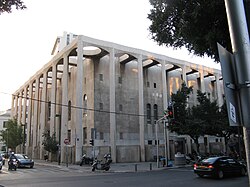
Tel Aviv is globally famous for its Bauhaus architecture—a style characterized by functionalism, flat roofs, and white facades. This concentration of Modernist buildings earned the city the nickname "The White City" and a UNESCO World Heritage designation in 2003.
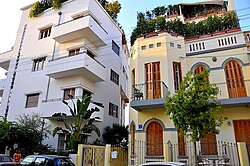
The city's aesthetic is a blend of this Bauhaus influence and the earlier Eclectic style of the 1920s. Today, this heritage is preserved in museums and throughout the residential neighborhoods of the city center.
Urban Life and Culture
Arts and Entertainment
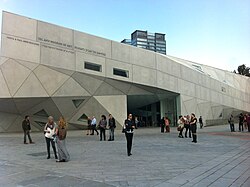
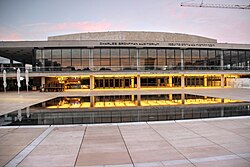
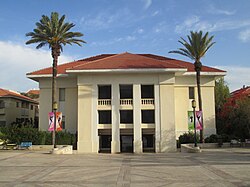
Tel Aviv is a powerhouse of performing arts and visual culture. The city hosts the Tel Aviv Museum of Art, the Heichal HaTarbut theatre (home to the Israel Philharmonic Orchestra), and the Suzanne Dellal Centre for Dance and Theatre.
LGBTQ+ Culture and Inclusivity
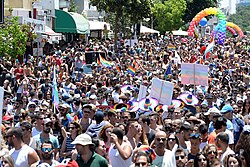
The city is widely regarded as one of the most LGBTQ-friendly cities in the world. Tel Aviv Pride is the largest annual pride parade in the Middle East, reflecting the city's commitment to diversity and openness.
Sports and Recreation
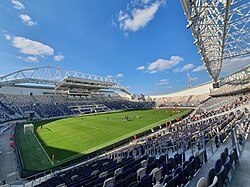
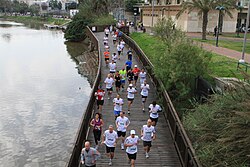
From the high-energy atmosphere of Bloomfield Stadium to the annual Tel Aviv Marathon through Yarkon Park, the city embraces an active lifestyle. Its beaches are not only popular for leisure but are also highly rated for environmental cleanliness.
![IDF soldiers cleaning the beaches at Tel Aviv, which have scored highly in environmental tests[119]](/images/51/b8/51b8aeaf92158b73d587157bd63f44fe0eb309a7a830969ec1700c0306dd46b0.jpg)
Infrastructure and Economy
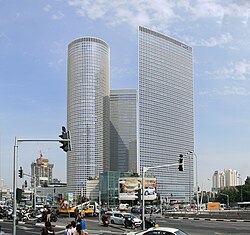
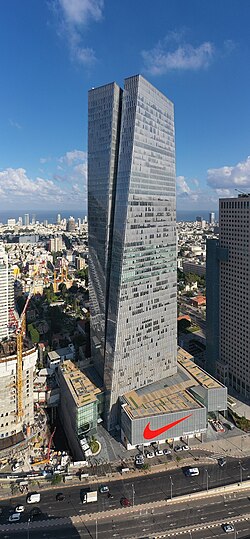
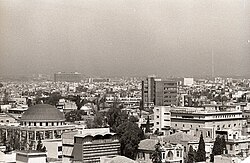
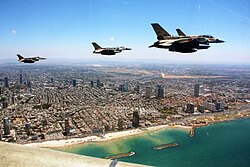
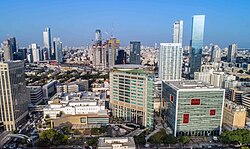
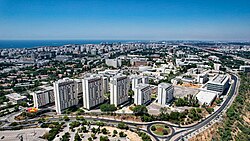
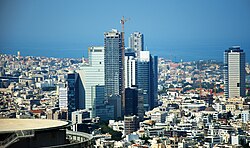
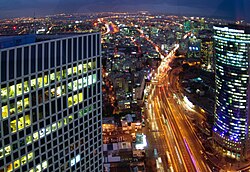
Tel Aviv's skyline is defined by modern skyscrapers, including the Azrieli Center and the Azrieli Sarona Tower, the third tallest building in Israel. The city's economy is driven by technology, finance, and tourism.
Transportation
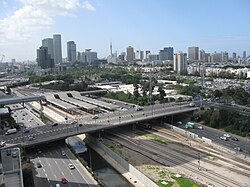
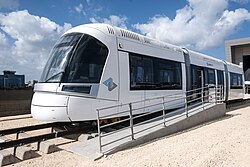
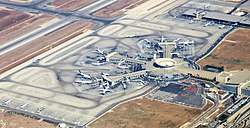
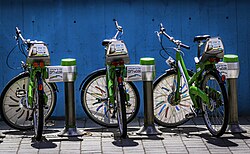
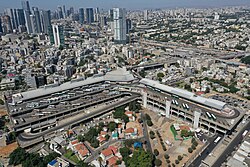
The city is well-connected via a comprehensive transport network, including the Savidor Central railway station, the Light Rail system, and the nearby Ben Gurion International Airport. For local travel, the Tel-O-Fun bicycle rental system provides an eco-friendly alternative to cars.
City Profile Summary
| Category | Detail |
|---|---|
| Official Name | Tel Aviv-Yafo |
| District | Tel Aviv |
| Metro Population | 4,156,900 |
| Metro GDP | US$ 310 billion (2022) |
| UNESCO Site | White City of Tel Aviv (Designated 2003) |
| Mayor | Ron Huldai |
Frequently Asked Questions

Why is Tel Aviv called the "White City"?
It is called the White City because of its vast collection of buildings designed in the Bauhaus style, which typically feature white facades and functionalist architecture. This area is a UNESCO World Heritage Site.
What is the significance of Jaffa in Tel Aviv?
Jaffa is one of the oldest ports in the world and predates the modern city of Tel Aviv. It is a site of immense biblical and historical importance, eventually merging with Tel Aviv to form the municipality of Tel Aviv-Yafo.
How does the city handle transportation?
Tel Aviv utilizes a multi-modal system including a Light Rail, an extensive bus network, the Savidor Central railway station, and the Tel-O-Fun bike-sharing program to manage its high urban density.
What is the climate like in Tel Aviv?
Tel Aviv has a Mediterranean climate with hot, dry summers and mild, rainy winters. Average daily maximums in July and August typically hover around 30-32°C, while winter months see more precipitation.
Is Tel Aviv a center for education and health?
Yes, the city is home to major institutions such as Tel Aviv University and the Tel Aviv Sourasky Medical Center, making it a hub for academic research and healthcare in Israel.