Taiwanese Oolong Teas
Taiwan is globally renowned for producing some of the finest oolongs (Chinese: 烏龍; pinyin: wūlóng, meaning "dark dragon"). Thanks to a unique combination of favorable climate and advanced tea technology, the island has mastered the art of semi-oxidized tea. Some connoisseurs and culinary experts have even described certain Taiwanese oolongs as the "Champagne of tea" due to their exceptional quality and distinct growing conditions.
In Taiwan, oolong is typically harvested five times per year between April and December, with the crops gathered in July and August generally receiving the highest grades.
Key Facts
- High Mountain (Gaoshan) teas are grown at altitudes of 1,000 meters or higher.
- Dong Ding oolong is characterized by charcoal roasting and a nutty, caramel flavor.
- Milk Oolong derives its natural creamy taste from the Jinxuan cultivar.
- Oriental Beauty is a "bug-bitten" tea, where insect damage triggers a unique sweet flavor.
- Tie Guanyin (Iron Goddess) in Taiwan is typically roasted longer than its mainland Chinese counterparts.
High Mountain (Gaoshan) Oolongs
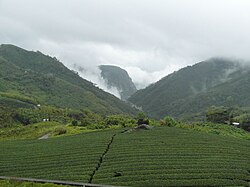
Gaoshan oolongs are grown at altitudes of 1,000 meters or above. These teas are categorized by their oxidation and roasting levels: Qingxiang (low oxidation, low roast), Beixiang (low oxidation, medium roast), and Shouxiang (heavy roast). Currently, these are the most popular oolongs in Taiwan.
Major producing regions include Alishan, Lishan, Huagang, Dayuling, Fushoushan, Hehuanshan, Yushan, Qilaishan, and Shanlinxi.
Alishan
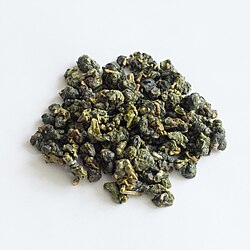
Alishan is a widely recognized name for lightly oxidized oolongs. Many are picked in winter, earning them the name "winter tea." Two primary cultivars define this region: the Jinxuan (Gold Lily), developed in the 1980s for its natural milky flavor, and the Qing Xin, prized for its floral and ripe-fruity aroma.
Lishan and Dayuling
Lishan tea is grown at altitudes exceeding 2,200 meters and was among the most expensive Taiwanese teas in the 2000s. Dayuling tea reaches even higher altitudes, above 2,500 meters. Due to limited production, Dayuling often commands high prices, ranging from US$200 to US$500 per 500 grams, which has unfortunately led to some counterfeit products in the market.
Dong Ding Oolong
Originating from the Wuyi Mountains of China and brought to Taiwan in the 19th century, Dong Ding (Icy Peak) tea is grown in Nantou County. The region's near-constant fog contributes to the tea's unique profile. Dong Ding undergoes less oxidation than most oolongs and is charcoal-roasted for 40 minutes, resulting in notes of chestnut, caramel, and nuts.
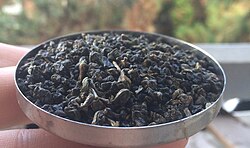
The leaves are rolled into hemispherical balls through a process of multiple kneading and post-oxidization. While fresh spring harvests are highly competitive and can fetch premium prices, aged Dong Ding is also a popular choice among enthusiasts.
Specialty Oolong Varieties
Milk Oolong (Jinxuan)
Made from the Jinxuan cultivar, Milk Oolong is named for its naturally smooth, creamy texture and milky taste, often accompanied by floral or fruity notes. While some producers may add artificial flavorings, the authentic milky aroma is a natural characteristic of the cultivar.
Pouchong (Baozhong)
Pouchong is a lightly oxidized "light oolong" with a twisted leaf shape and floral notes. It is generally not roasted and sits between green tea and traditional oolong in terms of flavor. The name "Pouchong" refers to the traditional paper wrapping used for the tea.
Bug-Bitten Oolongs
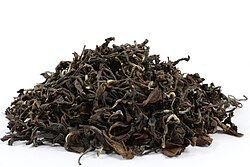
Oriental Beauty (Dongfang Meiren) is a fruity tea that gains its sweetness from a natural defense mechanism: when insects bite the leaves, the plant produces specific compounds that alter the flavor. This has encouraged organic growing practices. Another variety, Guifei (Honey Concubine), is also bug-bitten but typically undergoes a heavier roast.
Iron Goddess (Tie Guanyin)
Taiwanese Muzha Tieguanyin is processed using traditional methods that involve longer roasting than the Anxi variety from mainland China. This results in a stronger, nuttier character and a reddish-brown liquor.
Red Oolong
Red Oolong (or Gui Fei Oolong) is a modern style where leaves are rolled and crushed before fixing, leading to heavy oxidation. These tightly rolled balls produce a light reddish liquor when steeped.
Scented Oolongs
Taiwan also produces aromatic scented teas. Osmanthus oolong is roasted and scented with osmanthus flowers, often including actual blossoms in the packaging. Other popular scented varieties include Jasmine, Orange blossom, and Pomelo blossom oolongs.
| Tea Type | Key Characteristic | Flavor Profile | Notable Feature |
|---|---|---|---|
| Gaoshan | High Altitude | Fresh, Floral | Grown above 1,000m |
| Dong Ding | Charcoal Roasted | Nutty, Caramel | Hemispherical rolled leaves |
| Milk Oolong | Jinxuan Cultivar | Creamy, Smooth | Natural milky aroma |
| Oriental Beauty | Bug-Bitten | Sweet, Fruity | Insect-induced compounds |
| Tie Guanyin | Traditional Roast | Strong, Nutty | Reddish-brown liquor |
Frequently Asked Questions
What makes "bug-bitten" tea taste different?
When insects bite the leaves of varieties like Oriental Beauty, the tea plant produces different chemical compounds as a self-defense mechanism, which results in a unique, natural sweetness.
Is the milk flavor in Milk Oolong added artificially?
In authentic Jinxuan oolongs, the milky taste and creamy texture are natural characteristics of the cultivar. However, some producers may add artificial scents, a practice generally discouraged by tea enthusiasts.
How does Taiwanese Tie Guanyin differ from the mainland version?
Taiwanese Muzha Tieguanyin is typically roasted longer than the Anxi variety from mainland China, giving it a stronger taste, a nuttier character, and a darker reddish-brown color.
What is the difference between Qingxiang and Shouxiang oolongs?
Qingxiang oolongs are processed with low oxidation and a low roast, resulting in a fresher profile, while Shouxiang oolongs undergo a heavy roast for a deeper, more toasted flavor.
Why is Dayuling tea so expensive?
Dayuling tea is grown at extreme altitudes (above 2,500 meters), which limits production and increases the rarity and value of the harvest.