Tahpanhes: The Ancient Fort and Pottery of Qasr Bint al-Yahudi
The archaeological site of Tahpanhes represents a fascinating intersection of Egyptian, Ionian, and Phoenician cultures. Known locally as Qasr Bint al-Yahudi (the "Castle of the Jew's Daughter"), this site provides critical insights into the geopolitical and artistic landscape of the ancient Mediterranean during the first millennium BC.
The Discovery of Qasr Bint al-Yahudi
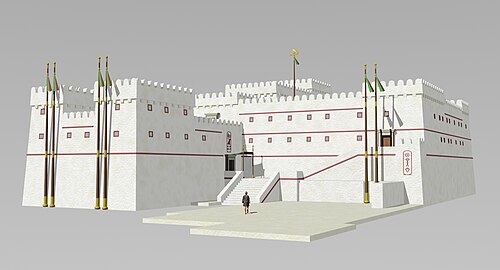
The site was brought to light in 1886 by the pioneering archaeologist Sir William Matthew Flinders Petrie. Upon exploration, Petrie uncovered a massive fort and a surrounding enclosure, signaling the importance of the location as a strategic military or administrative outpost.
Chronology and Artistic Significance
While the architecture is imposing, the most significant finds were numerous pottery fragments. These shards are vital for establishing the chronology of vase-painting, as they help date the transition of artistic styles in the region.
The pottery is attributed to the period between the reigns of the 26th Dynasty pharaohs Psamtik I and Amasis II. This places the artifacts at the end of the 7th century or the beginning of the 6th century BC. Interestingly, while the fragments exhibit the characteristics of Ionian art (a style originating from the coast of Asia Minor), their specific shapes and technical details indicate they were manufactured locally.
Cultural Connections and Biblical Links
The historical identity of the city is further illuminated by the Phoenician Saqqara letter (KAI 50), a document that confirms the presence of Phoenicians living within the city. This suggests Tahpanhes was a cosmopolitan hub of trade and diplomacy.
Beyond the archaeological record, Egyptologist Noël Aimé-Giron has proposed a connection between Tahpanhes and the biblical location of Baal-zephon. According to the Hebrew Bible in the Book of Exodus, Baal-zephon was the site where the Israelites camped during their flight from Egypt before crossing the Red Sea.
Key Facts
- Discovered by: Sir William Matthew Flinders Petrie in 1886.
- Local Name: Qasr Bint al-Yahudi ("Castle of the Jew's Daughter").
- Dating: Late 7th to early 6th century BC (26th Dynasty).
- Key Pharaohs: Psamtik I and Amasis II.
- Artistic Style: Local manufacture influenced by Ionian art.
- Cultural Ties: Evidence of Phoenician residency via the Saqqara letter.
| Category | Details |
|---|---|
| Primary Structures | Massive fort and enclosure |
| Key Artifacts | Ionian-style pottery fragments |
| Historical Period | 26th Dynasty (Psamtik I to Amasis II) |
| Proposed Biblical Site | Baal-zephon |
Frequently Asked Questions
Who discovered the site of Qasr Bint al-Yahudi?
The site was discovered in 1886 by Sir William Matthew Flinders Petrie.
What is the significance of the pottery found at the site?
The pottery fragments are crucial for the chronology of vase-painting, showing a blend of Ionian artistic characteristics with local Egyptian manufacturing techniques.
Which pharaohs are associated with the timing of these finds?
The artifacts date to the period between the reigns of Psamtik I and Amasis II of the 26th Dynasty.
Is there evidence of other nationalities living in Tahpanhes?
Yes, the Phoenician Saqqara letter indicates that Phoenicians resided in the city.
How does Tahpanhes relate to the Bible?
Egyptologist Noël Aimé-Giron proposed that Tahpanhes is the same location as Baal-zephon, where the Israelites camped before crossing the Red Sea.