Synth-pop: The Evolution of Electronic Sound and Style
Synth-pop, short for synthesizer pop (and occasionally referred to as techno-pop), is a music genre that redefined the sonic landscape of the late 20th century. Characterized by the synthesizer as the dominant musical instrument, the genre shifted the focus of popular music from traditional guitar-driven arrangements to electronic textures and programmed beats.
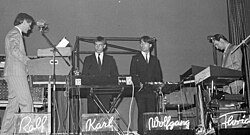
While it reached its commercial zenith in the early 1980s, the roots of synth-pop stretch back to the 1960s and 70s. It was prefigured by the experimental use of electronics in progressive rock, art rock, disco, and specifically the Krautrock (an experimental German rock movement) of pioneering bands like Kraftwerk.
Key Facts
- Primary Instrument: The electronic synthesizer is the central element of the sound.
- Origins: Emerged between 1977 and 1980 primarily in Germany, Japan, and the United Kingdom.
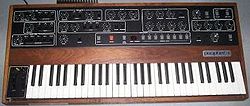
- Technological Drivers: The rise of inexpensive polyphonic synthesizers (capable of playing multiple notes at once) and the standardization of MIDI (Musical Instrument Digital Interface) made the sound more accessible.
- Cultural Impact: Closely linked to the New Romantic movement and the rise of MTV, fueling the Second British Invasion in the US.
The Origins of the Electronic Sound
The transition from experimental noise to pop music began in the mid-1960s when synthesizers became practical for recording studio use. By the mid-1970s, electronic art musicians were pushing the boundaries of the medium. In the UK, the post-punk era and the broader new wave movement provided the perfect cultural vacuum for synth-pop to emerge as a distinct genre.
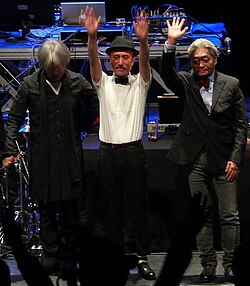
In Japan, the band Yellow Magic Orchestra (YMO) played a pivotal role by introducing the TR-808 rhythm machine to popular music. Their melody-driven, "breezy" sound became a significant influence on early British acts.
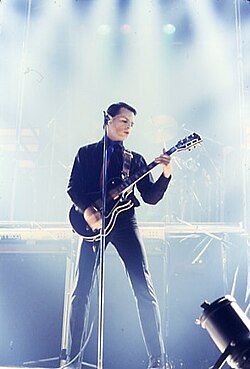
The commercial breakthrough arrived in 1979 with Gary Numan, whose success in the UK Singles Chart signaled a shift in public taste toward synthesizer-based compositions.
Commercial Peak and the Golden Era (1981–1985)
Synth-pop hit its stride in the winter of 1981–1982. During this period, the charts were dominated by acts such as OMD, Japan, Ultravox, Soft Cell, Depeche Mode, and Yazoo. The dominance of the sound was so absolute that the Musicians' Union attempted to limit the use of synthesizers in early 1982.
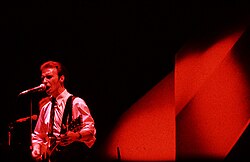
The era was defined by massive hits, including The Human League's "Don't You Want Me" and Soft Cell's "Tainted Love," both of which were top-selling singles in the UK in 1981. As the genre evolved, artists like ABC and Heaven 17 began blending electronic sounds with funk and soul, while others like Tears for Fears and Thomas Dolby expanded the genre's songwriting complexity.
The Role of Visuals and Fashion
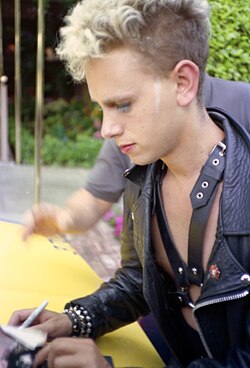
The rise of MTV allowed synth-pop to become a visual phenomenon. Style-conscious acts from the New Romantic movement utilized the medium to project futuristic and avant-garde images. This often included gender-bending fashions, as seen in the style of Depeche Mode's Martin Gore, which occasionally drew criticism from traditionalists.
Evolution, Decline, and Modern Revival
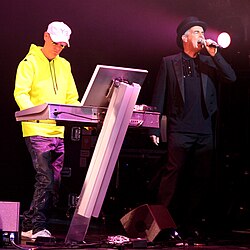
By the mid-to-late 1980s, the genre branched into different directions. Duos like Erasure and the Pet Shop Boys found significant success on US dance charts. However, by the end of the decade, the polished sound of bands like A-ha and Alphaville began to give way to the emerging sounds of house music and techno.
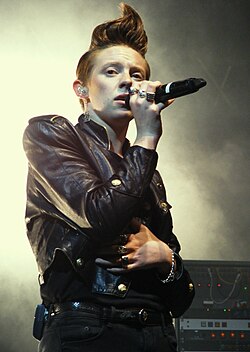
Despite a dip in mainstream popularity between 1986 and 2000, synth-pop saw a resurgence through the indietronica and electroclash movements of the late 1990s. In the 21st century, the genre has enjoyed a widespread commercial revival, influencing modern pop stars like Dua Lipa and The Weeknd, and continuing through subgenres like synthwave and chillwave.
Genre Summary and Influence
| Category | Details |
|---|---|
| Stylistic Origins | Electronic, Pop, Avant-garde, Disco, New Wave, Progressive Rock, Krautrock, Glam Rock, Eurodisco, Art Pop |
| Derivative Forms | Electropop, Dance-pop, House, Italo Disco, Electro, Techno, Futurepop, Chillwave |
| Key Technologies | Polyphonic Synthesizers, TR-808 Rhythm Machine, MIDI |
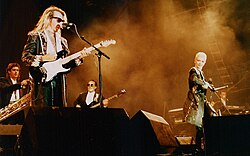
| Key Figures | Kraftwerk, Yellow Magic Orchestra, Gary Numan, Trevor Horn, Eurythmics |
Frequently Asked Questions
What is the difference between synth-pop and electropop?
While the terms are often used interchangeably, electropop is sometimes used to describe a variant of synth-pop that emphasizes a harder, more explicitly electronic sound.
How did the TR-808 influence the genre?
Introduced to popular music by Yellow Magic Orchestra, the TR-808 rhythm machine provided the programmed percussion and dance beats that became foundational to the synth-pop sound.
What was the "Second British Invasion"?
This refers to the period in the early 1980s when a large number of British synth-pop and new wave acts achieved massive commercial success in the United States, aided by the rise of MTV.
Why did the Musicians' Union oppose synthesizers?
In early 1982, synthesizers became so dominant in music production that the Musicians' Union attempted to limit their use, fearing they would replace human instrumentalists in recording studios.
Which bands are considered the precursors to synth-pop?
Kraftwerk is one of the most significant precursors, along with artists from the progressive rock, art rock, and disco scenes of the 1960s and 70s.