Surinamese Cuisine: A Global Fusion of Flavors
Surinamese cuisine is a vibrant reflection of the country's diverse demographic history. Because the population of Suriname originated from a wide array of nations, the local food culture has evolved into an extensive blend of international influences. This culinary melting pot integrates traditions from Indian and South Asian, West African, Creole, Indonesian (specifically Javanese), Chinese, Dutch, British, French, Jewish, Portuguese, and Amerindian cuisines.
This intersection of cultures has led to a unique gastronomic landscape where different ethnic groups influenced one another's ingredients and cooking methods, resulting in a rich variety of signature dishes that define the Surinamese identity.
Key Facts
- Multicultural Origin: A fusion of over ten different international culinary traditions.
- Staple Ingredients: Rice, roti, and root plants such as tayer and cassava.
- Signature Heat: The Madame Jeanette pepper is the primary source of spicy flavor.
- Common Proteins: Chicken, salted meat, and stockfish (known as bakkeljauw).
- Key Vegetables: Okra, eggplant, and yardlong beans.
Traditional Main Dishes and Staples
The foundation of many Surinamese meals consists of rice, roti, and tubers like cassava and tayer. Chicken is a versatile protein appearing in various forms, from the Indian-style chicken curry to the Chinese-influenced snesi foroe (a traditional stew).
One of the most iconic party dishes is pom, a savory casserole of Creole origin. Another festive favorite is roti, which is frequently served to large groups of guests and typically filled with chicken curry, potatoes, and assorted vegetables.
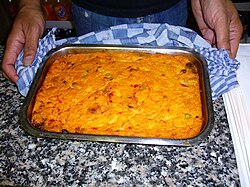
Other notable savory dishes include:
- Moksi meti: A mixed meat dish.
- Moksi-alesi: Mixed boiled rice prepared with salted meat, shrimp or fish, and vegetables.
- Bakkeljauw: Salted stockfish, often served as a filling in buns (broodje).
- Losi foroe: A traditional stew.
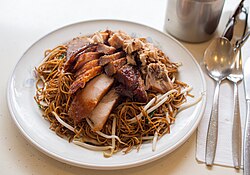
- Javanese Classics: Nasi goreng (fried rice) and mie goreng (fried noodles).
- Street Food and Sides: Bara (savory fried dough) and battered fried plantains.
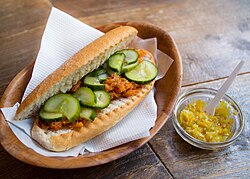
For those seeking a variety of meats and flavors in one serving, moksi meti offers a comprehensive taste of the region's preferences.
Sweet Treats and Desserts
The sweetness of Surinamese cuisine is often derived from coconut and tropical roots. Boyo is a popular sweet cake crafted from coconut and cassava. For more decadent occasions, fiadu is served, which is a rich cake containing almonds, currants, raisins, and succade (candied citrus peel).
Additionally, maizena koek are light, vanilla-flavored cookies made using cornstarch.
Surinamese Culinary Summary
| Category | Examples / Ingredients |
|---|---|
| Staples | Rice, Roti, Cassava, Tayer |
| Signature Dishes | Pom, Moksi-alesi, Nasi goreng, Bami, Snesi foroe |
| Proteins | Chicken, Salted meat, Bakkeljauw (Stockfish) |
| Vegetables | Yardlong beans, Okra, Eggplant |
| Desserts | Boyo, Fiadu, Maizena koek |
| Spices | Madame Jeanette peppers |
Frequently Asked Questions
What makes Surinamese cuisine unique?
Its uniqueness stems from the fusion of numerous international influences, including South Asian, Javanese, Creole, and West African traditions, creating a diverse array of flavors and ingredients.
What is pom?
Pom is a very popular casserole of Creole origin, frequently served as a centerpiece dish during parties and celebrations.
What is bakkeljauw?
Bakkeljauw is the Surinamese term for salted stockfish, which is widely used in various dishes and often served in buns.
Which pepper is used for spice in Suriname?
The Madame Jeanette pepper is used to provide a spicy taste to Surinamese dishes.
What are some traditional Surinamese desserts?
Traditional desserts include boyo (coconut and cassava cake), fiadu (a cake with dried fruits and almonds), and maizena koek (vanilla cornstarch cookies).