Sui Generis: The Architects of Argentine Folk-Rock
In the early 1970s, a musical phenomenon emerged from Buenos Aires that would redefine the cultural landscape of Argentina and South America. Sui Generis, led by the creative partnership of Charly García and Nito Mestre, blended poetic lyricism with a evolving sound that resonated deeply with a generation of youth. From simple acoustic melodies to complex symphonic arrangements, the band captured the spirit of adolescence and the tensions of a changing society.
Key Facts
- Origin: Buenos Aires, Argentina.
- Core Members: Charly García and Nito Mestre.
- Primary Genres: Folk-rock, progressive rock, and folk-pop.
- Active Period: Primarily 1971–1975, with sporadic reunions in 1980 and 2001.
- Defining Moment: Their 1975 farewell concert at Luna Park Stadium for 20,000 people.
The Formation and Early Years
Sui Generis was born in 1969 from the merger of two bands: To Walk Spanish, led by Charly García, and The Century Indignation, led by Nito Mestre. While the group initially experimented with psychedelic music, they eventually pivoted toward a refined folk-rock sound. A pivotal moment occurred during their first major performance when only García and Mestre appeared on stage. Despite the absence of the other members, the duo's chemistry—García on piano and Mestre on flute—captivated the audience, leading them to continue as a duet.
The band's early trajectory was interrupted when Charly García had to fulfill his mandatory military service. During this period, García's struggle with the rigid military environment led to several outrageous stunts and a hospitalization following a faked heart attack. It was during this recovery that he composed two of the band's most enduring tracks: "Botas Locas" and "Canción para mi muerte." Upon his release due to mental health problems, the band entered its most commercially successful era.
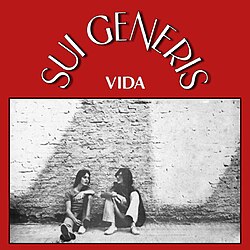
In 1972, they released their debut LP, Vida (Life), which became an instant anthem for Argentine teenagers. This was followed in 1973 by Confesiones de Invierno (Winter Confessions), an album that benefited from higher production values and further cemented their popularity.
Evolution and Political Tension
By 1974, Charly García sought to move beyond the "piano and flute" sound. He transitioned the band toward a traditional rock setup by recruiting drummer Juan Rodríguez and bassist Rinaldo Rafanelli. This shift resulted in the album Pequeñas Anécdotas sobre las Instituciones (Little Anecdotes about the Institutions), a work designed to critique the unstable social and political structures of Argentina, including the Church, the government, and the military.
However, the political climate of the time led to heavy censorship. The record label removed songs like "Juan Represión" and "Botas Locas" due to their references to military dictators and the army. Other tracks regarding censorship and the judiciary were either modified or completely rewritten. Despite the artistic maturity of the project, the public largely rejected the shift in style, preferring the band's original folk-rock sound.
The Final Act and Legacy
By 1975, internal conflicts grew. Nito Mestre was less enthusiastic about the new direction, and the public remained resistant to the new members. García began working on a project titled Há sido (Has been)—a pun on ácido (acid), referencing LSD—which focused on psychedelic themes. Although the album was never officially recorded, songs like "Bubulina" and "Eiti Leda" made it into their final performances.
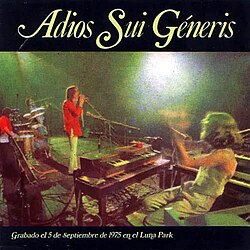
On September 5, 1975, Sui Generis performed a historic farewell at the Luna Park Stadium. The two shows drew 20,000 people, marking the largest event in the history of Argentine rock at that time. The experience was captured in the double LP Adiós Sui Generis.
Following the breakup, the members pursued various projects, including the 1976 collaborative LP Porsuigieco with León Gieco and Raúl Porchetto. While the band has reunited for sporadic concerts in 1980 and 2001, they have not permanently reformed.
Sui Generis Summary
| Category | Details |
|---|---|
| Core Duo | Charly García & Nito Mestre |
| Key Studio Albums | Vida, Confesiones de invierno, Pequeñas anécdotas sobre las instituciones |
| Musical Transition | Folk-rock $\rightarrow$ Progressive/Symphonic Rock |
| Farewell Event | Luna Park Stadium, Sept 5, 1975 |
| Notable Collaborations | León Gieco and Raúl Porchetto (Porsuigieco) |
Frequently Asked Questions
Why did Sui Generis change their sound in 1974?
Charly García became dissatisfied with the limited "piano and flute" arrangement and wanted to pursue a more traditional rock sound featuring bass and drums to achieve a more mature, symphonic feel.
How did political censorship affect their music?
During the recording of Pequeñas Anécdotas sobre las Instituciones, several songs critiquing the military, the police, and the judicial system were either removed or rewritten by the label to avoid political violence.
What is the significance of the album "Vida"?
Released in 1972, Vida was the band's first LP and became an immediate success, particularly among teenagers, establishing the band as a cultural staple in Argentina.
What happened to the planned album "Há sido"?
The album was never recorded due to internal conflicts and the band's impending breakup, though some of its psychedelic-themed songs were performed during their farewell concerts.
Was the band ever permanently reformed?
No. While they performed sporadic concerts in 1980 and 2001, there has been no permanent reformation of the group since their official split in 1975.