Sugar Bowl: A Legacy of College Football Excellence in New Orleans
The Sugar Bowl, currently known as the Allstate Sugar Bowl, stands as one of the most prestigious traditions in American collegiate sports. Since its inception in 1935, this New Orleans-based spectacle has evolved from a regional showcase into a cornerstone of the national championship landscape. Known for its high-stakes matchups and deep historical roots, the game continues to draw the finest athletes and most passionate fans from across the United States.
For decades, the game has been synonymous with the city of New Orleans, primarily calling the Caesars Superdome home. While it has faced temporary relocations—such as a 2006 game held at the Georgia Dome in Atlanta—the event remains a vital part of the city's cultural and sporting identity.
Key Facts
- Established: 1935
- Primary Venue: Caesars Superdome, New Orleans, Louisiana
- Current Sponsor: Allstate Insurance (since 2007)
- Championship Affiliation: College Football Playoff (CFP) since 2014
- Conference Tie-ins: Southeastern Conference (SEC) and Big 12
- Payout: US$ 17 million per team (as of 2014)
Evolution of the Game
The Sugar Bowl has transitioned through several organizational eras to determine the best teams in the country. From 1992 to 1994, it was part of the Bowl Coalition, followed by the Bowl Alliance (1995–1997), and the Bowl Championship Series (BCS) from 1998 to 2013.
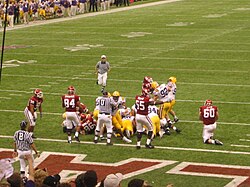
In 2014, the game joined the "New Year's Six," a group of elite bowls integrated into the College Football Playoff (CFP). Within this system, the Sugar Bowl has served as a critical semifinal game in 2015, 2018, and 2021. When not acting as a semifinal, the game typically features the top available teams from the SEC and Big 12 conferences.
Venue History and Transitions
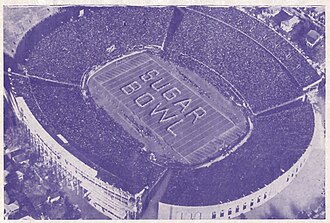
The game's physical home has mirrored the growth of the sport. From 1934 to 1974, the event was hosted at Tulane Stadium. The transition to the Louisiana Superdome (now the Caesars Superdome) allowed for significantly larger crowds and modernized facilities.
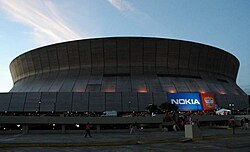
Despite its stability in New Orleans, the bowl has adapted to extraordinary circumstances. In 2006, the game was moved to the Georgia Dome in Atlanta. More recently, the 2025 game was shifted from January 1 to January 2 due to security concerns following the 2025 New Orleans truck attack.
Honors and Records
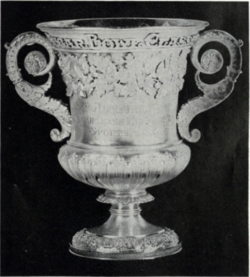
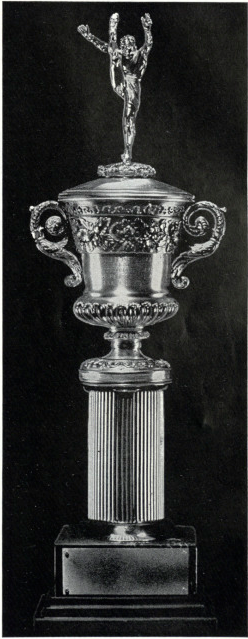
The Miller-Digby Award is presented to the Most Outstanding Player (MOP) of the game. This honor has been bestowed upon some of the greatest names in football history, including Herschel Walker (1981), Bo Jackson (1984), and Dan Marino (1982).
Statistically, the game has seen incredible feats of athleticism. The highest score by a single team was 52 points, achieved by Florida against Florida State in 1997. On the defensive side, the record for the fewest yards allowed belongs to Ole Miss, who held LSU to just 74 total yards in 1960.
Sugar Bowl Summary Table
| Category | Details |
|---|---|
| Current Stadium | Caesars Superdome |
| Previous Stadium | Tulane Stadium (1934–1974) |
| Major Sponsors | USF&G (1988–1995), Nokia (1996–2006), Allstate (2007–Present) |
| Most Appearances | Alabama (17 appearances) |
| Conference Dominance | SEC (84 games played) |
Frequently Asked Questions
Which team has appeared in the Sugar Bowl the most?
Alabama holds the record for the most appearances with 17 games, maintaining a record of 10 wins and 7 losses.
What is the Miller-Digby Award?
The Miller-Digby Award is the trophy given to the Most Outstanding Player (MOP) of the Sugar Bowl game.
How does the Sugar Bowl fit into the College Football Playoff?
Since 2014, the Sugar Bowl has been one of the "New Year's Six" bowls. It serves as a CFP semifinal in specific years; otherwise, it hosts top teams from the SEC and Big 12.
Where was the Sugar Bowl played before the Superdome?
From 1934 until 1974, the Sugar Bowl was played at Tulane Stadium in New Orleans.
Who holds the record for most passing yards in a single game?
Tim Tebow of Florida holds the record with 482 passing yards, achieved during the 2010 game against Cincinnati.