Stonor House: Eight Centuries of Family Heritage and Faith
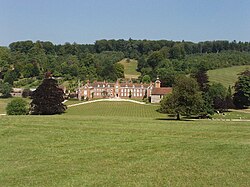
For more than eight hundred years, Stonor House has served as the ancestral seat of the Stonor family. This historic residence is not merely a collection of architecture and art, but a testament to endurance and steadfast belief. Today, the house remains a treasure trove of family history, featuring an extensive collection of portraits, tapestries, bronzes, and ceramics.
One of the most significant architectural features of the estate is its private chapel. Dating back to the 12th century, the chapel is constructed from flint and stone and is distinguished by an early brick tower.
The Origins of the Estate
The construction of the house likely began after 1280, following the marriage of Sir Richard Stonor (1250–1314) to his second wife, Margaret Harnhull. This established the foundation for a residence that would weather centuries of political and religious upheaval.
Faith and Resistance During the Reformation
During and after the English Reformation, the Stonor family became recusants—individuals who refused to attend the services of the Church of England, remaining loyal to the Roman Catholic faith. This commitment turned Stonor Park into a clandestine hub for Catholic activity.
In 1581, the estate provided sanctuary to Jesuit priests Edmund Campion and Robert Parsons. During their time at Stonor Park, a secret press was operated on the grounds, which was used to print Campion's Decem Rationes. However, this secrecy was short-lived; on August 4, 1581, a raid on the house uncovered the press.
While Campion and Parsons had departed days before the raid, several others were captured, including the elderly Lady Cecily Stonor, her son John, the Jesuit priest William Hartley, the printers, and four servants. By 1585, Father Hartley was exiled.
A Sanctuary for the Community
Despite facing continuous prosecutions and heavy fines throughout the 17th and 18th centuries, the Stonors never abandoned their faith. Their resilience extended beyond their own family; they allowed local villagers to attend Mass in their private chapel, enabling many in the community to remain Roman Catholic.
The estate's importance to the church continued into the 18th century. Between 1716 and 1756, John Talbot Stonor, the Vicar Apostolic of the Midland District, utilized Stonor Park as his official headquarters.
The Legacy of Preservation
The family's unwavering adherence to Catholicism led to their social marginalization and relative impoverishment in the centuries that followed. Paradoxically, this lack of wealth served as a preservative. Because the family could not afford extensive modernizations, the house has remained in a relatively unspoiled and unimproved state, offering a rare glimpse into the past.
Key Facts
- Family Tenure: Home to the Stonor family for over 800 years.
- Construction: Likely started after 1280 by Sir Richard Stonor.
- Religious Significance: A center for recusancy and a sanctuary for Jesuit priests.
- Architectural Highlight: A 12th-century flint and stone private chapel.
- Historical Event: The discovery of a secret press used by Edmund Campion in 1581.
| Period/Date | Key Figure/Event | Significance |
|---|---|---|
| Post-1280 | Sir Richard Stonor | Probable beginning of the house construction. |
| 1581 | Edmund Campion & Robert Parsons | Secret printing of Decem Rationes and subsequent raid. |
| 1585 | William Hartley | Exile of the Jesuit priest following the 1581 raid. |
| 1716–1756 | John Talbot Stonor | Used the park as headquarters for the Vicar Apostolic of the Midland District. |
Frequently Asked Questions
What is a recusant?
A recusant was a person who refused to attend the services of the Church of England during the English Reformation, typically remaining loyal to the Roman Catholic Church.
Who were Edmund Campion and Robert Parsons?
They were Jesuit priests who lived and worked at Stonor Park in 1581, using a secret press to print religious texts.
Why is Stonor House described as "unspoiled"?
Because the family's adherence to Catholicism led to relative impoverishment, they did not perform the extensive renovations or "improvements" common in other manor houses, preserving its original character.
What is the significance of the private chapel?
Built in the 12th century from flint and stone, the chapel allowed the Stonor family and local villagers to continue practicing the Catholic Mass in secret during times of persecution.
When was the secret press discovered?
The press was discovered during a raid on the house on August 4, 1581.