Spirit Houses: Regional Traditions Across Asia
Across the diverse landscapes of Asia, the practice of maintaining spirit houses—small shrines dedicated to guardian deities, ancestors, and nature spirits—serves as a bridge between the physical and spiritual worlds. These structures are not merely decorative; they are functional spaces designed to appease spirits, ensure protection, and maintain cosmic harmony within a community or household.
Spirit Houses in Southeast Asia
In mainland Southeast Asia, spirit houses are common fixtures for both residential homes and commercial businesses. These shrines are typically placed in an auspicious spot, often a corner of the property, to ensure positive energy. In many cases, the exact placement is determined through consultation with a Brahmin priest.
The terminology for these structures varies by language and culture:
- Burmese: Known as nat sin or nat kun.
- Thai: Called san phra phum, which translates to "house of the guardian spirit."
- Khmer: Referred to as rean preah phum ("shrine for the guardian-spirit") or rean taveda.
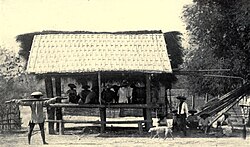
In maritime Southeast Asia, particularly the Philippines, spirit houses are deeply integrated into animistic rituals. These shrines are dedicated to the anito (ancestral or nature spirits). Depending on the ethnic group and the size of the structure, the names differ significantly:
- Visayan: magdantang.
- Tagalog: ulango or simbahan.
- Itneg: Small roofed altars are called tangpap, pangkew, or alalot, while larger structures are known as balaua or kalangan.
- Subanen: maligai.
- Tiruray: tenin.
- Bagobo: buis (located near roads and villages) and parabunnian (located near rice fields).
East Asian Traditions
In Chinese culture, spirit houses are known as Tudigong Houses (土地神屋). These structures represent a connection to the Earth Temple, which is dedicated to a Tudigong or dizhu shen, the local deity of the earth and soil.
South Asian Shrines and Sacred Groves
Tamil Nadu and the Katu
In Tamil Nadu, spirit houses are dedicated to tutelary spirits (guardian deities of a particular place), deified ancestors, and heroes such as Madurai Veeran, Karuppuswami, or Aiyanar. These shrines are rooted in ancient Dravidian animistic beliefs.
Unlike household shrines, these are often located on the village periphery, known as the katu. This placement stems from the belief that these spirits are too unpredictable and dangerous to reside within the village, where the noise of daily life might disturb them. To ensure the village's safety, offerings of meat, alcohol, oil lamps, coconuts, and bananas are provided. This practice differs from Vedic Hindu traditions, which typically restrict offerings to vegetarian foods.
Due to the history of the British Raj and the resulting indenture system, these Tamil shrines have spread globally through the Indian diaspora.
The Kavu of Kerala
In Kerala, families of the Nair and Ezhava communities maintain a tharavadu (family home complex) with a spirit house located in the northeast corner. These are known as kavu or sarpa kavukal.
A kavu is typically a small grove containing symbolic houses and carved stone effigies of nagas (serpent deities), ancestors, spirits, or yakshi. Maintenance of these groves is believed to keep tutelary spirits docile and serve as atonement for neglected serpent gods. Common offerings include:
- Raw rice and unbroken coconuts.
- Betel leaves and areca nut.
- Oil lamps lit at dusk.
Some kavu are used for pampin kalam, shamanistic rituals where mediums channel deities and perform rites around mandalas drawn with colored powder.
Key Facts
- Purpose: Spirit houses are used to house guardian deities, appease unpredictable spirits, and honor ancestors.
- Placement: Locations range from auspicious corners of private property (Southeast Asia) to village peripheries (Tamil Nadu) and northeast corners of family complexes (Kerala).
- Offerings: Vary from vegetarian items and oil lamps to meat and alcohol in Dravidian traditions.
- Cultural Reach: Traditions span from the Tudigong houses of China to the anito shrines of the Philippines and the kavu of India.
| Region | Local Term(s) | Primary Focus | Typical Location |
|---|---|---|---|
| Mainland SE Asia | San Phra Phum, Nat Sin | Guardian Spirits | Auspicious property corners |
| Philippines | Anito shrines (e.g., Balaua) | Anito spirits | Villages, roads, or rice fields |
| China | Tudigong Houses | Earth Deities | Earth Temples/Local sites |
| Tamil Nadu | Katu shrines | Deified heroes/Ancestors | Village periphery |
| Kerala | Kavu / Sarpa Kavukal | Nagas and ancestors | Northeast corner of tharavadu |
Frequently Asked Questions
Why are spirit houses placed on the edge of villages in Tamil Nadu?
They are placed in the "katu" (periphery) because the spirits are believed to be too dangerous and unpredictable to live inside the village, and they may be disturbed by the sounds of everyday village life.
What is the difference between Vedic Hindu offerings and those in Tamil spirit houses?
Vedic Hindu practices generally offer only vegetarian foods to deities, whereas Tamil spirit houses often include offerings of meat and alcohol to ensure the health and safety of the village.
What are the anito in Philippine tradition?
Anito are spirits—often ancestral or nature-based—to whom spirit houses (shrines) are dedicated for ceremonies and offerings.
What happens during a pampin kalam ritual in Kerala?
During these shamanistic rituals, mediums channel deities and perform sacred rites around mandalas that have been hand-drawn using colored powder.
How is the location of a spirit house determined in mainland Southeast Asia?
The location is chosen to be in an auspicious spot, often a corner of the property, and is frequently decided after consulting with a Brahmin priest.