Exploring Southern California: A Comprehensive Guide to the Region
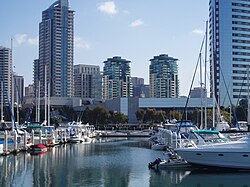
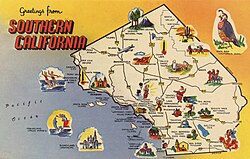
Southern California is a vast and diverse region located in the southwestern United States, encompassing a massive landscape of coastal cities, rugged mountains, and expansive deserts. Known for its iconic culture and economic power, the region is composed of ten distinct counties and serves as a global hub for entertainment, technology, and commerce.
With a total area of approximately 56,505 square miles and a population exceeding 23.7 million as of 2020, Southern California is a massive metropolitan engine. Its economy is formidable, boasting a 2022 GDP of $1.95 trillion.
Key Facts

- Total Population: 23,762,904 (2020 Census)
- Total Area: 56,505 sq mi (146,350 km²)
- Largest City: Los Angeles
- Total GDP: $1.95 trillion (2022)
- Major Counties: Los Angeles, San Diego, Orange, Riverside, San Bernardino, Kern, Ventura, Santa Barbara, San Luis Obispo, and Imperial.
Geography and Natural Landscapes
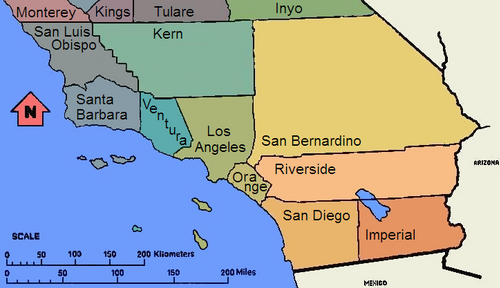
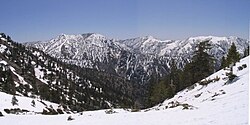
The geography of Southern California is defined by its extreme variety. From the Pacific coastline to the high deserts, the terrain offers everything from lush valleys to arid plains. The region is home to several major mountain ranges, including the San Gabriel, San Bernardino, and Santa Ana mountains, as well as the Sierra Nevada reaching into Kern County.
![The Tehachapi and Sierra mountains formed a significant barrier to human travel before highways were built,[17] and continue to affect weather, plants and animals.](/images/bd/88/bd88ae77ef32ecd5b99fefaeb9b34067d5b275e44a30479fe11b420ee0e8f2c3.png)
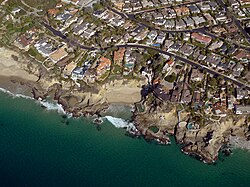
Water features are equally diverse. The region contains significant lakes such as Big Bear Lake, Lake Arrowhead, and Lake Elsinore, alongside major river systems like the Colorado River and the Los Angeles River. The coastline is a major draw, featuring famous spots like La Jolla Cove and the Channel Islands.

Deserts and Valleys
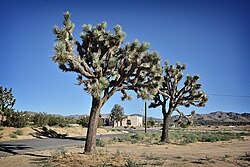
Moving inland, the landscape shifts into the Mojave and Colorado Deserts. These areas include famous landmarks such as Joshua Tree National Park and Death Valley National Park. The region also features significant valleys, including the Coachella Valley, San Fernando Valley, and the Imperial Valley.
Geology and Seismic Activity
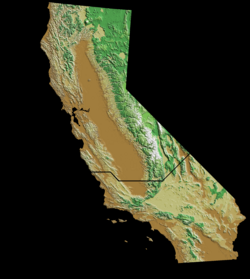
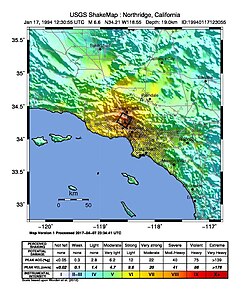
Southern California is geologically active, primarily due to its location near major fault zones. The most notable of these is the San Andreas Fault, which runs through many of the region's counties. Other significant fault zones include the Newport–Inglewood, San Jacinto, and Elsinore fault zones.
This geological activity has resulted in a history of notable earthquakes, including the 1994 Northridge earthquake and the 1971 San Fernando earthquake. Understanding these seismic patterns is a critical part of living in and managing the region's infrastructure.
Urban Life and Economy
![Percentage of households with incomes above $150,000[when?] across LA County census tracts](/images/06/f0/06f00dcf6d740bb96d2c7d943d6a4c504396149296a9f6fca1f8a8d8e48c3677.png)
The urban landscape of Southern California is characterized by massive metropolitan areas, most notably the Los Angeles–Long Beach–Santa Ana area, which is the second largest in the United States. The region is a global leader in various industries, including entertainment, aerospace, and agriculture.
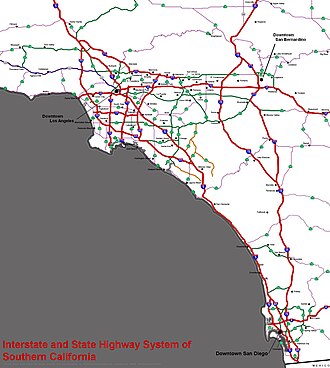
The economy is supported by a massive transportation network. Major airports like Los Angeles International (LAX) and San Diego International (SAN) handle millions of passengers annually. The region is also interconnected by an extensive system of interstates, such as I-5 and I-10, and various public transit authorities like Metrolink and the Los Angeles County Metropolitan Transportation Authority.
Education and Culture
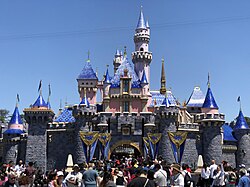
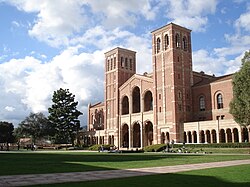
Southern California is a major center for higher education, hosting numerous prestigious public and private institutions. The University of California (UC) system has five campuses in the region, including UCLA and UC San Diego. Private institutions like the California Institute of Technology (Caltech) and the University of Southern California (USC) also play vital roles in the region's research and academic landscape.

Sports and Recreation
Sports are a cornerstone of Southern Californian culture. The region hosts professional teams across all major leagues, including the NFL (Rams, Chargers), NBA (Lakers, Clippers), MLB (Dodgers, Angels, Padres), and MLS (LA Galaxy, LAFC, San Diego FC). Beyond professional sports, the region offers vast recreational opportunities in national and state parks, such as Anza-Borrego Desert State Park and the Santa Monica Mountains National Recreation Area.
Regional Statistics Summary
| County | Population (2020) | Land Area (sq mi) | Pop. per sq mi |
|---|---|---|---|
| Los Angeles | 10,014,009 | 4,059.28 | 2,466.94 |
| San Diego | 3,298,634 | 4,210.23 | 783.48 |
| Orange | 3,186,989 | 792.84 | 4,019.71 |
| Riverside | 2,418,185 | 7,209.27 | 335.43 |
| San Bernardino | 2,181,654 | 20,068.01 | 108.71 |
| Kern | 909,235 | 8,134.65 | 111.77 |
| Ventura | 843,843 | 1,840.79 | 458.41 |
| Santa Barbara | 448,229 | 2,733.94 | 163.95 |
| San Luis Obispo | 282,424 | 3,300.85 | 85.56 |
| Imperial | 179,702 | 4,175.54 | 43.04 |
Frequently Asked Questions
What are the largest cities in Southern California?
Los Angeles is the largest city in the region. Other major urban centers include San Diego and various cities within the massive metropolitan areas of the Inland Empire and Orange County.
Which counties make up Southern California?
The region is comprised of ten counties: Imperial, Kern, Los Angeles, Orange, Riverside, San Bernardino, San Diego, San Luis Obispo, Santa Barbara, and Ventura.
What is the climate like in this region?
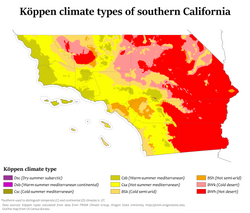
The climate varies significantly depending on the specific location, ranging from Mediterranean coastal climates to arid desert environments. The Köppen climate classifications represent these diverse zones across the region.
How is the region connected via transportation?
Southern California is highly connected through a massive network of interstates (like I-5, I-10, and I-15), major international airports (such as LAX and SAN), and various public transit systems including Metrolink and regional bus authorities.
Is Southern California prone to earthquakes?
Yes, the region is seismically active due to several major fault zones, most notably the San Andreas Fault. This history of geological activity means earthquake preparedness is a key aspect of the region.