South Gyeongsang Province: A Hub of Korean Heritage and Industry
Located in the southeast of South Korea, South Gyeongsang Province—commonly known as Gyeongnam—is a region where ancient history meets cutting-edge modern industry. From the sacred halls of UNESCO World Heritage sites to the massive shipyards and aerospace complexes that drive the national economy, Gyeongnam offers a diverse landscape of cultural depth and technological prowess.
The province is part of the larger Yeongnam region and is bordered by North Gyeongsang Province to the north and the Korea Strait to the south. Its geography is defined by the vital Nakdong River, which drains much of the province and creates fertile plains, such as the Gimhae Delta, essential for South Korea's agriculture.
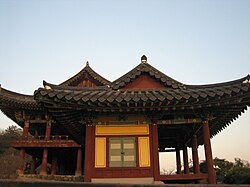
Key Facts
- Capital: Changwon
- Major Economic Drivers: Aerospace, shipbuilding, and petrochemicals
- UNESCO Site: Haeinsa Temple (home to the Tripitaka Koreana)
- Total Area: 10,533 km²
- Population: Approximately 3.45 million (as of 2018)
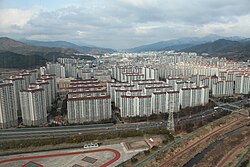
- Major Cities: Changwon, Gimhae, Jinju, and Yangsan
History and Etymology
The name Gyeongsang is derived from the names of two historic cities: Gyeongju (meaning "celebrate") and Sangju (meaning "append to"). The province's administrative roots stretch back to the Joseon dynasty. In 1407, the region was divided into two administrative districts based on the Nakdong River: Gyeongsangjwa-do (left) and Gyeongsangwu-do (right).
The modern configuration of the province emerged in 1896, following a reorganization of the Jinju and Dongnae districts. Over the 20th century, the provincial capital moved several times, eventually settling in Changwon in 1983 after previously being located in Busan.
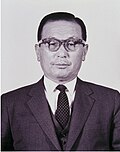
Geography and Natural Resources
Gyeongnam's terrain is a mix of rugged mountains and productive lowlands. The Taebaek Mountains reach into the eastern part of the province, while the Sobaek Mountains border the west. Notable peaks include Jirisan, Deogyusan, and Bagunsan. The central lowland area follows the Nakdong River basin, providing some of the country's best granaries.
The province is a leader in several resource sectors:
- Agriculture: The Gimhae Delta Plain produces rice, beans, potatoes, and barley. The southern coast is famous for fruits, sesame, and cotton.
- Fisheries: Due to its extensive coastline along the Korea Strait, the province is one of South Korea's leading fishing regions.
- Industry: The southern coast is a powerhouse for automobile and petrochemical manufacturing, extending from Ulsan through Changwon and Jinju.
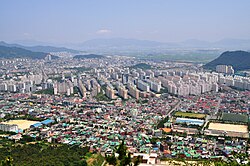
Economic Powerhouse: Aerospace and Shipbuilding
South Gyeongsang is a critical engine for the South Korean economy. It accounts for 43% of the national space industry production, hosting major players like Korea Aerospace Industries and Hanwha Aerospace. A new National Aerospace Industrial Complex is currently under development, with a target completion date of June 2025.
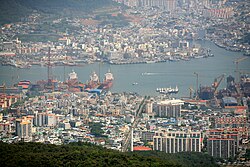
The maritime sector is equally vital. The shipyards in Geoje are among the largest in the world, serving as the home for major shipbuilders such as Samsung Heavy Industries.
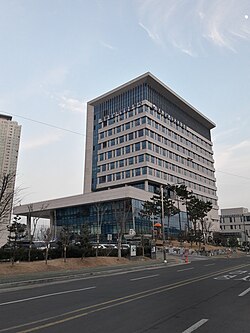
Cultural Attractions and Festivals
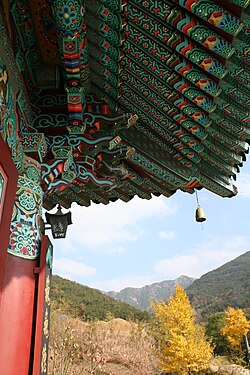
For travelers, Gyeongnam offers profound spiritual and cultural experiences. The most famous is Haeinsa, a Buddhist temple built in 802. It is world-renowned for housing the Tripitaka Koreana, a collection of Buddhist scriptures carved onto wooden blocks.
Notable Sites
- Upo Wetland: A significant natural site located in Changnyeong County.
- Tongdosa and Naewon Temple: Major spiritual landmarks in Yangsan.
- Jirisan National Park: A massive mountain range offering hiking and natural beauty.
Seasonal Festivals
The province hosts several major events throughout the year, including the Jinhae Naval Port Festival, famous for its cherry blossoms, and the Tongyeong International Music Festival, a premier classical music event in Asia. Additionally, the Haman Water Fireworks Festival is held annually around Buddha's Birthday.
Administrative Overview
| Type | Name | Approx. Population |
|---|---|---|
| City | Changwon | 1,001,902 |
| City | Gimhae | 531,966 |
| City | Yangsan | 358,074 |
| City | Jinju | 339,338 |
| City | Geoje | 232,921 |
| County | Changnyeong | 56,246 |
Frequently Asked Questions
What is the most famous historical site in South Gyeongsang?
Haeinsa Temple is the most famous, as it houses the Tripitaka Koreana, a UNESCO World Heritage site containing Buddhist scriptures on woodblocks.
What industries drive the economy of Gyeongnam?
The province is a leader in the aerospace industry, shipbuilding (particularly in Geoje), petrochemicals, and automobile manufacturing.
Where is the provincial capital located?
The capital of South Gyeongsang Province is Changwon.
What are the best festivals to visit in the province?
Popular choices include the Jinhae Naval Port Festival for cherry blossoms, the Tongyeong International Music Festival for classical music, and the Haman Water Fireworks Festival.
Is Gyeongnam a good place for agriculture?
Yes, the Gimhae Delta Plain is one of South Korea's best granaries, producing rice, beans, and barley, while the southern coast is known for fruits and sesame.