Smuttynose Murders: The Tragic 1873 Isles of Shoals Crime
The Isles of Shoals are known for their rugged beauty, but they are also the site of one of the most sensational crimes in New England history. On March 6, 1873, a brutal attack occurred on Smuttynose Island, leaving a community shattered and sparking a legal battle that would be debated for over a century.
The Night of the Crime
The events unfolded in the only occupied house on the island, owned by John Hontvet and his wife, Maren. On the night of the attack, three Norwegian immigrant women—Maren, her sister Karen Christensen, and their brother's wife, Anethe Christensen—were alone in the home. Shortly after 1 a.m., an intruder entered the house, awakening the women.
The assailant beat and strangled Karen to death before using the Hontvets' own axe to kill Anethe. In a desperate bid for survival, Maren managed to escape through a window. She hid among the rocks until daybreak, eventually crossing a breakwater to signal for help from a neighboring island.
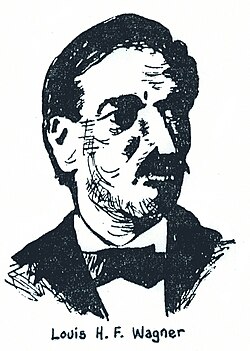
The Investigation and Arrest of Louis Wagner
Upon her rescue, Maren Hontvet identified the killer as Louis Wagner, a German-born fisherman. Wagner had a prior connection to the family, having previously worked on John Hontvet's fishing boat and stayed as a boarder in their home.
The case against Wagner was built on a combination of eyewitness testimony and a significant amount of circumstantial evidence:
- Physical Evidence: Bloody footprints on Smuttynose Island matched Wagner's boots. Additionally, a bloody shirt—identified by his landlady, Mrs. Johnson, as one she had laundered for him—was found hidden in his boarding house outhouse.
- Financial Clues: Wagner purchased new clothes on the day of the murders using $15 in cash, the exact amount stolen from the Hontvet home. This was notable because he had been unable to pay his rent the previous day.
- Personal Belongings: A button found in Wagner's pocket was identified by Maren as one she had given to Karen, which Karen had kept in her coin purse.
- Movement and Logistics: Witnesses spotted Wagner rowing a wooden dory hours after the crime. A stolen dory found nearby showed wear on its newly-replaced thole pins (the pegs used to hold an oar in place), suggesting it had been rowed for several hours.
Contradictory Alibis
Wagner's defense was weakened by his inability to provide a verifiable alibi. While he claimed to have been working and visiting a saloon, he could not name the fishing boat, the pier, or the establishment he visited. Conversely, John Hontvet, his brother Matthew, and Even (Anethe's husband) testified that Wagner had asked them three times if the women would be alone on the island that night.
Trial, Execution, and Controversy
Louis Wagner was tried and convicted of the murders. Despite a brief escape attempt, he was hanged by the state of Maine on June 25, 1875. While awaiting his execution, Wagner claimed that Maren Hontvet was the actual killer and that her husband had bribed witnesses to frame him. These claims created a lingering doubt for some observers, leading to a long-standing debate over his guilt.
Today, the axe believed to have been used in the murder of Anethe Christensen is preserved and on display at the Portsmouth Athenaeum.
Case Summary
| Detail | Information |
|---|---|
| Date of Crime | March 6, 1873 |
| Location | Smuttynose Island, Isles of Shoals |
| Victims | Karen Christensen and Anethe Christensen |
| Survivor | Maren Hontvet |
| Convicted Perpetrator | Louis Wagner |
| Date of Execution | June 25, 1875 |
Key Facts
- The crime involved the murder of two women and the narrow escape of a third.
- Evidence included matching bloody footprints, a stolen $15 sum, and a specific button from a coin purse.
- The perpetrator was a former employee and boarder of the victims.
- The case has been the subject of various literary works, including a 19th-century account by Celia Thaxter and a modern novel by Anita Shreve.
Cultural Impact and Media
The tragedy has left a lasting mark on regional culture. Celia Thaxter, a resident of Appledore Island, published "A Memorable Murder" in Atlantic Monthly in 1875. In 1981, poet laureate John Perrault released "The Ballad of Louis Wagner" on his album New Hampshire.
The story also inspired the 1997 novel The Weight of Water by Anita Shreve, which fictionalized the events by depicting Maren as the killer. This novel was later adapted into a film starring Sean Penn and Elizabeth Hurley. However, historian J. Dennis Robinson argued in his 2019 book, Mystery on the Isles of Shoals, that the evidence overwhelmingly proves Wagner was the correct person to be executed.
Frequently Asked Questions
Who were the victims of the Smuttynose murders?
The victims were Karen Christensen and Anethe Christensen, two Norwegian immigrant women who were killed in their home on Smuttynose Island.
What evidence linked Louis Wagner to the crime?
Evidence included bloody footprints matching his boots, a bloody shirt found in his outhouse, $15 in stolen cash, a button from a victim's purse, and testimony regarding his inquiries about the women being alone.
Did Louis Wagner admit to the murders?
No. While he was convicted and executed, he maintained his innocence until the end, claiming that Maren Hontvet was the real killer and that he had been framed.
Where can the murder weapon be seen today?
The axe said to have been used to kill Anethe Christensen is on display at the Portsmouth Athenaeum.
Is the story of the murders depicted in any movies?
Yes, the story was fictionalized in the novel The Weight of Water, which was adapted into a film of the same name starring Sean Penn and Elizabeth Hurley.