Sir William Dillon Otter: The First Canadian-Born Chief of the General Staff
General Sir William Dillon Otter was a pivotal figure in the professionalization of the Canadian military. As a career soldier who rose through the ranks of the Canadian Militia, he broke new ground by becoming the first Canadian-born officer to serve as the Chief of the General Staff, the highest position in the nation's military hierarchy.
Born on December 3, 1843, in The Corners, Canada West, to English immigrants Alfred William Otter and Anna Louisa de la Hooke, Otter's life was defined by a commitment to discipline and the institutional growth of Canada's armed forces. His career spanned several of the most significant conflicts in early Canadian history, from border raids to overseas expeditions.
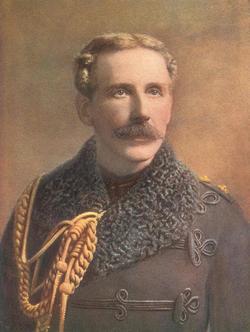
Key Facts
- First Canadian-Born Chief: The first Canadian-born officer to lead the Canadian military (appointed 1908).
- Military Rank: Attained the rank of full General in 1922.
- Commands: First commanding officer of the Royal Canadian Regiment of Infantry.
- Key Contributions: Authored a comprehensive infantry manual and led the Otter Commission to preserve CEF battle honours.
- Notable Conflicts: Fought in the Fenian Raids, North-West Rebellion, and the Second Boer War.
Military Career and Combat Experience
Otter began his military journey in 1864 with the Non-Permanent Active Militia in Toronto. By 1866, he served as the Adjutant of the Queen's Own Rifles of Toronto, experiencing his first combat during the Fenian Raids at the Battle of Ridgeway.
In 1883, Otter transitioned to the Permanent Force, joining Canada's newly established professional infantry unit. His leadership was tested during the North-West Rebellion of 1885. On May 2, 1885, he led over 300 troops in the Battle of Cut Knife against a camp of Cree and Assiniboine warriors defended by Poundmaker and Fine-Day; however, his tactics during this engagement were noted as ineffective.
Rise to Senior Command
Otter's administrative and leadership capabilities led to his appointment as the first commanding officer of the Royal Canadian Regiment of Infantry in 1893. During the Second Boer War, as a lieutenant colonel, he commanded the 2nd (Special Service) Battalion of the regiment in South Africa, where he played a significant role in the Battle of Paardeberg.
By 1908, he achieved the historic milestone of becoming the first Canadian-born officer to command Canada's military. He retired as a major general in 1910, though he was later promoted to full general in 1922, making him only the second Canadian to hold that rank after Sir Arthur Currie.
Contributions to Military Doctrine and Legacy
Known as a martinet—a strict disciplinarian—Otter was driven by a desire to ensure the young Canadian Army met the rigorous standards of the British troops. This dedication to professionalism culminated in his 1914 publication, The Guide: A Manual for the Canadian Militia (Infantry). This comprehensive manual covered everything from interior economy and drills to courts martial and bugle calls.
Even after retirement, Otter continued to serve. During the First World War, he managed operations for the internment of enemy nationals in Canada. Perhaps his most lasting institutional contribution was heading the Otter Commission. This commission established "perpetuation" links between the Canadian Expeditionary Force (CEF) and the separate units of the Canadian Militia. By linking CEF achievements and battle honours to the standing Militia based on geographical recruiting areas, Otter ensured that the legacy of the CEF survived within the modern Canadian Army.
Honours and Personal Life
Otter was a member of the Ionic Lodge of Freemasonry in Toronto, serving as Worshipful Master in 1873. In 1895, he married Marian Porter, with whom he had four children. He is the grandfather of the noted Canadian military historian Desmond Morton.
His military excellence was recognized with numerous awards, including being named a Knight Commander of the Order of the Bath (KCB) and a Commander of the Royal Victorian Order (CVO).
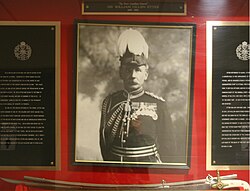
Summary of Service and Honours
| Category | Details |
|---|---|
| Service Years | 1866–1902 (Active); Retired 1910 |
| Highest Rank | General (appointed 1922) |
| Major Battles | Ridgeway, Cut Knife, Paardeberg, Driefontein |
| Key Awards | KCB, CVO, VD, Canada General Service Medal |
| Institutional Legacy | Otter Commission; Otter Squadron (RMC) |
Frequently Asked Questions
Why was Sir William Dillon Otter considered a martinet?
Otter earned this reputation for being a strict disciplinarian because he wanted the emerging Canadian Army to be viewed as equal in professionalism and discipline to the British troops.
What was the purpose of the Otter Commission?
The Otter Commission was tasked with linking the battle honours and achievements of the Canadian Expeditionary Force (CEF) from World War I back to the permanent units of the Canadian Militia, ensuring the CEF's legacy was preserved.
Which professional unit did Otter first command?
In 1893, Sir William Dillon Otter was appointed as the first commanding officer of the Royal Canadian Regiment of Infantry.
How is Otter remembered at the Royal Military College of Canada?
The Royal Military College of Canada has named the Otter Squadron in his honour. Additionally, the Cadet Squadron Leader of this squadron is permitted to carry Otter's sword during the graduation parade.
What role did Otter play during the First World War?
Despite being retired, Otter returned to service during the First World War to command operations regarding the internment of enemy nationals residing in Canada.