Siero: A Journey Through the History and Evolution of an Asturian Municipality
Nestled in the heart of Asturias, Siero is a region where ancient heritage meets modern industrial growth. From its earliest human settlements in the Paleolithic period to its current status as a diverse economic hub, Siero has evolved through centuries of political shifts, royal decrees, and industrial revolutions.
Key Facts
- Earliest Inhabitants: Human presence dates back to the Paleolithic period.
- First Written Record: Mentioned in 905 AD regarding the church of San Martín de Siero.
- Municipal Status: Granted a municipal charter by King Alfonso X on August 14, 1270.
- Economic Shift: Transitioned from coal mining dominance in the 20th century to a tertiary sector-led economy.
- Administrative Structure: Comprised of 29 distinct parishes.
Ancient Roots and Medieval Foundations
The foundations of Siero were laid long before written records. Evidence shows that humans inhabited the area during the Paleolithic period, with significant activity concentrated near the current parishes of Argüelles, Lugones, and Samartindianes. Later, the Roman conquest of Iberia left a lasting mark on the landscape, most notably through the construction of numerous Roman bridges that still exist today.
The region first entered written history in 905, when Alfonso III granted the church of San Martín de Siero to the Oviedo Cathedral. This trend of ecclesiastical donations continued throughout the 10th century. By the 12th and 13th centuries, the area became a site for social care, with the establishment of hospitals and leprosariums—specialized facilities for treating leprosy—some of which remained operational until the 18th century.
Royal Charters and Political Conflict
A pivotal moment in Siero's administrative history occurred on August 14, 1270, when King Alfonso X granted the area its municipal charter, providing official legal recognition to the municipality.
However, the region was not immune to the power struggles of the Spanish monarchy. Following the death of Alfonso XI, Siero was split: Pedro I took control of Samartindianes, while the remainder of the region fell under the authority of Enrique II of Trámara. After Enrique II ascended to the throne of Castile, he rewarded the inhabitants of Siero for their support during the Castilian Civil War by exempting the region from taxes.
From Napoleonic Wars to Industrial Growth
The 19th century brought turmoil as Siero faced multiple invasions by French forces during the Napoleonic Wars. This period of instability lasted until the French finally withdrew from Asturias in 1812.
The 20th century marked a dramatic demographic and economic transformation. The surge of the coal mining industry turned Siero into one of the fastest-growing municipalities in Asturias, with its population more than doubling over the course of the century.
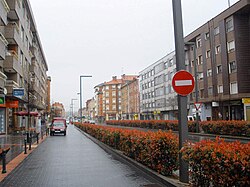
In recent decades, the economic landscape has shifted again. While dairy farming and construction remain relevant, the tertiary sector—which encompasses services and commerce—has emerged as the largest part of Siero's economy.
Administrative Geography
Siero is organized into 29 parishes, each contributing to the cultural and geographic diversity of the municipality.
| Region | List of Parishes |
|---|---|
| Complete List | Aramil, Argüelles, Bobes, La Carrera, Celles, La Collá, Collao, Feleches, Granda, Hevia, Lieres, Limanes, Lugones, Marcenado, Muñó, La Paranza, La Pola Siero, Samartindianes, Samartino, San Juan de Arenas, Samiguel, Santolaya de Vixil, Santa Marina, Santa Marta de Carbayín, Santiago Arenas, Tiñana, Trespando, Valdesoto, Viella |
Frequently Asked Questions
When was Siero first mentioned in written records?
Siero was first referenced in writing in 905, when Alfonso III granted the church of San Martín de Siero to the Oviedo Cathedral.
Who granted Siero its municipal charter?
King Alfonso X granted the area its official municipal charter on August 14, 1270.
Why was Siero exempted from taxes by Enrique II of Trastámara?
Enrique II granted the tax exemption as a reward for the support provided by the inhabitants of Siero during the Castilian Civil War.
What drove the population growth of Siero in the 20th century?
The growth of the coal mining industry led to a rapid increase in population, causing the municipality to more than double in size by the end of the century.
What is the primary economic sector in Siero today?
The tertiary sector is currently the largest in Siero, although construction and dairy farming continue to be relevant industries.