Sibiu: The Historic Heart of Transylvania
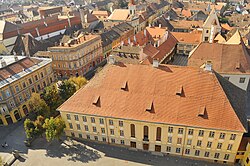
Nestled in the geographical center of Romania, Sibiu (also known by its German name, Hermannstadt) is a city where medieval charm meets modern vitality. Situated in the historical region of Transylvania and straddling the Cibin River, Sibiu is renowned for its unique architecture, multicultural heritage, and its nickname, "The Town with Eyes," referring to the distinctive eye-shaped windows found on the roofs of its old town.
From its origins in the 1st century BC to its role as a former capital of the Principality of Transylvania, Sibiu has evolved into a major cultural and administrative hub. Today, it serves as the seat of Sibiu County and remains one of Romania's most visited destinations.
Key Facts
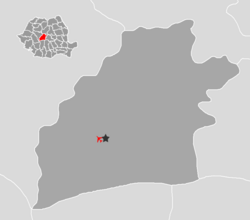
- Location: Central Romania, Transylvania region, 275 km northwest of Bucharest.
- Population: 134,309 (2021 census), with a metropolitan area of 267,170.
- Historical Status: Former capital of the Principality of Transylvania (1692–1791 and 1849–1865).
- Cultural Milestone: Served as the European Capital of Culture in 2007.
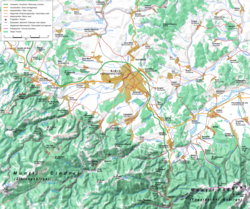
- Geography: Located in the Cibin Depression, surrounded by the Făgăraș, Cibin, and Lotru Mountains.
History and Cultural Evolution
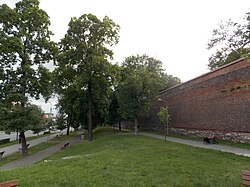
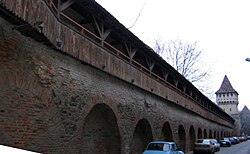
Sibiu was resettled around 1147 and founded by Hermann, which gave rise to its German name, Hermannstadt. For centuries, it was a stronghold of the Transylvanian Saxons (ethnic Germans who settled in the region), whose influence is still visible in the city's fortifications and Lutheran churches.
During the 18th and 19th centuries, the city emerged as a vital center for Romanian ethnics. It hosted the first Romanian-owned bank, the Albina Bank, and the ASTRA (Transylvanian Association for Romanian Literature and Romanian's People Culture). Furthermore, Sibiu became the Metropolitan seat of the Romanian Orthodox Church, cementing its status as a spiritual and intellectual pillar of the region.
Geography and Climate
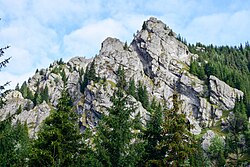
The city is strategically positioned in the Cibin Depression. It is flanked by the Făgăraș Mountains to the north, the Cibin Mountains to the west, and the Lotru Mountains to the southwest. To the north and east, the Târnavelor Plateau descends toward the valley via Gușteriței Hill.
Sibiu experiences a temperate climate with distinct seasons. Summers are generally warm, with record highs reaching nearly 40°C, while winters can be severe, with record lows dropping to -31.8°C. The city receives an average annual precipitation of 643.7 mm, with the heaviest rainfall typically occurring in June.
City Highlights and Tourism
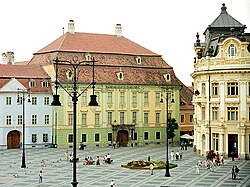
Sibiu is divided into several districts, most notably the Historical Center, which is split into the Upper and Lower Town. Visitors are drawn to the Piața Mare (Large Square), the Bridge of Lies, and the Council Tower. The city is also home to the Brukenthal National Museum, housed in the former palace of Samuel von Brukenthal.
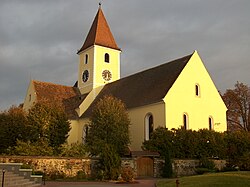
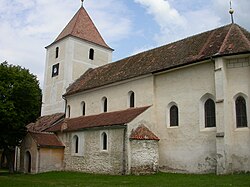
Beyond the city center, the region is dotted with fortified churches, such as those in Turnișor and Gușterița, which served as defensive structures for the local communities during the Middle Ages.
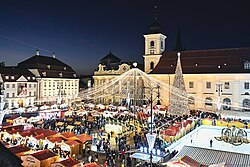
The city is also a hub for seasonal events, most notably the Sibiu Christmas Market, which transforms the central squares into a festive winter wonderland.
Administration and Infrastructure
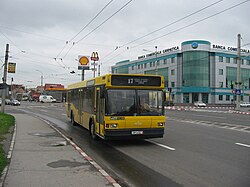
The city is currently led by Mayor Astrid Cora Fodor of the Democratic Forum of Germans in Romania (FDGR/DFDR). Sibiu is well-connected via the A1 motorway, linking it to Pitești and the western border. For air travel, the Sibiu International Airport provides essential connectivity to other European cities.


Education and Health
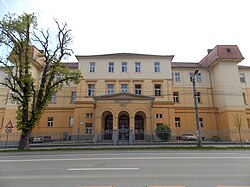
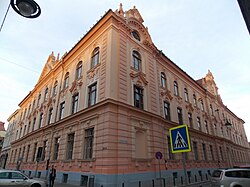
Sibiu is a prominent educational center with 20 secondary institutions, including the Gheorghe Lazăr National College (founded in 1692) and the Samuel von Brukenthal High School. In terms of healthcare, the city hosts several major facilities, including the County Hospital and the Academic Emergency Hospital.
Sports and Leisure
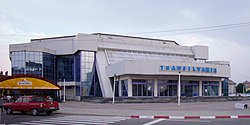
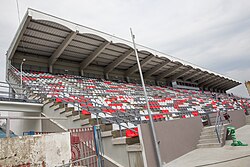
The city supports a variety of sports, including football, basketball, and rugby. Notable venues include the Stadionul Municipal and Sala Transilvania. For those seeking outdoor activities, the village of Păltiniș, a ski resort 35 km southwest of the city, is administered by Sibiu.
City Overview Summary
| Category | Details |
|---|---|
| Official Names | Sibiu (RO), Hermannstadt (DE), Nagyszeben (HU) |
| Population (2021) | 134,309 |
| Elevation | 415 m (1,362 ft) |
| Key Landmarks | Brukenthal Palace, Lutheran Cathedral, Bridge of Lies |
| Main Industries | East and West Economic Centers |
| Twin Towns | Landshut (DE), Marburg (DE), Durham (USA), Butuan (PH) |
Frequently Asked Questions
Why is Sibiu called "The Town with Eyes"?
The nickname comes from the unique architectural style of the houses in the old town, where the attic windows look like half-closed eyelids, giving the impression that the houses are watching the passersby.
What is the significance of the Transylvanian Saxons in Sibiu?
The Transylvanian Saxons founded and developed much of the city's medieval infrastructure, including its fortifications and Lutheran churches, leaving a lasting German cultural and architectural imprint.
Which major museums can be visited in Sibiu?
The most prominent is the Brukenthal National Museum, which is one of the oldest and most important museums in Romania, showcasing a vast collection of art and historical artifacts.
How is Sibiu connected to the rest of Romania?
Sibiu is accessible via the A1 motorway, which connects it to Pitești and the western border. It also has an international airport and a comprehensive rail network.
What is Păltiniș?
Păltiniș is a ski resort located 35 kilometers southwest of Sibiu and is administered by the city, making it a popular destination for winter sports enthusiasts.