Shellac: The Versatile Natural Resin from Lac Bugs
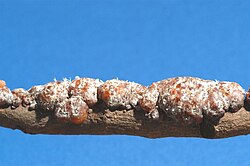
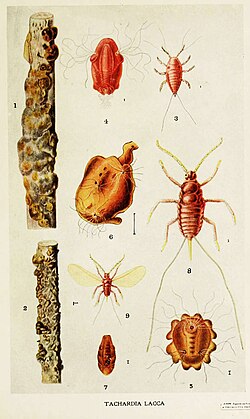
Shellac is a remarkable natural resin secreted by the female lac bug, specifically Kerria lacca, found on trees in the forests of India and Thailand. This organic substance serves as a bioadhesive polymer, acting as a natural form of plastic that has been utilized for millennia across various industries, from fine art and furniture to food and pharmaceuticals.
Chemically, shellac is composed of natural waxes and acids, including aleuritic, jalaric, and shellolic acids. In its raw state, it is processed into dry flakes, which are then dissolved in alcohol to create a liquid finish. Because of its unique properties, it functions as a high-gloss varnish, a tough natural primer, a sanding sealant, and an effective blocker for both tannins and odors.
Key Facts
- Origin: Secreted by female lac bugs in India and Thailand.
- Composition: A natural bioadhesive polymer consisting of aleuritic, jalaric, and shellolic acids.
- Production Scale: It takes between 50,000 and 300,000 insects to produce just 1 kilogram of shellac.
- Versatility: Used as a food glaze (E904), wood finish, pharmaceutical coating, and historically for gramophone records.
- Physical State: A thermoplastic with a melting point of approximately 75°C (167°F).
Production and Preparation
The production of shellac is an intensive process. The term "lakh," from which shellac derives, is an Indian numbering unit for 100,000, reflecting the massive swarms of insects—up to 150 per square inch—that inhabit host trees.
Liquid Shellac and Shelf Life
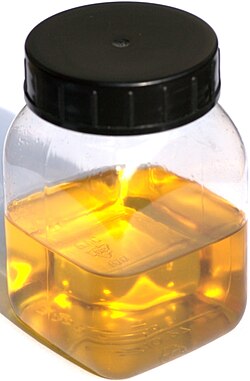
Because liquid shellac has a limited shelf life of about one year, it is typically sold as dry flakes. To determine if pre-mixed shellac is still usable, a few drops can be placed on glass; if it does not dry to a hard surface within 15 minutes, it is no longer viable. Refrigeration can help extend the storage life of the liquid form.
Understanding the "Pound Cut"
The concentration of shellac is measured by the pound cut, which refers to the weight of shellac flakes dissolved in one gallon of denatured alcohol. For instance, a 1-lb. cut contains one pound of flakes per gallon (roughly 120 grams per litre), while most commercial preparations use a 3-lb. cut. Experts recommend applying multiple thin layers rather than a few thick ones, as thick layers can peel easily and obscure fine carved details.
Waxy vs. Dewaxed Shellac
Naturally, shellac contains 3% to 5% wax. While waxy shellac appears milky in liquid form and dries clear, dewaxed shellac is produced by removing this wax. Dewaxed versions are essential when the shellac is used as a base coat, as they allow subsequent layers of paint or varnish to adhere properly.
Colors and Visual Properties
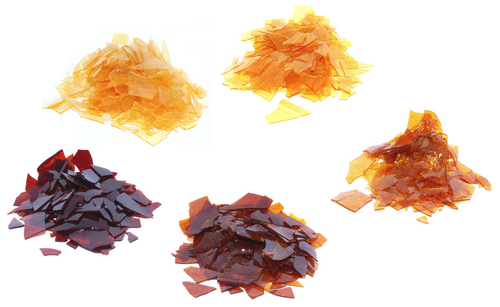
Shellac is available in a wide spectrum of warm tones. These range from "platina" (a very light blonde) to "garnet" (a very dark brown), with various shades of orange, yellow, and red in between. The specific color is determined by the time of harvest and the sap of the host tree. The most traditional variety, orange shellac, was widely used for 20th-century cabinetry and wood paneling.
Historical Applications
The use of shellac dates back 3,000 years, with mentions in the ancient Indian epic, the Mahabharata. By 1220, it was used as a binding agent for pigments in Spain, and by the 13th century, it was employed in Venice for varnishing cassone (impressive dowry chests).
The Era of Gramophone Records
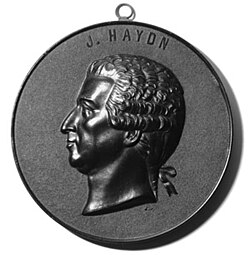
Before the invention of vinyl, shellac was the primary material for 78 rpm gramophone records. Between 1921 and 1928 alone, 18,000 tons of shellac were used to produce 260 million records for Europe. By the 1930s, roughly half of the world's shellac supply was dedicated to record production.
Other Historical Uses
- Braille: Sheets were coated in shellac to prevent wear from fingertips.
- Paleontology: Until the mid-1960s, it was used to stabilize dinosaur bones, though this is now rare due to the organic nature of the resin.
- Sealing Wax: Since the 17th century, shellac has been a key component in European sealing wax.
Modern Uses
Food and Medicine
Known as confectioner's glaze (food additive E904), shellac is used as an edible coating for candies and pharmaceutical pills. It is also applied to citrus fruits and apples to replace natural waxes removed during cleaning, thereby prolonging shelf life.
Industrial and Specialized Applications
Shellac continues to be used in several niche fields:
- Watchmaking: Due to its low melting point (80–100°C), it is used to secure pallet stones and roller jewels in mechanical movements.
- Abrasive Wheels: It acts as a binder for "elastic" bonded wheels, often mixed with plaster of paris and aluminium oxide.
- Art and Science: It serves as a binder in India ink and a gel adhesive for mounting insects.
- Cosmetics: It is used as a topcoat in certain types of nail polish.
Summary of Shellac Properties
| Property | Detail |
|---|---|
| Chemical Nature | Natural bioadhesive polymer / Thermoplastic |
| Melting Point | 75°C (167°F) |
| Common Solvent | Denatured Alcohol |
| Food Grade ID | E904 (Confectioner's Glaze) |
| Primary Source | Kerria lacca (Lac bug) |
Frequently Asked Questions
What is the difference between waxy and dewaxed shellac?
Waxy shellac contains the natural waxes produced by the lac bug, making it appear milky when liquid. Dewaxed shellac has these waxes removed, which allows other topcoats like paint or varnish to adhere to the surface more effectively.
How can I tell if my liquid shellac has expired?
You can test it by placing a few drops on a piece of glass. If the shellac dries to a hard surface in approximately 15 minutes, it is still usable. If it remains tacky, it has expired and should be replaced.
What does "pound cut" mean in shellac terminology?
A pound cut refers to the concentration of the mixture. For example, a 2-lb. cut means two pounds of dry shellac flakes have been dissolved in one gallon of alcohol.
Is shellac safe to eat?
Yes, shellac is edible and is used globally as a glazing agent for sweets and pills, as well as a protective coating for various fruits, under the food additive designation E904.
Why was shellac used for old records?
Shellac was used for 78 rpm records because it is a tough, moldable thermoplastic that could be pressed into discs before the development of vinyl.