Seoul Metropolitan Subway: A Comprehensive Overview of South Korea's Transit Network
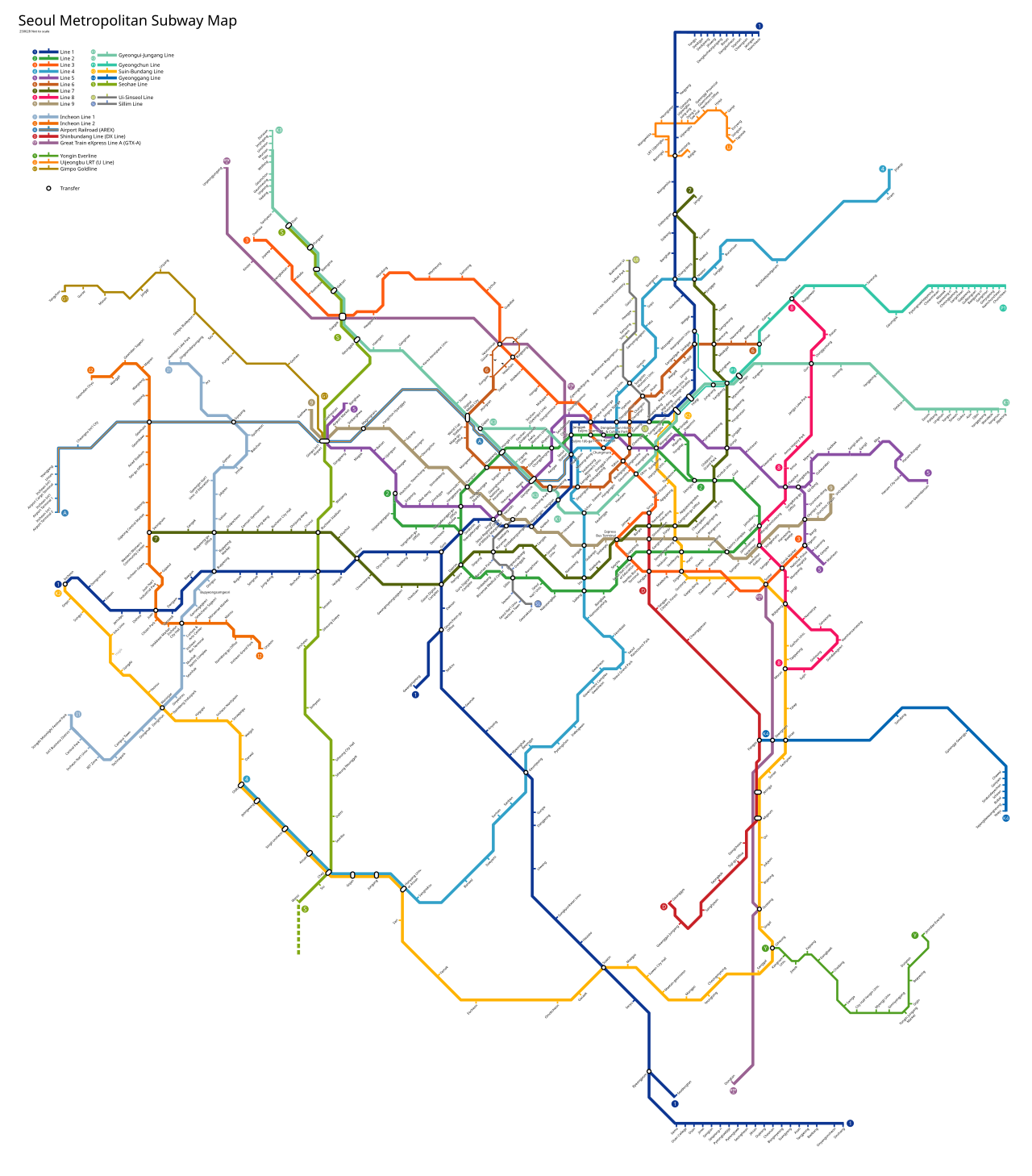
The Seoul Metropolitan Subway is a massive, high-capacity transit network that serves as the lifeblood of the Seoul Metropolitan Area. Spanning over 1,300 kilometers, this complex web of rapid transit and commuter rail connects the capital with surrounding regions, facilitating the movement of billions of passengers every year. From its humble beginnings in the 1970s to its current status as a world-class technological marvel, the system is a cornerstone of South Korean urban infrastructure.
Key Facts
- Total System Length: 1,302.2 km (809.1 mi)
- Number of Lines: 24
- Number of Stations: 656
- First Operation: 15 August 1974
- Annual Ridership: 2.42 billion (2024, Lines 1-8)
- Primary Operators: Seoul Metro, Korail, Incheon Transit Corporation, and various private operators
The Evolution of Seoul's Transit System
The history of the Seoul subway began with the construction of Line 1 in 1971. When the first section opened on 15 August 1974, it utilized the cut and cover construction method—a technique where a trench is excavated, the structure is built, and then covered back up. Early lines relied heavily on technological imports from Japan and the United Kingdom, such as GEC Traction equipment used on Lines 2, 3, and 4 during the 1980s.
Over the decades, the network has expanded aggressively. Line 2 opened in 1980, followed by Line 4 in 1985 and Line 3 in 1985. The system has seen continuous growth through various extensions, such as the Gyeongui–Jungang Line integration and the opening of the Shinbundang Line in 2011. A significant technological shift occurred on 1 May 2009, when the system transitioned from magnetic-stripe paper tickets to RFID-based (Radio Frequency Identification) smart cards.
Technical Specifications
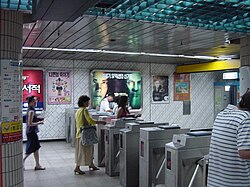
The network utilizes different electrification methods depending on the line. Most Seoul Metro and Incheon Subway lines operate on a 1,500 V DC overhead line system. In contrast, Korail lines (excluding Line 3), the AREX, the Shinbundang Line, and the GTX utilize a 25,000 V 60 Hz AC overhead line system. The track gauge is primarily 1,435 mm (standard gauge), though some sections utilize 1620 mm or 1700 mm gauges.
Lines and Operations
The system is composed of several major lines, each identified by a specific color for easy navigation. While Seoul Metro manages many central lines, Korail—South Korea's national rail operator—manages several suburban and regional services.
| Line Name | Color | Stations | Total Length | Operator |
|---|---|---|---|---|
| Line 1 | Dark Blue | 102 | 218.3 km | Korail / Seoul Metro |
| Line 2 | Green | 51 | 60.2 km | Seoul Metro |
| Line 3 | Orange | 44 | 57.4 km | Korail / Seoul Metro |
| Line 4 | Azure/Blue | 51 | 85.7 km | Korail / Seoul Metro |
| Line 9 | Gold | 38 | 40.6 km | Seoul Metro Line 9 Corp |
| AREX | Sea Blue | 14 | 63.8 km | Airport Railroad Co. |
Fares and Ticketing
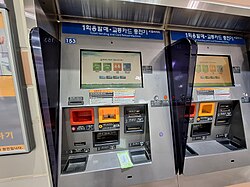
Navigating the fare system is straightforward with the use of smart cards. As of June 2025, the base fare is 1,550 won for trips up to 10 km. For longer journeys, an additional 100 won is added for every 5 km traveled until the 50 km mark is reached, after which the increment changes to 100 won for every 8 km.
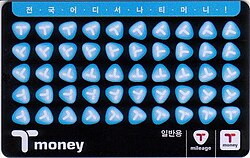
The T-money smart card is the most common method of payment. For those using single-use tickets, a 500 won RFID deposit is required, plus a 100 won surcharge. Looking toward the future, the Seoul Metropolitan Government has announced plans to introduce an EMV-based open-loop fare collection system—allowing for more seamless payment via international credit cards—between 2025 and 2030.
Future Developments and Construction
The network continues to grow with several major projects currently in the pipeline:
- Line 7 Extension: Planned to reach Pocheon station by 2030.
- Dongtan-Indeogwon Line: Expected to open by 2029, featuring 17 stops.
- Gyeonggang Line Westward Extension: Aiming for a December 2029 opening to connect Pangyo to Wolgot.
- Shinbundang Line North Extension: Construction is set to begin in 2026 to connect Sinsa to Yongsan.
Frequently Asked Questions
How much does a subway trip cost in Seoul?
As of June 2025, the base fare is 1,550 won for the first 10 km. Additional distance is charged at 100 won per 5 km (up to 50 km) and 100 won per 8 km thereafter.
What is the best way to pay for fares?
Using a smart card like T-money is the most efficient method. Single-use tickets are also available but require a 500 won deposit and a 100 won surcharge.
Are there different operators for the subway lines?
Yes, the network is operated by several entities including Seoul Metro, Korail, Incheon Transit Corporation, and various private companies like the Shinbundang Railroad Corporation.
Is the subway system expanding?
Yes, many extensions are planned or under construction, including the Dongtan-Indeogwon Line and the northward extension of the Shinbundang Line.
What is the difference between the various lines?
Lines differ by operator, electrification type (AC vs. DC), and coverage area, ranging from central urban rapid transit to regional commuter rail.