Scottish Women's Hospitals: The All-Female Medical Units of WWI
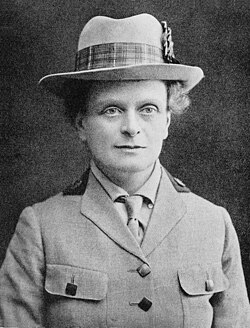
At the outbreak of World War I, female medical professionals faced a frustrating barrier: they were prohibited from joining the Royal Army Medical Corps. Refusing to be sidelined, Dr Elsie Inglis and a dedicated group of pioneers founded the Scottish Women's Hospitals for Foreign Service (SWH) in 1914. This voluntary organization created all-women medical units to provide critical care to allies across Europe and Asia, proving that women could operate and manage complex medical facilities under the most grueling wartime conditions.
The SWH was not merely a nursing service; it was a comprehensive medical operation. These units were staffed by female doctors, nurses, ambulance drivers, cooks, and orderlies. Through successful fundraising—raising over £5,000 by August 1914—the organization eventually outfitted 14 medical units that served in France, Corsica, Malta, Romania, Russia, Salonika, and Serbia.
Key Facts
- Founded: 1914 by Dr Elsie Inglis.
- Scope: 14 medical units deployed across seven different regions.
- Personnel: Over 1,000 women from Scotland, New Zealand, Australia, and Canada.
- Scale: At its peak, the SWH managed 1,000 beds with 250 staff, including 19 female doctors.
- Legacy: A statue to Elsie Inglis was approved in 2025 by the City of Edinburgh Council to honor the 1,500 volunteers.
The Western Front and Royaumont Abbey
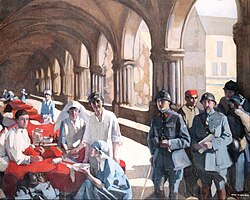
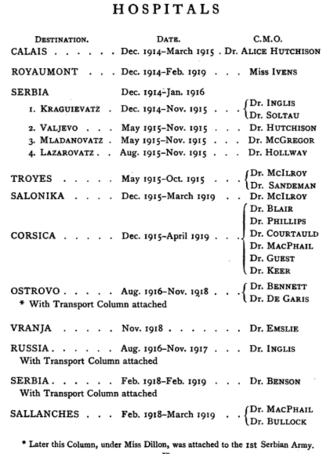
One of the most significant early achievements of the SWH was the establishment of a 200-bed hospital in December 1914 at Royaumont Abbey in France (officially known as Hôpital Auxiliaire 301). This facility served as a cornerstone for their operations in mainland France and Corsica. The initial leadership team included Dr Inglis alongside Alice Hutchison, Ishobel Ross, Cicely Hamilton, Marian Gamwell, and Katherine Harley.
Service in Serbia and the Great Retreat
By April 1915, Dr Inglis led a unit based in Serbia, initially operating out of Kragujevac. The work in Serbia was characterized by extreme hardship and a deep bond between the medical staff and the Serbian people. The SWH provided essential care to soldiers and civilians during a period of intense conflict.
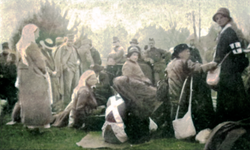
The units faced their greatest trial during the chaotic Serbian retreat in November 1915, where staff endured grueling conditions to continue providing care while moving away from advancing enemy forces.
The Salonika and American Units
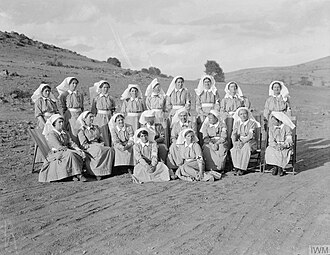
In August 1916, the Ostrovo Unit (also known as the American Unit) joined the effort in Salonika. Funded primarily by American donors, this unit moved to Lake Ostrovo (now Lake Vegoritida in Greece) to support the Serbian Army's push back into its homeland. This unit also deployed a Transport Column—a motor ambulance unit featuring volunteer drivers like Elsie Cameron Corbett—which allowed the SWH to proactively collect casualties from the field.
Operations in Russia and Romania
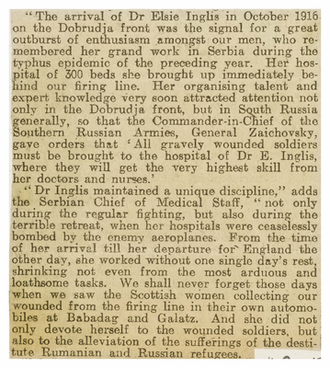
After returning to the UK in early 1916, Dr Inglis organized a hospital and transport column for Russia. Serving in Romania and southern Russia (Bessarabia and Moldova), the unit primarily cared for the Serbian Division of the Russian army. This division consisted of volunteers from the Serbian diaspora and prisoners of war from the Austro-Hungarian army who wished to fight for their people.
The scale of the need was immense; the SWH provided medical facilities for approximately 11,000 men with only seven doctors. For her extraordinary service, Dr Inglis was awarded The Serbian Order of the White Eagle.
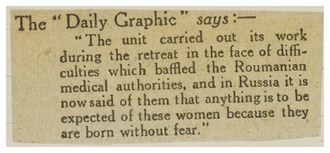
The Russian mission ended in turmoil. Following the rout of the Romanian army in 1917 and the subsequent Russian Revolution, the hospital was withdrawn. Dr Inglis and a group of Serbian soldiers sailed through submarine-infested waters to reach Britain. Tragically, Dr Inglis died the day after her arrival, having suffered from bowel cancer.
The Final Years and Lasting Impact
In memory of their founder, the Elsie Inglis Unit was established to support the Serbian army in Macedonia during the 1918 campaigns. By early 1919, the SWH's fixed hospital in Vranje was handed over to Serbian authorities, marking the end of the organization's formal operations.
Despite the official closure, many veterans remained in Serbia to provide humanitarian aid. Dr Katherine Stewart MacPhail opened a children's hospital in Belgrade, and Evelina Haverfield ran a hospital for orphans until 1920. Others, like Isabel Emslie Hutton, transitioned to relief work for refugees of the Russian Civil War in Crimea.
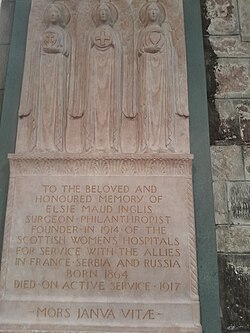
The SWH was a testament to female resilience. While medical professionals received salaries, many non-medical staff—including cooks and drivers—served entirely without pay, often funding their own expenses to contribute to the war effort.
| Category | Details |
|---|---|
| Active Years | 1914–1919 |
| Founder | Dr Elsie Inglis |
| Regions Served | France, Corsica, Malta, Romania, Russia, Salonika, Serbia |
| Total Units | 14 Medical Units |
| Staff Composition | Doctors, Nurses, Ambulance Drivers, Cooks, Orderlies |
| Key Facilities | Royaumont Abbey (France), Vranje Hospital (Serbia) |
Frequently Asked Questions
Why was the Scottish Women's Hospital founded?
It was founded because female medical professionals were prohibited from entering the Royal Army Medical Corps. The SWH provided a way for these women to use their skills to support the war effort through voluntary, all-female units.
Who was Dr Elsie Inglis?
Dr Elsie Inglis was the founder and leader of the SWH. A pioneering physician, she organized medical units across Europe and was awarded the Serbian Order of the White Eagle for her service to the Serbian army.
Did all the women in the SWH get paid?
No. Only medical professionals, such as doctors, nurses, laboratory technicians, and x-ray operators, received salaries and expenses. Non-medical staff, including drivers and cooks, were unpaid and often paid their own way.
What happened to the SWH after World War I?
The organization officially wound down by early 1919, handing over facilities like the Vranje hospital to Serbian authorities. However, several veterans stayed in Serbia to run orphanages and children's hospitals.
Where can researchers find records of the SWH?
Archives are held at the Mitchell Library in Glasgow, The Women's Library at the London School of Economics, the National Library of Scotland, and the Royal College of Physicians and Surgeons of Glasgow.