Science Fiction: The Evolution of Speculative Imagination
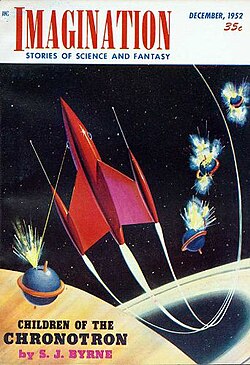
Science fiction (commonly shortened to sci-fi or SF) is a vibrant genre of speculative fiction that imagines the impact of advanced technology, scientific breakthroughs, and biological transformations. At its core, the genre explores how humanity responds to the consequences of projected scientific advances, ranging from the distant reaches of outer space to the intricate workings of the human mind.
Over time, the scope of science fiction has expanded. While early narratives focused on space exploration, extraterrestrial life, and robotics, modern iterations delve into parallel universes, dystopian societies, and the complexities of information technology, transhumanism (the enhancement of the human condition through technology), and posthumanism.
Key Facts

- First Novel: Mary Shelley's Frankenstein (1818) is widely regarded as the first true science fiction novel.
- Core Focus: Speculates on futuristic changes in technology, science, and biological systems.
- Key Pioneers: Jules Verne and H. G. Wells were pivotal in developing the modern genre.
- Diverse Subgenres: Ranges from scientifically rigorous "hard SF" to socially focused "soft SF."
- Global Reach: Exists in numerous international forms, including Africanfuturism and Chinese science fiction.
Defining the Genre and Its Subgenres
![The August 1923 issue of Science and Invention — the "Scientific Fiction number" — was the first issue of a Gernsback-published magazine to have significant fiction content.[56]](/images/18/17/18175bab0026073cfb45de38b7fb86accc76a0fd6fd73270ebbd62579eda5424.jpg)
Defining science fiction is a subject of ongoing debate among scholars and authors. However, the genre is generally categorized by its approach to science and society. Hard science fiction emphasizes scientific accuracy and technical detail, while soft science fiction focuses more on the social sciences, such as psychology and sociology.
Beyond these broad categories, several distinct subgenres have emerged:
- Space Opera: Large-scale adventures set in universes where interstellar travel is commonplace.
- Cyberpunk: Stories exploring the high-tech, often gritty interface between advanced technology and societal decay.
- Climate Fiction: Narratives specifically addressing environmental crises and ecological challenges.
- Dystopian Fiction: Imagined societies characterized by oppressive control and misery.
The History of Science Fiction
Early Precedents and the 19th Century
While the modern genre solidified later, precedents for speculative storytelling exist as far back as antiquity. During the Scientific Revolution and the Enlightenment, early science-fantasy stories began to appear. However, the 19th century marked a turning point as writers began using technological progress as a primary source of inspiration.
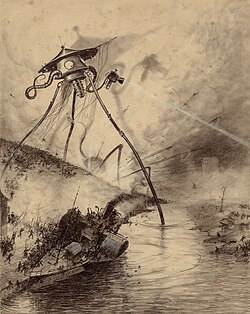
Mary Shelley's 1818 work Frankenstein set the stage for the genre by blending scientific ambition with gothic horror. Later, the works of Jules Verne and H. G. Wells expanded the horizon, introducing concepts like alien invasions and advanced subterranean worlds.

The 20th Century and the Golden Age
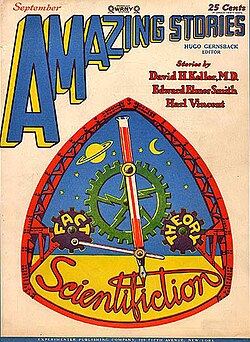
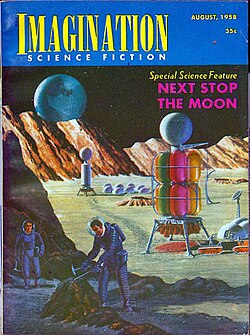
The 20th century saw an explosion of the genre, particularly during the Golden Age of Science Fiction. This era was characterized by the rise of pulp magazines, which brought speculative stories to a mass audience. Hugo Gernsback, a key figure in this movement, coined the term "Scientiction" in 1916.
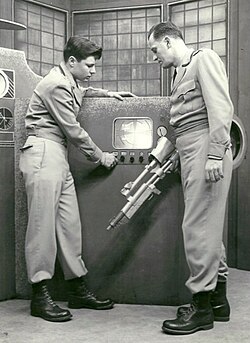
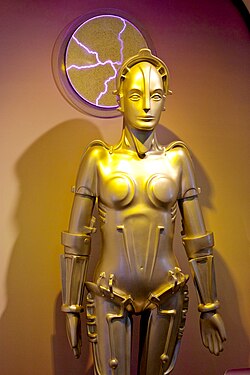
As the century progressed, science fiction moved from the pages of magazines to the silver screen and television. From the robotic visions of Metropolis to the space-faring adventures of Star Trek, the genre became a cultural powerhouse, often serving as protest literature or a means to critique contemporary political systems.
Core Elements of Science Fiction
Science fiction utilizes several recurring motifs to build its imagined worlds. These elements allow authors to distance the reader from their current reality to better examine human nature.
- Temporal Settings: Stories often take place in the far future or within alternative histories.
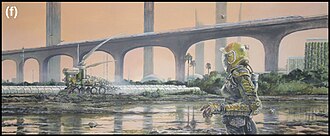
- Exotic Locations: Settings include outer space, other planets, subterranean Earth, or parallel universes.
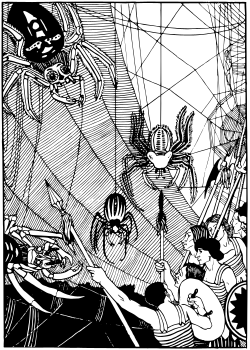
- Biological Speculation: The creation of aliens, mutants, and genetically enhanced humans.
- Speculative Evolution: Imagining how humans or other species might evolve over millions of years.
Science Fiction Summary Table

| Category | Focus/Characteristic | Example/Key Term |
|---|---|---|
| Hard SF | Scientific accuracy and technical detail | Astrophysics, Engineering |
| Soft SF | Social sciences and human behavior | Sociology, Psychology |
| Space Opera | Epic adventure and interstellar travel | Galactic Empires |
| Cyberpunk | Technology's impact on society | AI, Neural Interfaces |
| Climate Fiction | Environmental and ecological issues | Global Warming, Adaptation |
Frequently Asked Questions


What is the difference between hard and soft science fiction?
Hard science fiction prioritizes scientific accuracy and the laws of physics, ensuring that the technology described is plausible. Soft science fiction focuses more on the "soft" sciences, such as sociology, anthropology, and psychology, prioritizing character and societal impact over technical precision.
Who is considered the first science fiction author?
Mary Shelley is often credited as the first true science fiction author for her 1818 novel Frankenstein, which used the scientific premise of galvanism to explore the creation of life.
What is the "Golden Age of Science Fiction"?
The Golden Age refers to a period in the 20th century when the genre experienced a surge in popularity, largely driven by the proliferation of pulp magazines and the work of authors who focused on "hard" scientific speculation and space exploration.
What is climate fiction?
Climate fiction, or "cli-fi," is a subgenre that specifically addresses the effects of climate change and environmental degradation, imagining future worlds shaped by ecological collapse or adaptation.
How does science fiction differ from fantasy?
While both are speculative, science fiction bases its imagined elements on scientific possibility or futuristic technology. Fantasy, conversely, relies on magic, supernatural elements, or mythology that cannot be explained by scientific laws.