Sarsang Reservoir: Water Management and Environmental Impact in the Karabakh Region
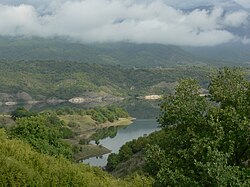
The Sarsang Reservoir stands as a critical piece of infrastructure in the Karabakh Economic Region. Built on the Tartar River between 1976 and 1977 during the tenure of Heydar Aliyev, the reservoir was designed to serve as a cornerstone for regional development, providing essential hydroelectric power and water for agriculture.
With a total water capacity of 575 million m³, it is the largest body of water in the Karabakh Economic Region and the highest dam in Azerbaijan. Its primary function was to provide drinking and irrigation water for approximately 120,000 hectares of fertile land across six key regions: Tartar, Barda, Yevlakh, Aghjabadi, Aghdam, and Goranboy.
The Impact of Conflict on Infrastructure
The strategic importance of the reservoir became evident during the large-scale war between Armenia and Azerbaijan at the end of the 1980s. Following the occupation of Nagorno-Karabakh and adjacent areas, the Sarsang Reservoir became a focal point of military operations. In February 1993, Armenian forces made significant gains in the southern part of the reservoir, eventually taking complete control of the body of water and its 50-megawatt hydroelectric power station by the end of the month.
This takeover not only shifted control of energy production but also blocked the Tartar–Kalbajar road for Azerbaijanis, fundamentally altering the logistics and security of the region.
Humanitarian and Environmental Consequences
Although a Russian-brokered ceasefire was signed on May 12, 1994, the loss of control over the reservoir led to severe long-term challenges for Azerbaijani populations living nearby. The management of water release became a source of instability:
- Artificial Flooding: During autumn and winter, water was released without warning, causing floods in frontline regions.
- Irrigation Shortages: During spring and summer, water flow was decreased, leading to droughts, particularly in the villages of Tartar.
The crisis was exacerbated by the influx of forcibly displaced people settling in frontline areas, which increased the overall demand for water. Furthermore, a lack of maintenance and repair activities created significant safety and humanitarian concerns.
Industrial Pollution and Health Risks
Environmental degradation was further accelerated by industrial activity. The Vallex Group operated copper and gold mines in the village of Heyvali near the reservoir. Toxic waste from these mines was frequently dumped into local rivers without proper waste handling schemes.
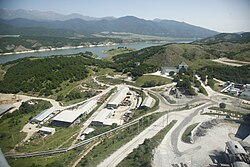
This chemical pollution led to the depletion of local fisheries and caused widespread health issues among the nearby population, including skin infections and gastroenteritis (inflammation of the stomach and intestines). Additionally, the inability to properly utilize the reservoir's water resulted in increased soil salinity and decreased agricultural productivity in Azerbaijani-settled districts.
International Advocacy and Diplomatic Efforts
In May 2013, the Association for the Development of Civil Society in Azerbaijan (AVCIYA) launched the "Sarsang SOS: Prevention of Humanitarian Crisis" campaign to highlight these environmental and humanitarian threats. This effort brought international attention to the region.
Between May 16 and 19, 2014, the Co-Chairs of the OSCE Minsk Group visited the reservoir to discuss water management with the current administration, expressing hope for a joint management solution. Subsequently, in September 2014, the "ArmWaterProject Company Ltd." proposed a new irrigation reservoir project in Karabakh. By 2015, Elkhan Suleymanov, president of AVCIYA and a member of the national delegation to the Assembly, proposed that the Parliamentary Assembly of the Council of Europe (PACE) prepare a draft resolution regarding the Sarsang Reservoir.
Key Facts
- Capacity: 575 million m³ of water.
- Power Generation: 50 megawatts hydroelectric capacity.
- Agricultural Reach: Provided water for 120,000 hectares of land.
- Affected Regions: Tartar, Barda, Yevlakh, Aghjabadi, Aghdam, and Goranboy.
- Pollution Source: Copper and gold mines operated by Vallex Group in Heyvali.
| Feature | Detail |
|---|---|
| Construction Period | 1976–1977 |
| River Location | Tartar River |
| Total Water Capacity | 575 million m³ |
| Electric Capacity | 50 MW |
| Primary Use | Irrigation, Drinking Water, Hydroelectric Power |
Frequently Asked Questions
When was the Sarsang Reservoir constructed?
The reservoir and its hydroelectric power station were constructed between 1976 and 1977.
How did the reservoir affect local agriculture?
It provided essential irrigation and drinking water for approximately 120,000 hectares of fertile land across six regions, including Tartar and Aghdam.
What environmental issues were linked to the Heyvali mines?
Toxic waste from copper and gold mines operated by the Vallex Group was dumped into rivers, leading to the depletion of fisheries and causing skin infections and gastroenteritis in the local population.
What was the "Sarsang SOS" campaign?
Launched in May 2013 by the Association for the Development of Civil Society in Azerbaijan (AVCIYA), it was a campaign designed to draw international attention to the humanitarian and environmental crises caused by the mismanagement of the reservoir.
How did water management change after 1993?
Following the takeover by Armenian forces, water releases became irregular, causing artificial floods in autumn and winter and severe droughts during the spring and summer months.