Santa Fe, Spain: The Historic Cradle of Hispanicity
Nestled in the heart of the Vega de Granada—a fertile plain irrigated by the River Genil—lies the municipality of Santa Fe. Located in the province of Granada within the autonomous community of Andalusia, this town is far more than a scenic Spanish village; it is a site of immense historical significance that helped shape the course of global exploration.
The town's origins are rooted in military necessity. It was originally constructed around 1490 to 1492 by the Catholic armies during the siege of Granada. After a devastating fire destroyed much of their encampment, the armies built a more permanent settlement, which eventually became the town known today.
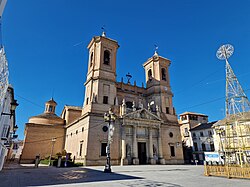
A Turning Point in World History
Santa Fe is famously recognized as the "cradle of hispanicity" due to its role in the late 15th century. Following the fall of Granada on January 2, 1492, the town became the setting for one of history's most pivotal agreements. On April 17, 1492, the Capitulations of Santa Fe were signed between Christopher Columbus and the Catholic Monarchs, providing the legal and financial framework for Columbus's voyage to the Americas.
Global Legacy and Connections
The influence of this Spanish municipality extends across the Atlantic. Santa Fe, Spain, is the joint eponym of Santa Fe, New Mexico, in the United States. This shared heritage is visually preserved in their official iconography; both cities feature a castle, a lion, and the Spanish imperial eagle on their respective flags and official seals.
Key Facts
- Location: Province of Granada, Andalusia, Spain.
- Historical Significance: Site of the signing of the Capitulations of Santa Fe in 1492.
- Geography: Situated in the Vega de Granada and irrigated by the River Genil.
- Population: 15,494 (as of January 1, 2025).
- Total Area: 38.20 square kilometers.
- Elevation: 582 meters above sea level.
Municipal Overview
Today, Santa Fe operates as a judicial district and municipality led by Mayor Juan Cobo Ortiz. The town maintains a population density of approximately 405.6 people per square kilometer, blending its rich military and diplomatic history with modern Andalusian life.
| Attribute | Detail |
|---|---|
| Province | Granada |
| Autonomous Community | Andalusia |
| Postal Code | 18320 |
| Official Language | Spanish |
| Time Zone | UTC+1 (CET) / UTC+2 (CEST) |
| Demonym | santaferino, -na |
Frequently Asked Questions
Why is Santa Fe called the "cradle of hispanicity"?
It earned this title because the Capitulations of Santa Fe, the agreement between Christopher Columbus and the Catholic Monarchs that enabled his voyage to the New World, were signed there on April 17, 1492.
How was the town of Santa Fe originally founded?
The town was built by Catholic armies between 1490 and 1492 during the siege of Granada, following a fire that had destroyed much of their previous encampment.
What is the connection between Santa Fe, Spain, and Santa Fe, New Mexico?
The two cities are joint-eponymous, meaning they share the same name. This connection is further highlighted by the presence of a castle, lion, and Spanish imperial eagle on both of their official seals and flags.
Where is Santa Fe located geographically?
It is located in the province of Granada, Spain, specifically within the Vega de Granada region and is irrigated by the River Genil.
What is the current population of Santa Fe?
As of January 1, 2025, the total population of the municipality is 15,494.