San Juan Province: Argentina's Land of the Sun
Located in the western reaches of Argentina, San Juan Province is a land of dramatic contrasts. Known as "The Land of the Sun," it is characterized by a rugged landscape where arid plains meet the towering peaks of the Andes. From its fertile oases and world-class vineyards to its prehistoric geological formations, San Juan is a vital hub of agriculture, mining, and emerging tourism in the Cuyo region.
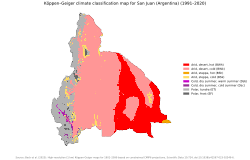
The province is bordered by Chile to the west, and the Argentine provinces of La Rioja, San Luis, and Mendoza. Its geography is defined by a semi-desert climate, where the hot Zonda (a dry foehn wind) shapes the terrain and the melting glacier waters of the Andes feed the rivers that sustain life in the desert.
Key Facts
- Capital: San Juan
- Population: 818,234 (2022 Census)
- Area: 89,651 km²
- Economic Pillars: Wine production, olive oil, mining, and oil.
- Wine Rank: Second largest producer by volume in Argentina and South America.
- HDI: 0.838 (Very High)
History and Resilience
Long before Spanish colonization, the region was inhabited by tribes such as the Huarpes, Diaguitas, Capazanes, Olongastas, and Yacampis, who were heavily influenced by the Inca Empire. The city of San Juan de la Frontera was founded in 1562, though it was moved two kilometers south in 1593 to escape the frequent flooding of the San Juan River.
San Juan played a pivotal role in Argentine independence. In 1814, General Jose de San Martin, the father of Argentine independence, was appointed Governor of the Province of Cuyo. He used San Juan as a critical support base, gathering gold, men, and mules for his legendary crossing of the Andes.
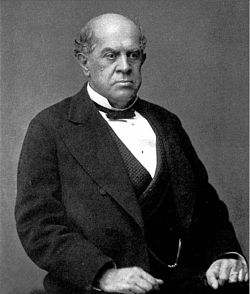
The province is also the birthplace of Domingo Faustino Sarmiento, a novelist and military officer who served as governor in 1862. Sarmiento enacted the nation's first compulsory education laws, which later became national policy when he was elected President of Argentina in 1868.
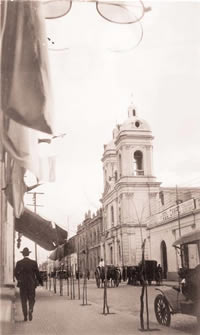
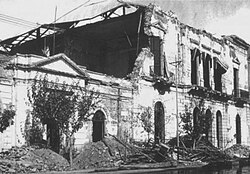
The region's history is also marked by seismic activity. A devastating earthquake in 1944 killed 10,000 people and destroyed much of the capital. Interestingly, the fundraising efforts for the victims led to the meeting of Colonel Juan Perón and Eva Duarte. While another powerful quake struck in 1977, updated construction codes limited the damage, though the Cathedral of San Juan was lost and later replaced by a modernist structure.
Geography and Natural Wonders
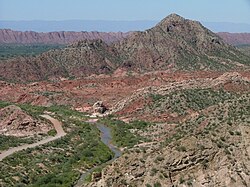
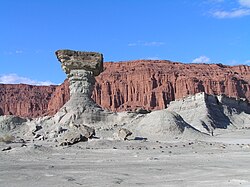
San Juan's terrain transitions from arid eastern plains to 6,000-meter-high peaks in the west. The province is home to extraordinary geological sites, including the 200-million-year-old formations of the Pampa del Leoncito and the Valle de la Luna (Moon Valley) in Ischigualasto Provincial Park.
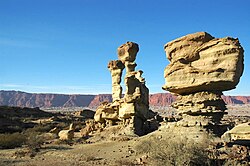
The Jáchal and San Juan rivers are the lifeblood of the province, creating fertile valleys that support the majority of the population. In the north, the Iglesia Basin contains geothermal hot springs, while the high Andes feature widespread permafrost and rock glaciers above 3,000 meters.
Economy and Industry
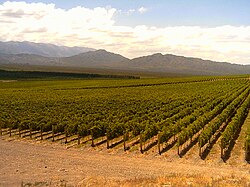
Agriculture is the cornerstone of the local economy, with viticulture (grape growing) being the primary crop. Utilizing advanced artificial irrigation systems, San Juan has become a powerhouse in wine and olive oil production.
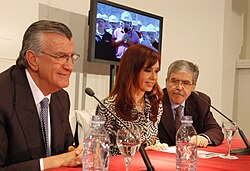
Beyond farming, San Juan is a significant center for mining and energy. The Veladero Project, operated by Barrick Gold, extracts gold, lead, graphite, and clay. In 2007, the company installed the world's highest-situated wind turbine at the Veladero mine, located at nearly 4,200 meters elevation. Energy is primarily generated through hydroelectric dams, such as the Ullum Dam, which also regulates water for irrigation.
Economic Summary
| Sector | Key Products/Features | Significance |
|---|---|---|
| Agriculture | Wine, Olive Oil, Figs, Peaches | 2nd largest wine producer in South America |
| Mining | Gold, Lead, Graphite, Clay | High-altitude extraction (Veladero) |
| Energy | Hydroelectric, Wind, Thermal | World's highest wind turbine |
| Manufacturing | Food processing, Chemicals, Textiles | Approx. 20% of production output |
Tourism and Infrastructure
Tourism is a rapidly growing sector, focusing on ecotourism and adventure. Visitors are drawn to the Mount Mercedario—one of the highest peaks in the Americas—and the cultural traditions of the gauchos in Jáchal. The "Wine Routes" have also popularized agrotourism.
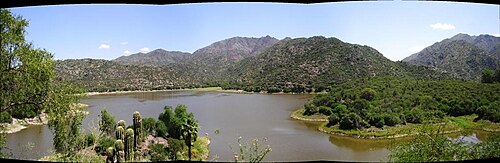
The capital city is often called a "city oasis" due to its modern architecture, wide tree-lined streets, and hardwood parks set against the desert backdrop. For those seeking winter sports, the Manantiales ski resort is under development in Calingasta, aiming to provide some of the largest ski tracks in South America.
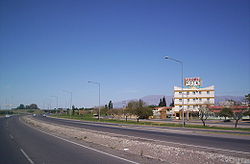
Transportation is well-developed, with National Route 40 (RN40) running north to south and RN150 connecting the province to Chile. A strategic project is underway to connect the Pacific ports of Coquimbo, Chile, with Atlantic ports in Brazil via the Paso de Agua Negra to lower export costs for the Southern Cone.
Frequently Asked Questions
What is the primary economic activity in San Juan?
Agriculture is the most traditional pillar, specifically wine production, where San Juan ranks as the second-largest producer in both Argentina and South America. Mining and oil production are also significant contributors.
What is the "Zonda" wind?
The Zonda is a dry, hot foehn wind characteristic of the Cuyo region that helps model the province's unique clay-rich red soil and geological formations.
How did the 1944 earthquake impact the province?
The 1944 earthquake was highly destructive, killing 10,000 people and destroying most of the capital city. This event led to the implementation of strict new construction codes that mitigated damage during subsequent quakes, such as the one in 1977.
What are the main tourist attractions in San Juan?
Key attractions include the Ischigualasto Provincial Park (Valle de la Luna), the Ullum Dam, Mount Mercedario for climbing, and the modern architecture of the capital city.
Who was Domingo Faustino Sarmiento?
Sarmiento was a novelist and military officer from San Juan who served as governor and later as President of Argentina. He is credited with enacting the country's first compulsory education laws.