San Fernando: Argentina's Nautical Capital
Located in the northern region of Gran Buenos Aires, San Fernando holds the prestigious title of the nautical capital of Argentina. This unique destination is characterized by a striking geographical duality, blending a bustling urban center with the serene, expansive waterways of the Paraná Delta.
Geography and Territorial Layout
San Fernando is divided into two distinct zones that offer vastly different environments. The first is the mainland section, a densely populated area where industrial, commercial, and service sectors predominate. This continental portion consists of the towns of Virreyes, San Fernando, and Victoria, covering a surface area of approximately 23 km (8.9 sq mi).
The second zone comprises the Paraná Delta Islands, specifically the second and third sections of the delta. This aquatic landscape is immense, spanning approximately 950 km (370 sq mi). The city is strategically bordered by the neighboring districts of San Isidro and Tigre.
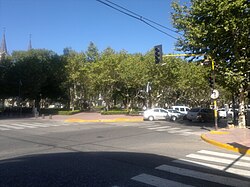
Regional Connectivity
San Fernando is well-positioned within the province, providing easy access to major urban hubs. It is located 28 km from the City of Buenos Aires and 95 km from the City of La Plata.
Climate and Weather Patterns
The climate in San Fernando is characterized by moderate temperatures and significant annual rainfall. Based on data from the Servicio Meteorológico Nacional (1991–2020), the region experiences its warmest temperatures in January, with a record high of 41.2°C (106.2°F). Conversely, the coldest periods occur during July, where the mean daily minimum drops to 6.2°C (43.2°F).
Precipitation is distributed throughout the year, totaling an average of 1,143.9 mm (45.04 inches) annually. The highest rainfall typically occurs between December and March, while the driest period is generally around June. Relative humidity remains relatively high, averaging 72.8% across the year.
| Metric | Annual Average / Record |
|---|---|
| Total Annual Precipitation | 1,143.9 mm (45.04 in) |
| Average Relative Humidity | 72.8% |
| Record High Temperature | 41.2°C (106.2°F) |
| Record Low Temperature | -5.4°C (22.3°F) |
| Average Precipitation Days | 82.2 days |
Key Facts
- Official Status: Recognized as the nautical capital of Argentina.
- Composition: Split between a mainland urban area and the Paraná Delta Islands.
- Delta Size: The island section covers approximately 950 km (370 sq mi).
- Mainland Towns: Includes Virreyes, San Fernando, and Victoria.
- Proximity: Situated 28 km from the City of Buenos Aires.
Frequently Asked Questions
What makes San Fernando the nautical capital of Argentina?
San Fernando earns this title due to its strategic location and its extensive jurisdiction over the second and third sections of the Paraná Delta Islands, making it a hub for boating and water-based activities.
Which towns make up the continental area of San Fernando?
The mainland section of the city is composed of three primary towns: Virreyes, San Fernando, and Victoria.
What is the total surface area of the Delta section?
The Delta section of San Fernando covers approximately 950 km (370 sq mi).
When is the rainiest time of year in San Fernando?
The highest average precipitation occurs during the summer months, specifically January (122.6 mm) and March (119.2 mm).
How far is San Fernando from the City of La Plata?
San Fernando is located 95 km from the City of La Plata.