Samuel Taylor Coleridge: The Visionary Architect of English Romanticism
Samuel Taylor Coleridge was a towering figure of the English Romantic movement—a poet, philosopher, theologian, and critic whose intellectual curiosity spanned the breadth of human experience. Alongside his close friend William Wordsworth, Coleridge helped redefine the landscape of English literature, moving away from the rigid structures of the 18th century toward a focus on emotion, nature, and the supernatural.
From the haunting imagery of a cursed sailor to the fragmented dreams of a Mongol emperor's palace, Coleridge's work continues to captivate readers with its psychological depth and linguistic innovation.
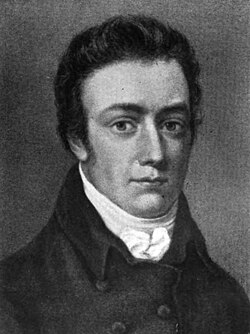
Key Facts
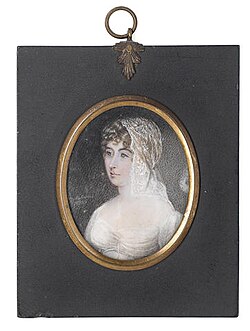
- Role: Co-founder of the Romantic Movement in England and member of the Lake Poets.
- Masterpieces: Author of The Rime of the Ancient Mariner and Kubla Khan.
- Intellectual Contribution: Wrote Biographia Literaria, a seminal work of literary theory and criticism.
- Personal Struggle: Battled a severe lifelong addiction to laudanum (opium).
- Legacy: His religious and philosophical writings deeply influenced 19th-century Anglicanism and the Oxford Movement.
Early Life and Academic Turmoil
Born on October 21, 1772, in Ottery St Mary, Devon, Samuel was the youngest of ten children born to the Reverend Mr. Coleridge and Anne Bowden. A precocious child, he eschewed typical boyish sports in favor of incessant reading. Following his father's death in 1781, he attended Christ's Hospital, a charity school in London, where he formed a lifelong bond with fellow student Charles Lamb.
Coleridge later attended Jesus College, Cambridge, from 1791 to 1794. His time there was marked by both brilliance and instability; while he won the Browne Medal in 1792 for an ode attacking the Atlantic slave trade, he eventually left the college without a degree. In a strange turn of events, he briefly enlisted in the British Army's 15th Light Dragoons under the pseudonym "Silas Tomkyn Comberbache," though he was discharged shortly after on grounds of "insanity."
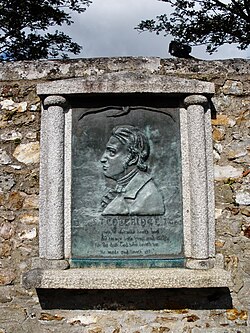
The Golden Years in Somerset
The late 1790s represented the most productive period of Coleridge's life. After meeting William and Dorothy Wordsworth in 1795, Coleridge settled in Nether Stowey, Somerset. This collaboration sparked a revolution in poetry, emphasizing the "conversation poem"—a relaxed, intimate style of verse seen in works like Frost at Midnight and The Nightingale.
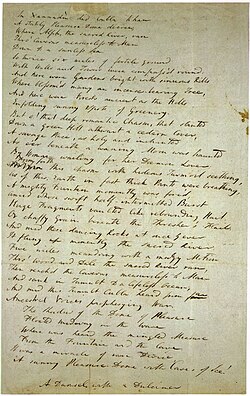
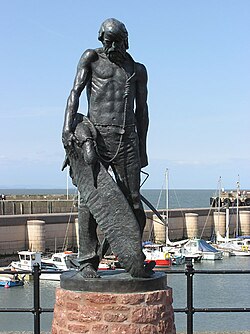
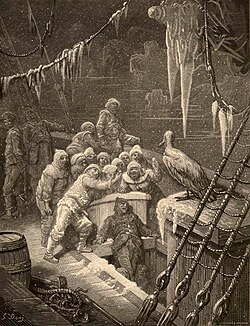
During this time, he produced some of his most enduring works. The Rime of the Ancient Mariner explored themes of guilt and nature, while Kubla Khan was famously composed during an opium-induced reverie. Coleridge claimed the latter was interrupted by "a person on business from Porlock," leaving the poem a brilliant, haunting fragment.
Philosophical Pursuits and Personal Decline
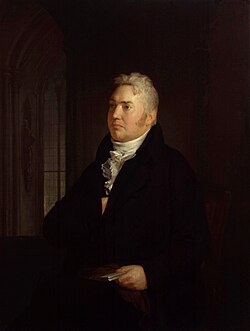
Coleridge's life was not without profound struggle. Despite a brief foray into the ministry as a Unitarian preacher in Shropshire, he was steered away from the clergy by an annuity offered by Josiah Wedgwood II. However, the pressures of his life and health led to a devastating addiction to laudanum, a tincture of opium. By the early 19th century, he was consuming up to two quarts a week.
This addiction fractured his personal life, leading to a separation from his wife, Sara Fricker, in 1808 and a falling out with Wordsworth in 1810. Despite these hardships, his intellectual output remained significant. He delivered influential lectures on Shakespeare and Milton in London, which helped revive interest in the playwright as a model for modern writers.
Final Years and Literary Legacy
In his later years, while residing with the Gillmans, Coleridge completed Biographia Literaria (1817), a complex blend of autobiography and literary theory. He also produced significant theological works, including Lay Sermons and Aids to Reflection, which shaped the religious thinking of the mid-19th century.
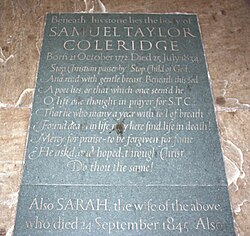
Coleridge passed away on July 25, 1834, at the age of 61 in Highgate, Middlesex. His influence extended far beyond his poetry, impacting the Oxford Movement and the development of English literary criticism.
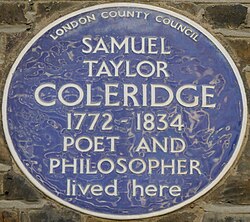
Summary of Coleridge's Life and Work
| Category | Details |
|---|---|
| Lifespan | 1772–1834 |
| Key Movements | Romanticism, Lake Poets |
| Major Poems | The Rime of the Ancient Mariner, Kubla Khan, Christabel |
| Major Prose | Biographia Literaria |
| Education | Christ's Hospital, Jesus College (Cambridge) |
| Spouse | Sara Fricker (m. 1795) |
Frequently Asked Questions
What is the significance of the "person from Porlock"?
According to Coleridge, he was in the process of writing the poem Kubla Khan after waking from an opium-induced dream when he was interrupted by a visitor from the town of Porlock. By the time the visitor left, Coleridge had forgotten the remaining lines of the poem, leaving it as a fragment.
What were the "conversation poems"?
Conversation poems are a genre Coleridge helped pioneer. They are characterized by a relaxed, natural tone, often addressing a friend or loved one, and blending personal reflection with observations of nature.
How did opium affect Coleridge's life?
Coleridge developed a severe addiction to laudanum, which caused significant health problems, including severe constipation, and contributed to the breakdown of his marriage and his friendship with William Wordsworth.
What is Biographia Literaria?
Published in 1817, Biographia Literaria is a major work of literary criticism and autobiography. In it, Coleridge explores his theories on the imagination and the nature of poetry.
Did Coleridge ever graduate from university?
No. Although he attended Jesus College, Cambridge, he left without receiving a degree, partly due to financial debts and personal instability.