Salt Lake City Public Transit
Navigating the Wasatch Front is made efficient through a diverse network of public transportation options. Nearly all transit services in the region are operated by the Utah Transit Authority (UTA), providing a multi-modal system that integrates light rail, commuter rail, streetcars, and an extensive bus network to connect residents and visitors across Salt Lake County and beyond.
Key Facts
- TRAX is a 45-mile light rail system with 52 stations.
- FrontRunner is an 88-mile commuter rail connecting Ogden to Provo.
- The S Line is a 2-mile streetcar connecting South Salt Lake to Sugar House.
- Free Fare Zone provides complimentary bus and light rail service within downtown Salt Lake City and up to the State Capitol.
- UTA Bus services cover the Salt Lake Valley and the entire length of the Wasatch Front.
TRAX Light Rail
Officially known as Transit Express, TRAX is a light rail system—a type of urban rail transit that operates on fixed tracks—serving Salt Lake County. Approved in 1995 in preparation for the 2002 Winter Olympics, the system first began service on December 4, 1999.
The network has expanded significantly over the decades. It currently links downtown Salt Lake City with Draper, with a dedicated line to the University of Utah completed in 2001 and extended to the Health Sciences Center in 2003. Further expansions reached West Valley City and South Jordan in 2011. In 2013, the system added a critical link to the Salt Lake City International Airport in April and an extension from Sandy to Draper in August.
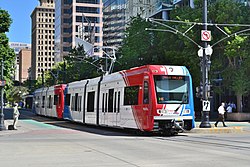
Future developments for TRAX include a planned line connecting the Airport extension to the South Jordan extension along SR-172 (5600 West). Long-term visions also suggest potential extensions into northern Utah County and southern Davis County.
FrontRunner Commuter Rail
The FrontRunner is a commuter rail line designed for longer distances, running along the Wasatch Front urban corridor. Spanning 88 miles with 16 stations, it provides a vital link between Ogden and Provo via Salt Lake City.
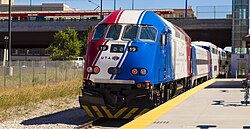
Construction began on August 10, 2005, with the first segment opening to Ogden on April 26, 2008. While service was briefly extended to Pleasant View in September 2008, service north of Ogden was cancelled in August 2018. The southern extension to Provo opened on December 10, 2012. Looking ahead to 2040, the line is expected to expand further to reach Santaquin in southern Utah County and Brigham City in Box Elder County.
UTA Bus Services
Complementing the rail systems, the UTA bus network offers the most comprehensive coverage, reaching nearly every part of Salt Lake City and various points throughout the Salt Lake Valley and the broader Wasatch Front.
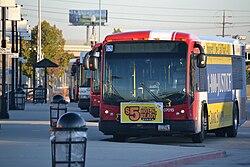
Beyond standard routes, UTA provides specialized services including:
- Paratransit: Curbside pickup for disabled riders.
- Express Buses: High-speed connections between Salt Lake City and major suburbs.
- Winter Service: Dedicated transportation to ski resorts in the Wasatch Range.
The S Line Streetcar
The S Line, originally known as the Sugar House Streetcar, began service in December 2013. A streetcar is a lower-speed, lower-capacity rail system compared to light rail, designed for shorter urban trips.
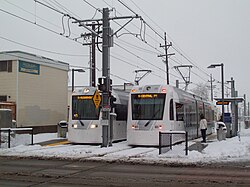
This two-mile line runs along 2300 South, connecting the Central Pointe TRAX station in South Salt Lake with the Sugar House business district. The project, which cost between $40 million and $50 million, was intended to stimulate property development and increase land value in the surrounding areas. Funding included $2.5 million from the city of Salt Lake and federal grants.
Transit Summary Table
| Service | Type | Length | Key Reach |
|---|---|---|---|
| TRAX | Light Rail | 45 miles | SLC Airport, Draper, University of Utah |
| FrontRunner | Commuter Rail | 88 miles | Ogden to Provo |
| S Line | Streetcar | 2 miles | South Salt Lake to Sugar House |
Regional Connectivity
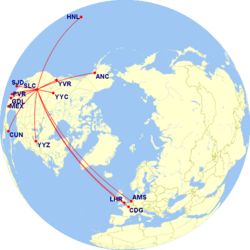
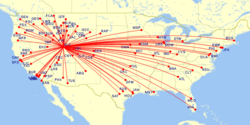
While UTA manages local transit, Salt Lake City also serves as a hub for broader travel. Nonstop routes connect the city to various destinations across the contiguous United States and international locations.
Frequently Asked Questions
Is public transit free in any part of Salt Lake City?
Yes, UTA operates a Free Fare Zone where bus and light rail services are complimentary within downtown Salt Lake City and the adjacent area up to the State Capitol.
What is the difference between TRAX and the S Line?
TRAX is a high-capacity light rail system designed for longer urban commutes across the county, while the S Line is a lower-speed, lower-capacity streetcar intended for shorter trips within a specific business district.
Where does the FrontRunner commuter rail go?
The FrontRunner currently runs from Ogden to Provo, passing through Salt Lake City along the Wasatch Front urban corridor.
Does UTA provide transportation to ski resorts?
Yes, UTA offers specialized winter bus services to the ski resorts located in the Wasatch Range.
How can disabled riders access UTA services?
UTA provides a dedicated paratransit service that offers curbside pickup for riders with disabilities.