Saint Pierre and Miquelon Climate
The climate of Saint Pierre and Miquelon is characterized by its dampness, frequent winds, and a distinct seasonal cycle. Located in the North Atlantic, the region experiences long, harsh winters and a variable transition into the warmer months. While the environment can be challenging, the shift from the foggy cool of early summer to the sunny days of late summer provides a diverse meteorological experience.
Seasonal Weather Patterns
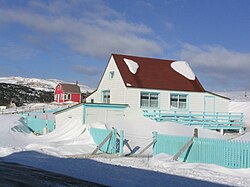
Weather in Saint Pierre and Miquelon fluctuates significantly throughout the year. Winters are notably severe and prolonged, often bringing heavy snowfall and biting winds. As the region transitions into spring and early summer, the atmosphere remains cool and is frequently shrouded in fog.
The most pleasant weather typically occurs during late summer and early autumn, which are characterized by increased sunshine. However, residents and visitors should be aware that wind speeds tend to increase during the transitional periods of spring and autumn.
Key Facts
- Annual Precipitation: The region receives an average of 1,323.5 mm of rain per year, significantly higher than the national average.
- Winter Severity: Snow is common, with an average of 99 snowy days per year.
- Sunshine: The area records approximately 1,427 annual sunshine hours.
- Temperature Extremes: Record temperatures range from a high of 28.3°C (82.9°F) to a low of -18.7°C (-1.7°F).
- Fog Frequency: Fog is a frequent occurrence, averaging 100.8 days per year.
Comparative Climate Data
When compared to other French locations and the national average, Saint Pierre and Miquelon stands out for its high precipitation and frequent snowfall. While cities like Nice enjoy significantly more sunshine and almost no snow, Saint Pierre faces a much more rigorous maritime climate.
| Town | Sunshine (hours/yr) | Rain (mm/yr) | Snow (days/yr) | Storm (days/yr) | Fog (days/yr) |
|---|---|---|---|---|---|
| National average | 1,973 | 770 | 14 | 22 | 40 |
| Saint Pierre and Miquelon | 1,427 | 1,323.5 | 99.0 | 6.6 | 100.8 |
| Paris | 1,661 | 637 | 12 | 18 | 10 |
| Nice | 2,724 | 767 | 1 | 29 | 1 |
| Strasbourg | 1,693 | 665 | 29 | 56 | - |
| Brest | 1,605 | 1,211 | 7 | 12 | 75 |
Monthly Temperature and Precipitation Trends
Based on Météo France data from 1981–2010, the region's temperatures peak in August with a mean daily maximum of 18.7°C (65.7°F). Conversely, February is typically the coldest month, with a mean daily minimum of -5.7°C (21.7°F).
Precipitation is distributed throughout the year, but there is a noticeable increase in the autumn months. September records the highest average monthly precipitation at 141.4 mm, followed closely by October and November.
Frequently Asked Questions
What is the coldest month in Saint Pierre and Miquelon?
February is generally the coldest month, with a mean daily minimum temperature of -5.7°C (21.7°F) and a record low of -18.7°C (-1.7°F).
How much snow does the region typically receive?
The region experiences an average of 99 snowy days per year, with the heaviest snowfall occurring between November and March.
When is the best time to visit for sunny weather?
Late summer and early fall are the sunniest periods. August typically sees the highest amount of sunshine with approximately 173.5 hours.
Is Saint Pierre and Miquelon a rainy place?
Yes, it is very damp. It receives an average of 1,323.5 mm of rain annually, which is significantly higher than the French national average of 770 mm.
How common is fog in the area?
Fog is very common, occurring on average 100.8 days per year, particularly during the spring and early summer months.