Saint John the Baptist: The Life, Legacy, and Veneration of the Forerunner
Known as the Forerunner, Saint John the Baptist remains one of the most pivotal figures in religious history. Revered across multiple faiths—including Christianity, Islam, the Baháʼí Faith, the Druze faith, and Mandaeism—John is primarily remembered for his role in preparing the way for the Messiah and for the baptism of Jesus Christ. His life, marked by asceticism and a fearless commitment to truth, culminated in a dramatic execution that has inspired centuries of art and devotion.
Born around 6 BC in the Herodian Kingdom of Judea, John's early life and mission are detailed across the New Testament Gospels and the writings of the historian Josephus. He is characterized as a prophet who lived in the wilderness, preaching repentance and a return to spiritual purity.
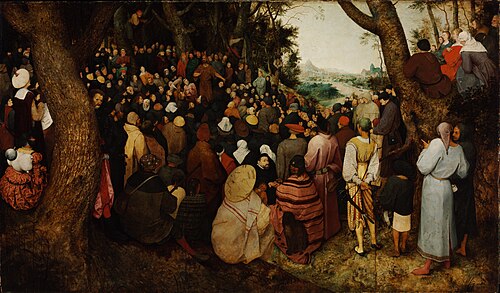
Key Facts
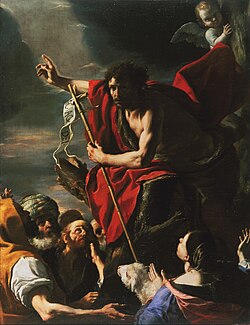
- Born: c. 6 BC in the Herodian Kingdom of Judea.
- Died: c. AD 30 at the fortress of Machaerus.
- Cause of Death: Decapitation.
- Primary Role: Prophet and precursor to Jesus Christ.
- Cross-Faith Veneration: Honored in Christianity, Islam (as Yahya), Mandaeism, and other faiths.
- Major Feast Days: June 24 (Nativity) and August 29 (Beheading).
Biblical and Historical Narratives
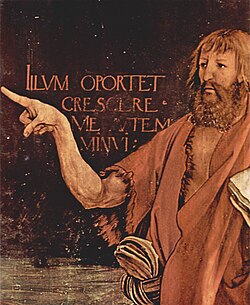
The Gospel Accounts
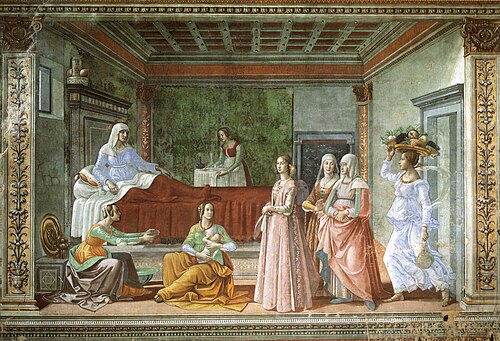
The four Gospels provide complementary perspectives on John's identity. In the Gospel of Luke, his birth is presented as a miraculous event, with his father Zechariah receiving a divine prophecy. John is often identified with the spirit and power of Elijah, fulfilling prophecies found in the Book of Malachi and Isaiah.
John's public ministry focused on baptism—a ritual of immersion in water symbolizing repentance. His most significant act was the baptism of Jesus, an event that marked the beginning of Jesus' public mission.
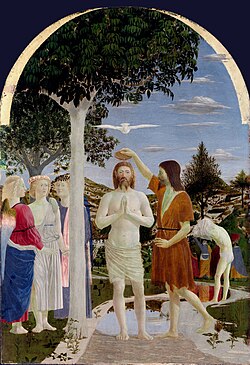
The Account of Josephus
Beyond the Bible, the Jewish historian Flavius Josephus mentions John in Antiquities of the Jews. Josephus describes John as a good man who commanded the Jews to exercise virtue and repentance, but notes that King Herod beheaded him out of fear that John's influence might lead to a rebellion.
Imprisonment and Execution
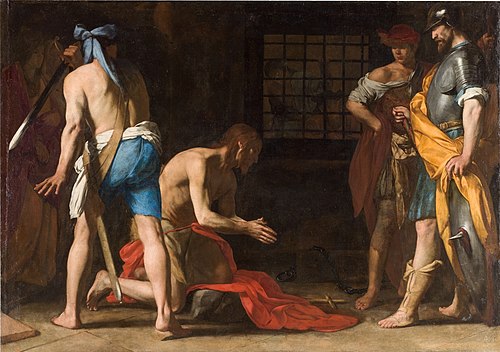
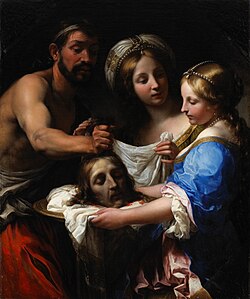
John's uncompromising critique of Herod Antipas's marriage to his brother's wife led to his imprisonment. According to the Gospels of Matthew and Mark, John was executed by decapitation at the request of Salome, who had danced for Herod.
Global Veneration and Religious Perspectives
Christianity
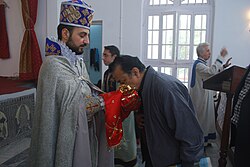
In the Catholic and Orthodox traditions, John is venerated as a saint and a prophet. The Catholic Church observes two primary feast days: the Nativity on June 24 and the Beheading on August 29. Eastern Orthodox traditions include additional commemorations, such as the Synaxis on January 7.
Islam
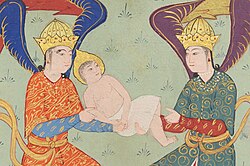
In Islam, John is known as Yahya. He is mentioned in the Quran as a prophet granted wisdom while still a child and commanded to hold firmly to the Scriptures. He is regarded as a teacher of monotheism and a righteous servant of God.
Mandaeism and Other Faiths
For Mandaeans, John the Baptist is a central figure and a great teacher. Their traditions emphasize his role in the "World of Light" and his teachings on baptism as a spiritual cleansing.
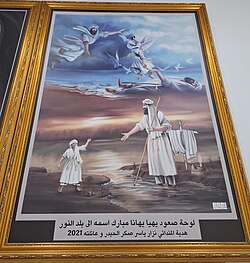
Relics and Sacred Sites
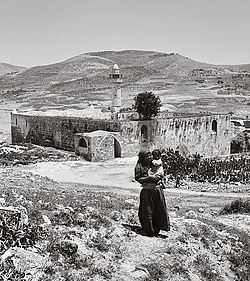
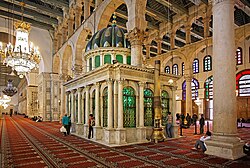
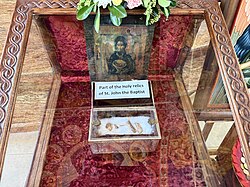
Due to his immense significance, numerous sites and objects are claimed to be associated with John the Baptist. These relics are distributed globally, reflecting the spread of his influence.
| Location | Significance | Tradition/Relic |
|---|---|---|
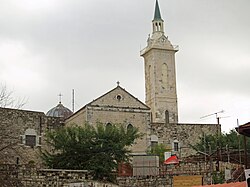
| Jerusalem | Church of Saint John the Baptist | Major shrine of veneration |
| Damascus, Syria | Umayyad Mosque | Purported housing of John's head |
| Sebastia, Nablus | Nabi Yahya Mosque | Traditional burial site |
| Aachen, Germany | Aachen Cathedral | Venerated relics |
| Chinsurah, India | St. John the Baptist Church | Relic of the right hand |
| Lower Egypt | Coptic Monastery | Purported site of his bones |
Influence on Art and Culture
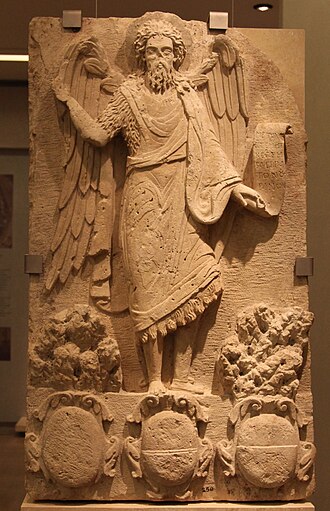
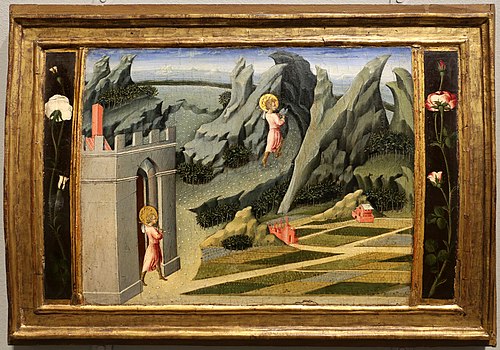
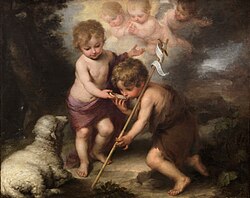
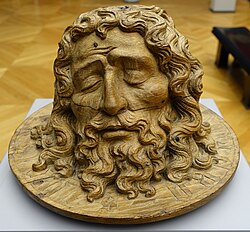
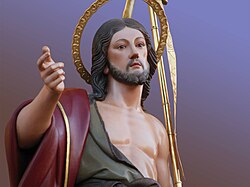
The life of John the Baptist has provided endless inspiration for artists. From the early Byzantine limestone reliefs to the High Renaissance works of Leonardo da Vinci and Titian, John is often depicted in two distinct ways: as the rugged ascetic in the desert wearing camel hair, or as the tragic figure of the beheading.
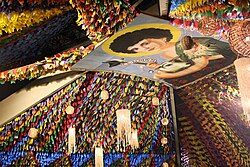
Beyond visual art, his legacy persists in music, poetry, and local festivals, such as the Saint John Festival in Campina Grande, Brazil, which blends religious devotion with cultural celebration.
Frequently Asked Questions
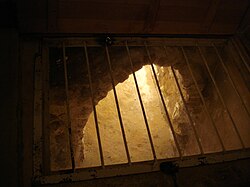
![Saint Karapet Monastery, where Armenian tradition holds that his remains were laid to rest by Gregory the Illuminator[113][114]](/images/27/22/2722884c0db2bc667175210073deb523ad13721df11f66d74b1f05cfbc43fa80.jpg)
Who was Saint John the Baptist?
Saint John the Baptist was a prophet and ascetic who preached repentance in the Judean wilderness and is most famous for baptizing Jesus Christ, serving as the precursor to his ministry.
Why is he called the "Forerunner"?
He is called the Forerunner because his mission was to "prepare the way of the Lord," announcing the coming of the Messiah to the people of Israel.
How did John the Baptist die?
John was beheaded by order of King Herod Antipas at the fortress of Machaerus, following a request made by Salome.
Is John the Baptist recognized in religions other than Christianity?
Yes, he is highly revered in Islam as the prophet Yahya, and he is a central figure in Mandaeism, as well as being recognized in the Baháʼí and Druze faiths.
What are the primary symbols associated with him in art?
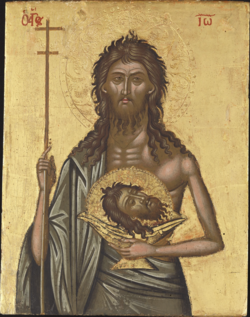
Common attributes include camel-hair clothing, a staff, and often a lamb or a platter containing his severed head.