Russo-Japanese War: The Conflict That Reshaped East Asia
The Russo-Japanese War, fought from February 8, 1904, to September 5, 1905, was a pivotal conflict that pitted the Russian Empire against the Empire of Japan. Driven by rival imperial ambitions in Manchuria and the Korean Empire, this war marked a significant shift in global power, as it was one of the first times in the modern era that an Asian power defeated a European empire in a full-scale war.
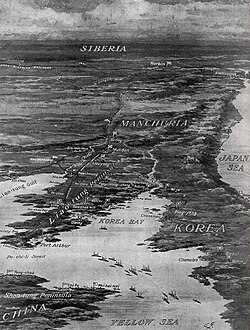
The conflict was characterized by brutal land battles on the Liaodong Peninsula and in Southern Manchuria, complemented by decisive naval engagements in the Yellow Sea and the Sea of Japan.
![This anti-Russian satirical map was produced by a Japanese student at Keio University during the Russo–Japanese War. It follows the design used for a similar map first published in 1877.[8]](/images/35/b4/35b46dba06cb426b4658134384b5005b4759df6d8ffeec5d7ddee73e9ea0157d.jpg)
Key Facts
- Duration: 1 year, 6 months, and 4 weeks.
- Primary Locations: Manchuria, Korea, the Yellow Sea, and the Sea of Japan.
- Outcome: Decisive Japanese victory.
- Major Treaty: The Treaty of Portsmouth (1905).
- Territorial Changes: Southern Sakhalin became Karafuto Prefecture, and Kvantunskaya Oblast became the Kwantung Leased Territory.
Historical Background and Origins
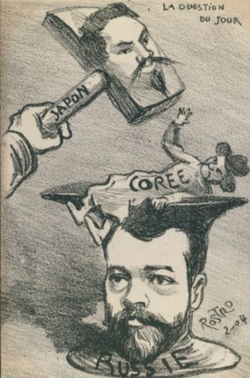
The roots of the war lay in the rapid modernization of Japan during the Meiji era, which led the nation to seek its own sphere of influence in East Asia. This ambition clashed directly with Russia's eastern expansion into the same regions.
Tensions escalated following the First Sino-Japanese War (1894–95) and the Boxer Rebellion, as Russia continued to encroach upon territories Japan considered vital to its security. Despite pre-war negotiations, the two empires could not reach an agreement on the status of Manchuria and Korea.
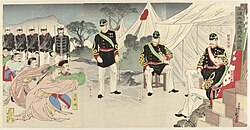
Military Readiness and Ship Distribution
At the onset of the war, the two nations possessed vastly different naval distributions. Russia had a larger total number of ships spread across the Baltic, Pacific, and Black Seas, while Japan's fleet was concentrated and modernized for the specific theater of war.
| Ship Type | Russian Empire (Total) | Empire of Japan (Total) |
|---|---|---|
| Battleships | 21 (5 active) | 7 |
| Armoured Cruisers | 8 | 16 (2 active) |
| Cruisers | 13 (5 active) | 16 (2 active) |
| Destroyers | 51 (4 active) | 19 (3 active) |
| Torpedo Boats | 80 (1 active) | 77 (8 active) |
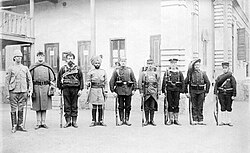
The Campaign of 1904: Sieges and Land Battles
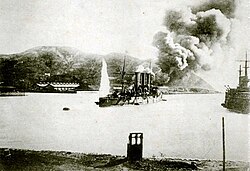
The war began with a surprise Japanese attack on the Russian fleet at Port Arthur. This led to a prolonged blockade and a grueling siege of the fortress. The Japanese forces utilized intelligence cooperation with Great Britain to track Russian movements.
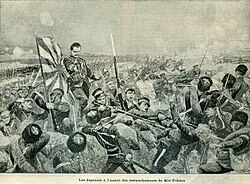
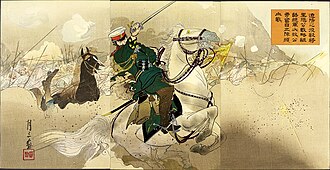
On land, the Japanese infantry pushed through Korea and into Manchuria. Key engagements included the Battle of the Yalu River and the Battle of Liaoyang. The fighting was characterized by high casualties and the use of entrenched positions.
The Campaign of 1905: Decisive Blows
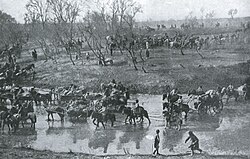
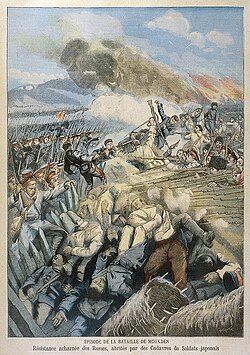
By 1905, the conflict reached its climax. The Battle of Mukden became one of the largest land battles in history up to that point, resulting in a Japanese victory and a chaotic Russian retreat.
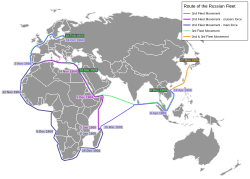
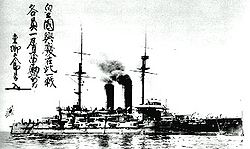
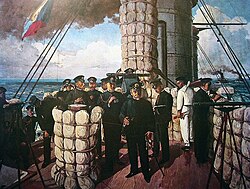
The most decisive moment of the war occurred at sea. The Russian Baltic Fleet attempted a massive redeployment to the Pacific, traveling halfway around the world only to be intercepted by Admiral Tōgō Heihachirō at the Battle of Tsushima. The Japanese victory here effectively destroyed the Russian naval presence in the East.
Peace and Aftermath
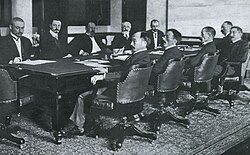
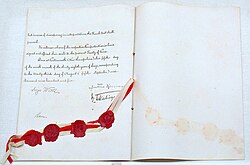
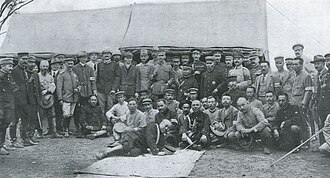
Exhausted by the conflict and facing internal political unrest, Russia agreed to peace negotiations. The Treaty of Portsmouth, signed on September 5, 1905, officially ended the war. The negotiations were held in the United States and involved key diplomats such as Sergei Witte for Russia and Komura Jutarō for Japan.
Human and Material Cost
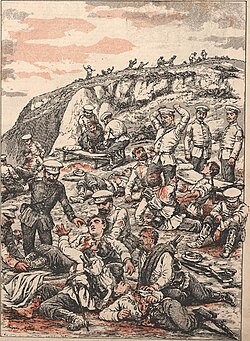
The war was devastating for both sides, though Russian losses were significantly higher. Russia suffered between 80,378 and 99,000 deaths, with a substantial number caused by disease. Japan's total deaths ranged from 43,300 to 71,453.
Global Significance
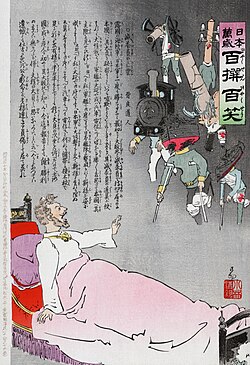
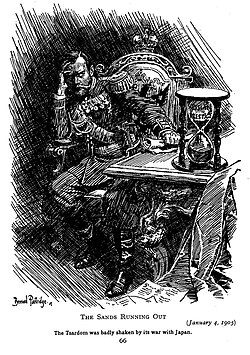
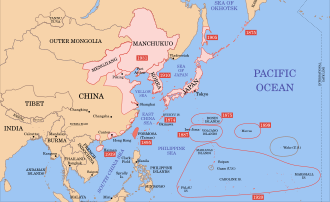
The war had profound political consequences. For Russia, the defeat led to a loss of international prestige and contributed to internal instability. For Japan, the victory solidified its status as a world power and expanded its territorial control over Korea and parts of Manchuria.
Frequently Asked Questions
Who won the Russo-Japanese War?
The Empire of Japan won the war, achieving a decisive victory both on land in Manchuria and at sea during the Battle of Tsushima.
What was the Treaty of Portsmouth?
The Treaty of Portsmouth was the peace agreement signed on September 5, 1905, which ended the war and established the territorial changes in Sakhalin and Manchuria.
What was the significance of the Battle of Tsushima?
The Battle of Tsushima was a decisive naval victory for Japan that virtually eliminated the Russian Empire's naval capabilities in the Pacific, forcing Russia to negotiate for peace.
Why did the war start?
The war was caused by competing imperial ambitions between Russia and Japan over the control and influence of Manchuria and the Korean Empire.
How did the war affect Russia's global standing?
The defeat caused a significant loss of prestige for the Russian Empire, exposing military weaknesses and contributing to domestic political unrest.