Rosario: The Vibrant Heart of Santa Fe, Argentina
Known as the "Birthplace of the Argentine Flag" and often referred to as the "Argentine Chicago," Rosario is a powerhouse of culture, commerce, and history. Located in the province of Santa Fe, it stands as the third-largest city in Argentina, blending a rich industrial heritage with a modern, cosmopolitan spirit.
From its strategic position on the Paraná River to its status as a global sporting cradle, Rosario is a city of immense scale and diversity. Whether it is the architectural grandeur of its monuments or the bustling activity of its port, the city reflects the ambition and resilience of the Argentine people.
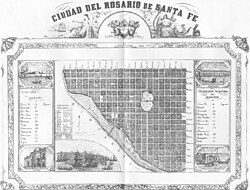
Key Facts
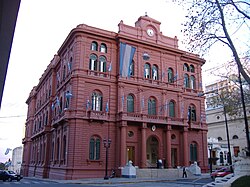
- Population: Approximately 1,276,000 (City/Municipality) and 1,613,041 in the metropolitan area.
- Economic Standing: A GDP (PPP) of $37.9 billion (2023), with a per capita GDP of $23,700.
- Global Fame: Birthplace of football legend Lionel Messi.
- Geography: Situated at an elevation of 31 meters, covering an area of 178.69 km².
- Administrative Hub: Governed by the Municipality of Rosario, currently led by Intendant Pablo Javkin.
History and Urban Evolution
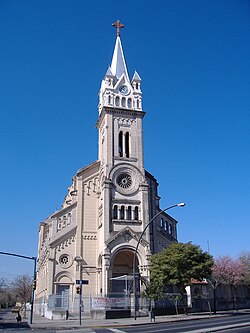
Rosario's growth is inextricably linked to its geography. The development of the port transformed the settlement into a critical trade hub, facilitating the export of agricultural goods and the import of industrial machinery.
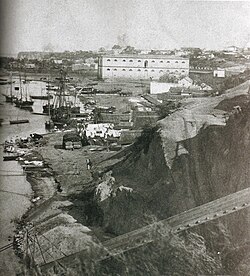
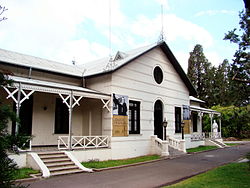
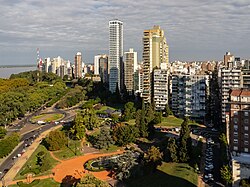
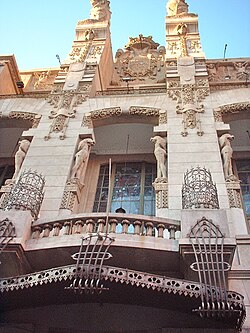
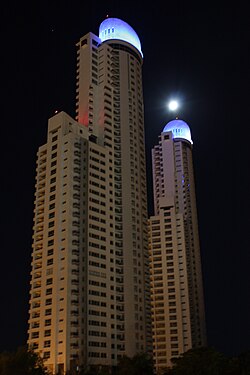
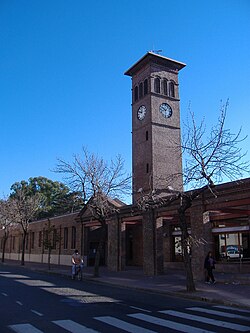
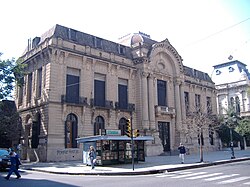
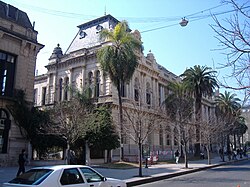
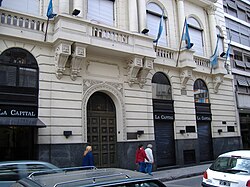
Throughout the 19th and 20th centuries, the city expanded rapidly. This growth is evident in its architectural layers, from the old Customs Office on Belgrano Avenue to the modern luxury of the Dolfines Guaraní Towers.
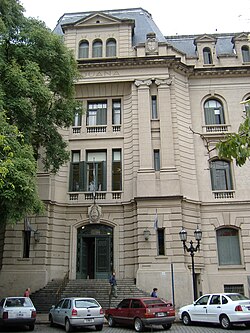
Cultural Landmarks and Tourism
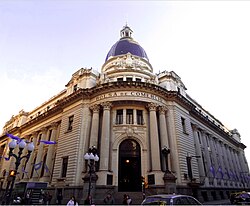
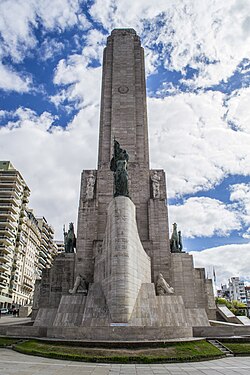
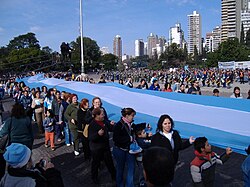
Rosario is a city of monuments and museums. The most prominent is the National Flag Memorial, a massive complex commemorating the adoption of the Argentine flag.
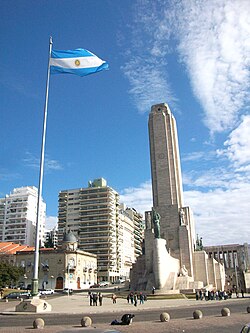
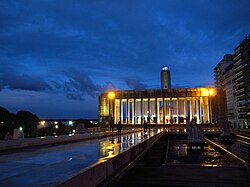
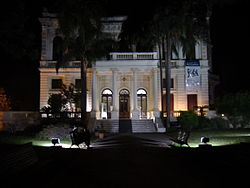
The memorial's Propylaeum (a monumental column gallery) offers a striking architectural experience, especially when illuminated at night.
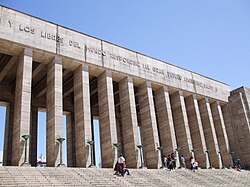
Beyond the monuments, the city boasts a rich array of cultural institutions:
- Arts and Museums: The Museum of Contemporary Art of Rosario (MACRo), the Municipal Museum of Rosario, and the Juan B. Castagnino Fine Arts Museum.
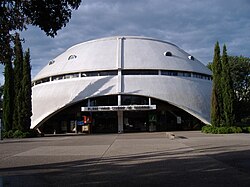
- Science and Education: The Planetarium of Rosario and the National University of Rosario.
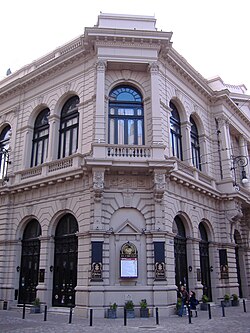
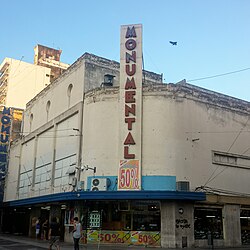
- Performing Arts: The historic El Círculo Theatre and the Cine Monumental.
City Structure and Administration
The city is organized into six distinct municipal districts, each serving as a hub for local administration and community services.
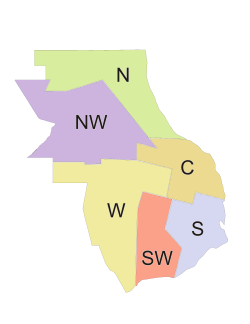
| District | Population | Area (km²) | Density (inhab/km²) |
|---|---|---|---|
| Centre | 261,047 | 20.37 | 12,815 |
| North | 131,495 | 35.02 | 3,744 |
| Northwest | 144,461 | 44.14 | 3,273 |
| West | 106,356 | 40.21 | 2,645 |
| Southwest | 103,446 | 20.19 | 5,123 |
| South | 160,771 | 18.76 | 8,569 |
Transportation and Infrastructure
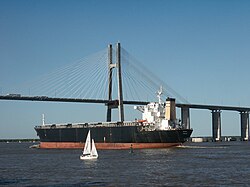
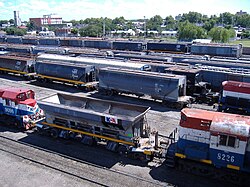
Rosario is a critical node for Argentine transport. The Port of Rosario remains a vital economic engine, handling massive shipments along the Paraná River.
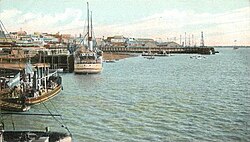
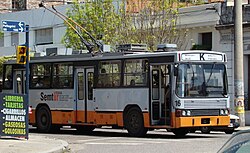
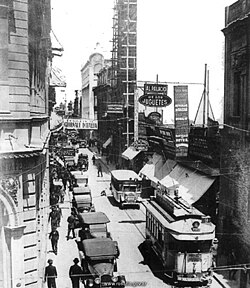
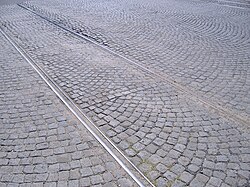
The city's transit network has evolved from a tramway system (which operated until 1963) to a modern mix of trolleybuses and extensive road networks. The Rosario-Victoria Bridge serves as a key link to neighboring regions.
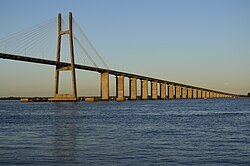
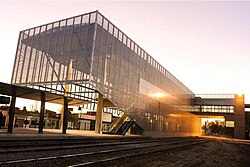
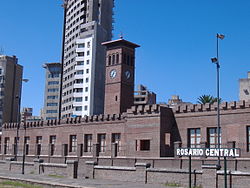
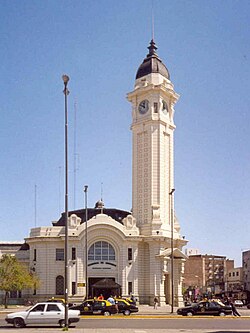
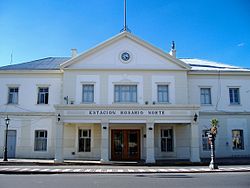
Rail transport is managed through several stations, with Rosario Norte and Rosario Sur remaining active for inter-city services via Trenes Argentinos.
Climate and Geography
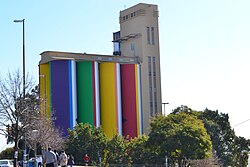
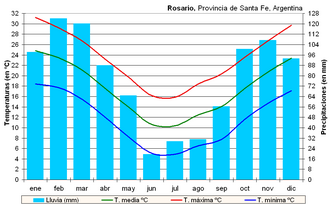
Rosario experiences a temperate climate with significant seasonal variation. The city sees its highest temperatures in January (mean daily max of 29.8°C) and its lowest in July (mean daily min of 4.9°C). Precipitation is relatively well-distributed throughout the year, totaling approximately 1,053.5 mm annually.
Notable Figures
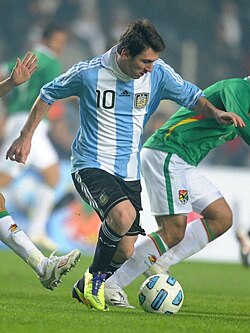
The city has produced world-renowned figures across various fields. In sports, it is the birthplace of Lionel Messi, one of the greatest footballers in history.
Other notable residents and natives include the revolutionary Che Guevara, singer-songwriter Fito Páez, and the influential cartoonist Roberto Fontanarrosa.
Frequently Asked Questions
What is the significance of the National Flag Memorial?
The National Flag Memorial is a monumental complex that commemorates the location where the Argentine flag was first hoisted, cementing Rosario's identity as the "Birthplace of the Argentine Flag."
Which famous athletes come from Rosario?
The most famous athlete from Rosario is football star Lionel Messi. The city is also known for producing high-level rugby players and field hockey stars like Luciana Aymar.
How is the city of Rosario governed?
Rosario is governed by the Municipality of Rosario, headed by an Intendant (currently Pablo Javkin).
What is the primary economic driver of the city?
The Port of Rosario is a primary economic driver, facilitating the trade of agricultural and industrial goods via the Paraná River, contributing to a city-wide GDP of $37.9 billion (PPP, 2023).
What are the main transportation options in Rosario?
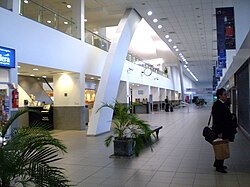
The city utilizes a combination of trolleybuses, the Mariano Moreno Bus Terminal for long-distance travel, and active railway stations like Rosario Norte and Rosario Sur for inter-city trains.