Rock and Roll: The Evolution and Origins of a Musical Revolution
Rock and roll is more than just a genre; it is a cultural phenomenon that reshaped the global musical landscape. Emerging in the United States during the late 1940s and early 1950s, this high-energy style of popular music was born from a melting pot of diverse sounds, blending the raw power of African-American musical traditions with various regional influences.
While the genre did not officially acquire its name until 1954, its DNA was present in the blues records of the 1920s and the country music of the 1930s. It represents a pivotal moment in history where racial barriers in music began to dissolve, creating a new language for a burgeoning youth culture.
Key Facts
- Origins: Evolved in the US during the late 1940s and early 1950s.
- Primary Influence: Rooted heavily in rhythm and blues (R&B).
- Key Contributors: Influenced by gospel, jazz, boogie-woogie, electric blues, jump blues, swing, and folk.
- First Record: "Rocket 88" (1951) is frequently cited as the first rock and roll record.
- Global Reach: Spread rapidly from the American South and West Coast to the United Kingdom.
The Stylistic Roots of the Sound
The foundation of rock and roll is a complex blend of genres. At its core was rhythm and blues (R&B), the black popular music of the late 1940s. However, the sound was enriched by the soul and fervor of gospel vocalizations and the driving rhythms of boogie-woogie and jump blues (an up-tempo style of blues with horns).
Other significant influences included western swing, honky-tonk, and folk music. This intersection of African-American and white musical traditions created a hybrid sound that appealed to a wide audience, eventually branching into derivative forms such as rockabilly, surf, and later, punk and garage rock.
The Evolution of the Term "Rock and Roll"
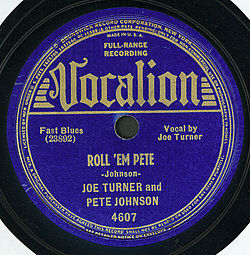
The phrase "rock and roll" did not appear overnight. Long before it described a genre, it was used in religious and social contexts. For example, the African-American spiritual "Bosom of Abraham," documented as early as 1867, used the phrase "rock my soul" in a spiritual sense. By 1922, blues singer Trixie Smith used similar phrasing in "My Man Rocks Me with One Steady Roll."
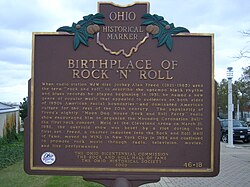
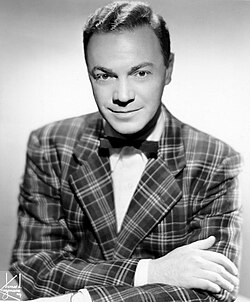
In the 1940s, the term was common in reviews of R&B music aimed at Black audiences. By 1950, jump-blues artist Cha Cha Hogan helped popularize the term in the song "My Walking Baby." However, it was disc jockey Alan Freed who is widely credited with popularizing the term and introducing the genre across racial barriers in the 1950s.
Pioneers and the First Recordings
Determining the "first" rock and roll record is a subject of historical debate. Many point to "Rocket 88," recorded in March 1951 by Jackie Brenston and his Delta Cats (featuring Ike Turner and his band). While Ike Turner later suggested the track was technically R&B, he acknowledged it as the catalyst for the existence of rock and roll.
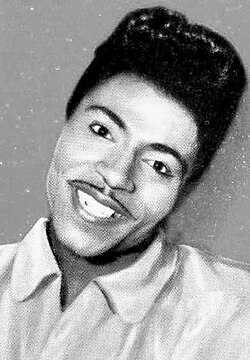
Other artists played crucial roles in defining the sound. Fats Domino, a star of the early 1950s, viewed the music as a continuation of the rhythm and blues he had played in New Orleans for years. Little Richard further innovated the genre by blending New Orleans R&B with the intensity of gospel and boogie-woogie.
The Rise of the Icons
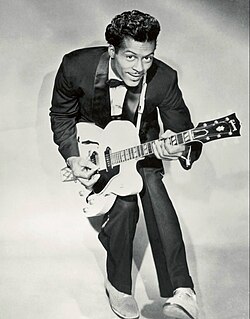
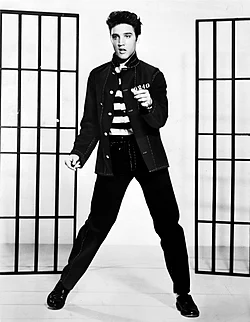
As the genre exploded, artists like Chuck Berry and Elvis Presley became global symbols of the movement. Berry is often credited with inventing the singer-songwriter aspect of the genre, while Presley brought the sound to a massive mainstream audience, blending country and R&B influences.
Global Expansion and Cultural Impact
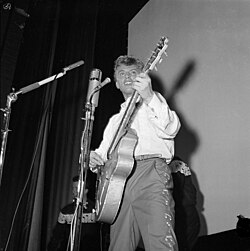
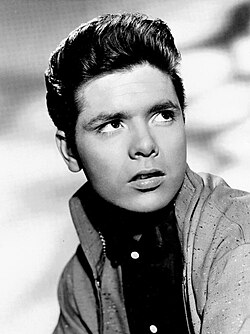
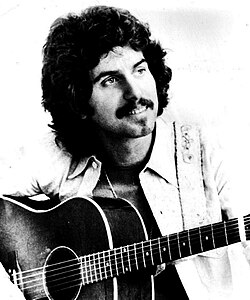
The movement was not limited to the United States. In the United Kingdom, early stars like Tommy Steele and Cliff Richard (whose 1958 hit "Move It" was a landmark) adapted the American sound, paving the way for the later "British Invasion." In the US, artists like Johnny Rivers maintained the spirit of early rock and roll into the 1960s with his "Go-go" style.
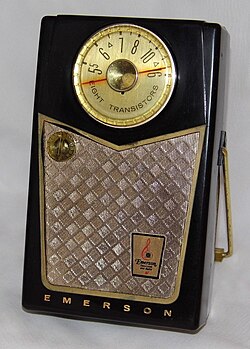
The spread of the music was accelerated by technology. The introduction of the transistor radio allowed baby boomer children to listen to rock and roll privately in their own rooms, away from parental supervision, fueling a new, independent teen culture.
Summary of Rock and Roll Origins
| Category | Details |
|---|---|
| Primary Genres | Rhythm and Blues, Gospel, Country, Jazz |
| Key Instruments | Electric Guitar, Piano, Drums |
| Key Figures | Alan Freed, Chuck Berry, Elvis Presley, Little Richard, Fats Domino |
| Era of Emergence | Late 1940s to early 1950s |
| Regional Hubs | American South, West Coast, United Kingdom |
Frequently Asked Questions
What was the first rock and roll record?
"Rocket 88," recorded in March 1951 by Jackie Brenston and his Delta Cats, is frequently cited as the first rock and roll record, though some, including Ike Turner, consider it to be R&B that paved the way for the genre.
Who is credited with naming the genre?
While the phrase existed in spirituals and R&B for decades, disc jockey Alan Freed is credited with popularizing the term "rock and roll" to describe the music and introducing it to a wider, multi-racial audience.
How did rhythm and blues influence rock and roll?
Rhythm and blues served as the primary foundation for rock and roll. Artists like Fats Domino and Little Richard used the uptempo beats and structures of R&B, blending them with gospel and boogie-woogie to create the signature rock sound.
What role did the transistor radio play?
The transistor radio made music portable and accessible to teenagers, allowing them to listen to rock and roll independently of their parents, which helped solidify the genre's connection to youth culture.
Did rock and roll start in the UK?
No, rock and roll evolved in the United States. However, it found a strong foothold in the UK through artists like Tommy Steele and Cliff Richard before the later emergence of the British Invasion bands.