Richard M. Jones: The Architect of Early Jazz Recording
While many names from the dawn of jazz are etched in history, Richard M. Jones remains one of the most influential figures behind the scenes. A versatile talent, Jones was not only a skilled pianist and composer but also a pivotal record producer and band leader who helped shape the sound of early 20th-century American music.
Born Richard Marigny Jones on June 13, 1892, in Donaldsonville, Louisiana, he spent his formative years in New Orleans. In his youth, he began his musical journey playing the alto horn in brass bands, though he eventually transitioned to the piano, which became his primary instrument.
By 1908, Jones was performing in Storyville, the famous red-light district of New Orleans known as a breeding ground for early jazz. During this era, he led small ensembles that occasionally featured the legendary Joe Oliver and collaborated with other prominent figures such as Papa Celestin, Armand J. Piron, and John Robichaux.
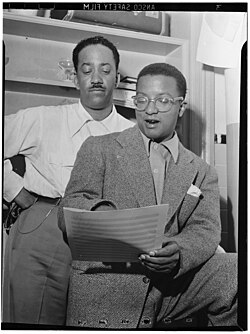
The Move to Chicago and Recording Success
In 1918, Jones relocated to Chicago, Illinois, where his career expanded beyond performance into the business of music. He served as the Chicago manager for the pianist and publisher Clarence Williams, positioning himself at the center of the city's burgeoning music scene.
Starting in 1923, Jones began recording gramophone records. He showcased his versatility as a solo pianist, an accompanist for various vocalists, and as a leader of his own groups, including The Jazz Wizards and The Chicago Cosmopolitans. Throughout the 1920s, his work was captured by several major labels, including Gennett, OKeh, Victor, and Paramount Records.
A Visionary Producer and Industry Leader
Beyond his own performances, Jones played a critical role in the recording industry. For much of the 1920s, he served as the Chicago supervisor for OKeh Records' "Race Records"—a term used at the time to describe recordings specifically marketed to African-American audiences.
In this capacity, Jones acted as the producer for some of the most significant recordings in jazz history: the Hot Five and Hot Seven sessions led by the iconic cornetist and trumpeter Louis Armstrong. These recordings are widely regarded as foundational to the development of the jazz soloist.
Jones continued his management and production career into the 1930s with Decca and later worked for Mercury Records. He remained active in the industry until his death in Chicago on December 8, 1945, at the age of 53.
Key Facts
- Full Name: Richard Marigny Jones (also written as Richard Mariney Jones).
- Primary Roles: Jazz pianist, composer, band leader, and record producer.
- Notable Composition: Credited as the author of the song "Trouble in Mind".
- Industry Impact: Produced Louis Armstrong's influential Hot Five and Hot Seven recordings.
- Label Affiliations: Worked with OKeh, Gennett, Victor, Paramount, Decca, and Mercury Records.
- Nickname: "Richard My Knee Jones," a pun on his middle name referring to a limp caused by a stiff leg.
Career Summary
| Period | Location | Key Activity/Role |
|---|---|---|
| 1908 - 1917 | New Orleans, LA | Performed in Storyville; led bands with Joe Oliver. |
| 1918 - 1922 | Chicago, IL | Manager for publisher Clarence Williams. |
| 1923 - 1929 | Chicago, IL | Recording artist and OKeh Records supervisor for "Race Records". |
| 1930s | Chicago, IL | Management role at Decca Records. |
| Until 1945 | Chicago, IL | Worked for Mercury Records until his death. |
Frequently Asked Questions
What was Richard M. Jones's contribution to Louis Armstrong's career?
Jones served as the producer for Louis Armstrong's Hot Five and Hot Seven recordings while working as a supervisor for OKeh Records, helping to document some of the most influential performances in jazz history.
Which famous song is attributed to Richard M. Jones?
He is listed as the author of several songs, most notably the jazz standard "Trouble in Mind".
What was the meaning behind his nickname "Richard My Knee Jones"?
The nickname was a pun on his middle name, Marigny, created by fellow musicians because Jones walked with a limp due to a stiff leg.
What were "Race Records"?
Race Records was a marketing term used by record companies in the early 20th century to categorize recordings performed by African-American artists and intended for African-American listeners.
Which musical instruments did Richard M. Jones play?
Although he played the alto horn in brass bands during his youth, the piano became his main instrument throughout his professional career.