RHS Britain in Bloom: The UK's Premier Horticultural Campaign
RHS Britain in Bloom stands as the largest horticultural campaign in the United Kingdom, dedicated to enhancing the beauty and environmental health of communities across the nation. Established in 1964, the initiative was inspired by the French Concours des villes et villages fleuris (now the Conseil national de villes et villages fleuris), which had been promoting floral excellence since 1959.
The competition encourages towns, villages, and cities to transform their public spaces, fostering a sense of civic pride and ecological stewardship. Since 2002, the campaign has been organized by the Royal Horticultural Society (RHS), the UK's leading gardening charity.
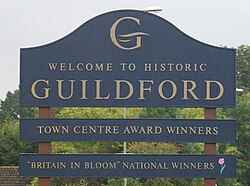
Key Facts
- Founded: 1964 by the British Tourist Board.
- Current Organizer: Royal Horticultural Society (RHS) since 2002.
- Core Pillars: Horticultural Excellence, Environmental Responsibility, and Community Participation.
- Scope: Open to various settlement sizes, including villages, towns, cities, and urban communities.
- Regional Reach: Includes campaigns across England, Scotland, Wales, Northern Ireland, the Isle of Man, Guernsey, and Jersey.
Evolution and History
The management of Britain in Bloom has transitioned through several organizations over the decades. From its inception until 1983, the British Tourist Authority oversaw the event. In 1983, responsibility shifted to the Tidy Britain Group (now known as EnCams), a move celebrated as "Beautiful Britain in Bloom Year." During this era, the competition received significant sponsorship from Sir Lawrie Barratt of Barratt Developments until 1989.
The 1990s saw a shift in focus toward urban beautification and litter reduction, largely driven by sponsorship from McDonald's. This period introduced initiatives like the Children's Painting Competition Calendar. By 2001, the RHS began collaborating with EnCams, eventually taking full control of the organizing body in November 2001.
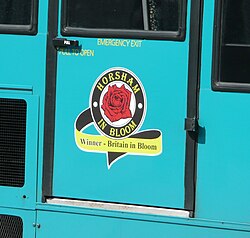
Competition Structure and Categories
To ensure fair assessment, the competition is divided into categories based on the size and nature of the settlement. This allows a small hamlet to compete on a level playing field with a major metropolis.
| Category | Settlement Types | Specific Criteria |
|---|---|---|
| Category A | Small, Medium, and Large Villages | Rural settlements |
| Category B | Small, Medium, and Large Towns | Urban centers |
| Category C | Small, Medium, and Large Cities | Major urban hubs |
| Category D | Urban Community | Specific city districts |
| Category E | Coastal Resorts | Small (<12k pop) or Large (>12k pop) |
Judging and Evaluation
Judging is a rigorous process that takes place over two years in two distinct stages. Entries are not judged solely on the visual appeal of flowers, but on three core pillars:
- Horticultural Excellence: The quality, variety, and maintenance of planting schemes.
- Environmental Responsibility: The use of sustainable practices, biodiversity promotion, and waste management.
- Community Participation: The level of local involvement and the impact of the project on the residents' well-being.
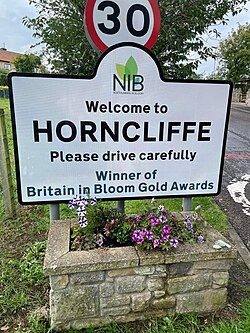
Notable Winners and Regional Reach
Over the years, various locations have achieved the prestigious "Champion of Champions" title. Recent winners include Amersham (2022) and Weymouth (2021). Historically, cities like Nottingham, Bath, and Aberdeen have been frequent top performers.
The campaign is supported by regional organizations to ensure local engagement, including:
- England: Regional groups such as Anglia in Bloom, London in Bloom, and Yorkshire in Bloom.
- Scotland: Beautiful Scotland.
- Wales: Wales in Bloom.
- Northern Ireland: Ulster in Bloom.
- Crown Dependencies: Floral Guernsey, Jersey in Bloom, and Isle of Man in Bloom.
Frequently Asked Questions
Who currently organizes Britain in Bloom?
The Royal Horticultural Society (RHS) has been the full organizing body of the competition since November 2001.
What are the main criteria for winning?
Participants are assessed on three primary pillars: Horticultural Excellence, Environmental Responsibility, and Community Participation.
How are the categories determined?
Categories are based on the size of the settlement (Village, Town, or City) and specific types of communities, such as Urban Communities or Coastal Resorts (which are further split by electoral roll size).
When did the competition start?
The competition was first held in 1964, initiated by the British Tourist Board.
Is the competition only for large cities?
No, the competition is inclusive of all community sizes, ranging from small villages to large cities, with dedicated categories for each to ensure fair judging.