Reusable Shopping Bags: Environmental Impact, History, and Safety
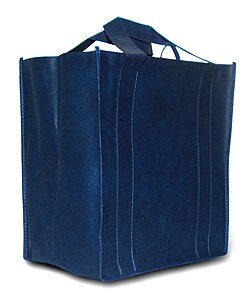
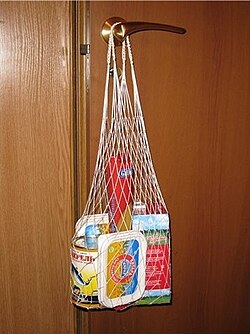
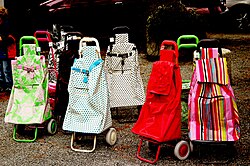
A reusable shopping bag—often referred to as a "bag for life" in the United Kingdom—is designed to be used multiple times, providing a durable alternative to single-use paper or plastic bags. These bags are typically constructed from fabrics like canvas, natural fibers such as jute, woven synthetic fibers, or heavy-duty plastics. Depending on the shopper's needs, these may take the form of tote bags, string bags, or wheeled trolley bags.
While they are widely available in supermarkets and apparel shops as an eco-friendly choice, the environmental benefit of a reusable bag depends heavily on how often it is actually reused.
Key Facts
- Energy Cost: Producing one reusable bag requires as much energy as approximately 28 traditional plastic bags or eight paper bags.
- Usage Threshold: Some reusable bags must be used over 100 times to be more environmentally friendly than single-use plastic.
- Material Variety: Common materials include non-woven polypropylene (NWPP), jute, canvas, and hemp.
- Lifespan: Jute bags typically last 3 to 4 years and can replace over 600 single-use bags.
- Health Risks: If not washed, reusable bags can harbor foodborne bacteria like E. coli.
Environmental Impact and Production
The transition to reusable bags is driven by the desire to reduce plastic waste, but the production process is more energy-intensive than that of disposable options. A 2005 study commissioned by the UK Environment Agency revealed that the average cotton bag is discarded after only 51 uses, which may not be enough to offset its initial production cost.
Global Adoption and History
United States
Plastic bags became dominant in the US during the 1980s and 1990s, replacing paper. In response, many supermarkets now sell reusable bags. While non-woven bags may cost only $0.10–$0.25 to produce, they are often sold for $0.99–$3.00. To encourage adoption, some retailers like Target and Whole Foods Market offer cash discounts for customers who bring their own bags, while others use rewards programs.
Since 1999, the US International Trade Commission reports that 6.25 billion reusable bags have been imported into the US for resale and giveaways.
United Kingdom
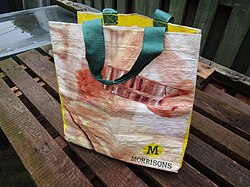
The "Bag For Life" concept was pioneered in 1998 by Waitrose in association with British Polythene Industries. This initiative introduced a closed-loop recycling system where broken bags were recycled into black benches for store exteriors. In 2015, the UK government further discouraged single-use plastics by introducing a 5p tax on carrier bags from large retailers.
Natural alternatives like jute and juco (a blend of cotton and jute) have become popular, with over 50 million sold in the UK. These are often viewed as the most ecological option due to their 3–4 year lifespan.
Australia and New Zealand
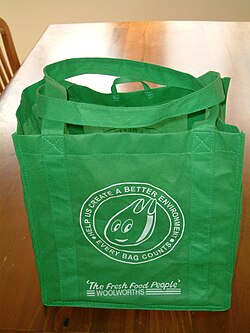
In Australia, these are commonly known as "green bags." Most are made from 100% non-woven polypropylene (NWPP), a material that is recyclable but not biodegradable. Despite some claims, current manufacturing techniques require NWPP bags to be made from virgin material rather than recycled content.
Ireland
Ireland took a legislative approach in March 2002 by introducing the Plastic Bag Environmental Levy. To encourage the shift, bags costing 70 euro cents or more were exempt from the levy.
Safety Considerations
Food Safety and Hygiene
A 2010 study by the University of Arizona and Loma Linda University warned that reusable bags can become breeding grounds for bacteria. The study found that 97% of users did not wash their bags; over 50% contained coliform bacteria, and 12% contained E. coli.
Product Toxicity
Several high-profile recalls occurred around 2010 and 2011 due to lead contamination. Retailers including Wegmans, Lululemon, Sears, and Safeway recalled bags after they were found to contain lead levels exceeding safety limits. In some cases, Disney-themed bags from Safeway were found to have lead levels 15 to 17 times the federal limit of 300ppm.
Legislation and Fashion Trends
Governments worldwide have moved from voluntary reductions to strict bans. In California, Senate Bill 1053 (effective January 2026) will ban all plastic checkout bags, including thicker "reusable" plastic ones. By 2028, only paper bags with at least 50% post-consumer recycled content will be permitted.
Simultaneously, reusable bags have entered the fashion world. In 2007, designer Anya Hindmarch's "I'm Not A Plastic Bag" cotton tote became a status symbol, with some reselling for as much as $800 online.
Comparison of Reusable Bag Types
| Type | Biodegradable | Anti-microbial | Insulating (Thermal) |
|---|---|---|---|
| Jute | Yes | No | No |
| Hemp | Yes | No | No |
| Synthetic Textiles | No | Yes | No |
| Thermal Bags | No | No | Yes |
Frequently Asked Questions
Are reusable bags always better for the environment?
Not necessarily. Because they require significantly more energy to produce than single-use bags, they must be used many times—sometimes over 100 times—to achieve a lower environmental impact than disposable plastic.
How can I prevent bacteria growth in my shopping bags?
Since studies show that many bags harbor coliform and E. coli, it is recommended to wash reusable bags regularly to ensure food safety.
What is a "green bag" in Australia?
A green bag is a reusable shopping bag, typically made of non-woven polypropylene (NWPP), intended to replace hundreds of high-density polyethylene (HDPE) plastic bags.
What is the difference between jute and juco bags?
Jute bags are made from natural jute fibers, while juco bags are a blend of cotton and jute. Both are considered ecological alternatives with a lifespan of several years.
Why were some reusable bags recalled in the past?
Several brands recalled bags between 2010 and 2011 after testing revealed high levels of lead in the materials, which posed a toxicity risk to consumers.