Resolution 1325: Implementing Women, Peace, and Security Globally
United Nations Security Council Resolution 1325 represents a landmark shift in global security, recognizing that women are uniquely impacted by conflict and are essential to sustainable peace. At its core, the resolution focuses on two primary objectives: addressing sexual violence during armed conflict and increasing the participation of women within political institutions and peace processes.
To achieve these goals, the UN has embraced gender mainstreaming—the process of assessing how policies impact women and men differently to ensure equitable outcomes. While various UN programs apply these principles, the primary drivers of implementation are UN Women and the Department of Peacekeeping Operations.
Key Facts
- Four Pillars: Implementation is tracked via prevention, protection, participation, and relief and recovery.
- NAP Growth: National Action Plans grew from 63 countries in 2016 to 108 by September 2025.
- Regional Leaders: Europe (27) and Africa (19) have the highest number of National Action Plans.
- Critical Gaps: The top four countries contributing police and military experts to peacekeeping missions currently lack NAPs.
- Funding Shortfalls: Security sector reform and access to justice are the most common areas lacking financial support.
The Four Pillars of Implementation
In 2009, Resolution 1889 mandated the development of specific indicators to track the progress of Resolution 1325. These indicators formed four strategic pillars used by the UN, member states, and NGOs.
Prevention
Prevention focuses on eliminating sexual and gender-based violence. It emphasizes integrating gender awareness into early warning systems and conflict prevention, including the prevention of sexual exploitation and abuse by peacekeeping forces.
Protection
Protection efforts aim to safeguard the physical and mental health, economic security, and overall well-being of women and girls. This pillar prioritizes the enhancement of legal protections and the fundamental rights of women in conflict zones.
Participation
Participation seeks to increase the number of women in decision-making roles. This includes promoting women's involvement in peace negotiations, fostering partnerships with local women's organizations, and appointing more women to senior UN positions, such as Special Representatives and roles within peacekeeping operations.
Relief and Recovery
This pillar ensures that humanitarian aid is distributed equally to women and girls and that gender perspectives are integrated into all recovery efforts following a conflict.
To measure success, the UN tracks specific outcomes, such as the number of women involved in peace negotiations, the inclusion of women's protection measures in military manuals, and the number of investigated cases of violence against women.
National Action Plans (NAPs)
National Action Plans are strategic tools used by member states to detail the specific steps they will take to meet the resolution's objectives. These plans often require complex interagency coordination across political, social, and human security policies.
The focus of a NAP often depends on the country's status. Donor countries typically use NAPs to document their external commitments to promoting Resolution 1325 principles in other nations. Conversely, developing and conflict-affected countries generally use NAPs to bolster internal political participation for women and establish protections against gender-based violence.
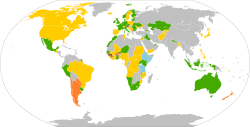
While adoption has increased—reaching 101 countries by early 2024 and 108 by September 2025—significant gaps remain. Notably, many of the largest troop and police contributing countries (TCCs and PCCs) have yet to implement a national plan.
| Framework Type | Primary Focus | Examples/Key Entities |
|---|---|---|
| National Action Plans (NAPs) | State-level policy and interagency coordination | 108 countries (as of Sept 2025) |
| Local Action Plans (LAPs) | Community-level operationalization | Serbia, Sierra Leone, Philippines |
| Regional Action Plans (RAPs) | Regional priorities and funding coordination | EU, NATO, ECOWAS, Pacific Islands Forum |
Challenges to Effective Implementation
Despite the rise in NAPs, accountability remains a challenge. Many plans lack a robust monitoring and evaluation framework with clear roles and responsibilities. Furthermore, funding is a persistent hurdle; a 2014 survey indicated that while funds are often allocated to combat gender-based violence and support peace process involvement, there is a significant funding gap in security sector reform and access to justice.
Local, Regional, and NGO Contributions
Implementation extends beyond national governments. Local Action Plans (LAPs) allow communities in countries like the Philippines and Serbia to apply the resolution's goals on the ground. Regionally, organizations like NATO have used the resolution to increase the number of women in the military, influencing seven member states to set specific participation goals.
Non-governmental organizations (NGOs) serve as critical watchdogs and facilitators. International NGOs provide training and disseminate information to grassroots organizations. Meanwhile, local women's organizations use Resolution 1325 to lobby their governments for inclusion in negotiations and to hold peacekeeping missions accountable for exploitation and abuse.
Frequently Asked Questions
What are the two main goals of Resolution 1325?
The resolution primarily aims to address sexual violence in armed conflict and to increase the participation of women in political institutions and peace processes.
What is gender mainstreaming in the context of the UN?
Gender mainstreaming is the practice of assessing the different impacts of a policy on women and men to ensure that gender perspectives are integrated into all stages of policy development.
How many countries have adopted National Action Plans?
As of September 2016, 63 countries had adopted NAPs; this number grew to 101 by early 2024 and reached 108 by September 2025.
What are the four pillars used to track implementation?
The four pillars are prevention, protection, participation, and relief and recovery.
What is the main funding gap in National Action Plans?
According to a 2014 survey, the most common funding gaps are found in access to justice and security sector reform.
How do NGOs support the implementation of Resolution 1325?
NGOs lobby governments to create NAPs, provide oversight to ensure accountability, train local actors, and advocate for women's inclusion in conflict negotiations.