Repointing Masonry: Best Practices for Historic Structure Restoration
Repointing is the critical process of renewing the external mortar joints of a masonry structure. When done correctly, it preserves the structural integrity and aesthetic value of a building. However, improper repointing can lead to irreversible damage. Successful restoration requires a systematic approach that begins with a deep understanding of the original construction materials and the specific causes of deterioration.
Examining the Structure
Before any physical work begins, building owners must conduct a thorough examination of the masonry units and the existing mortar. The goal is to identify the root cause of cracks or deterioration. If the damage extends into the bricks or stone themselves, there may be a larger structural issue that must be addressed first; proceeding with repointing in such cases could exacerbate the problem.
For historic structures, it is standard practice to hire an architectural historian or a conservator to pinpoint these issues. It is important to note that not every crack requires intervention. If a crack is smaller than 2 mm and is not causing major defects, it is generally better to leave it alone. Often, cracking occurs along old repairs due to the seasonal flexing of the joint or the shrinkage of hard mortar.
Establishing Compatible Materials
The success of repointing depends on matching the new mortar to the original in terms of strength and permeability. The new mortar must have similar performance characteristics to the original, specifically regarding its coefficient of thermal expansion, compressive strength (the capacity of a material to withstand loads), and vapor permeability (the ability of water vapor to pass through the material).
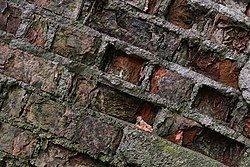
Crucially, the repointing mortar should be softer in compressive strength and more permeable than the original mortar. It must never be stronger than the masonry units themselves. If the mortar is too hard, it will not "give" under stress, forcing the masonry units to absorb the pressure. This leads to spalling, a damaging process where the outer face of a masonry unit breaks away from the rest of the block.
Mortar Analysis Methods
To ensure compatibility, architectural conservators use two primary analysis methods:
- Wet Chemical Analysis: A mortar sample is crushed and mixed with dilute acid. Experts determine the mortar and sand types by observing color and texture, or by measuring the volume of carbon dioxide gas released during the process to determine the exact components.
- Instrumental Analysis: This involves more advanced technology. The most common technique is thin section microscopy, where thin slices of mortar are examined under a transmitted light microscope. Other methods include X-ray diffraction, scanning electron microscopy, and atomic absorption spectroscopy.
While lab work is vital, it cannot account for everything. Factors such as the original water content, the rate of curing, the cleanliness of the sand, and the weather conditions during the original construction must also be considered.
Aesthetics and Tooling
Matching the color of the mortar is essential for a seamless finish. Historically, lime mortar was mixed on-site using local sand, meaning colors vary significantly by district. While new mortar will weather over time to match the old, the initial choice of sand and the specific tooling techniques used to finish the joint should mirror the historic original.
The Importance of Test Panels
Before full-scale application, all materials and methods should be applied to a test panel. This is a small area of the structure, typically hidden from plain sight, used to verify the mortar color, the mason's skill, and the effectiveness of the chosen tools. For brick structures, these panels should not exceed 3' x 3', though they may be slightly larger for other masonry types.
Timing is also critical. Repointing should be scheduled to avoid extreme temperatures, as excessive heat or cold can cause the mortar to dry too rapidly, potentially damaging the masonry units and the overall structure.
Key Facts
- Mortar Strength: New mortar must be softer and more permeable than the original masonry units to prevent spalling.
- Crack Threshold: Cracks smaller than 2 mm that cause no major defects generally do not require repointing.
- Analysis Types: Mortar is analyzed via "wet chemical" methods (acid digestion) or "instrumental" methods (microscopy and spectroscopy).
- Test Panel Size: For brickwork, test panels should be limited to a maximum of 3' x 3'.
- Environmental Risk: Extreme temperatures can cause rapid drying, which negatively impacts the mortar and structure.
| Method | Techniques Used | Primary Data Provided |
|---|---|---|
| Wet Chemical | Dilute acid mixing, CO2 gas measurement | Sand type, mortar components, color, and texture |
| Instrumental | Thin section microscopy, X-ray diffraction, SEM | Detailed microscopic structure and chemical composition |
Frequently Asked Questions
What is spalling and why does it happen during repointing?
Spalling is when the outer face of a masonry unit breaks away. It occurs during repointing if the new mortar is stronger (has higher compressive strength) than the masonry units, causing the bricks or stones to absorb stress and crack rather than the mortar.
When should I avoid repointing a crack?
If a crack is smaller than 2 mm and is not causing any major structural defects, it is generally recommended to leave it alone rather than repointing.
Why is lime mortar often used for historic buildings?
Lime-based mortars are typically softer and more permeable, which is compatible with the characteristics of historic masonry and helps prevent damage to the original units.
What is the purpose of a test panel?
A test panel allows the owner or conservator to verify the mortar color, test the mason's skill, and determine the correct tools in an inconspicuous area before starting the main project.
How is the color of historic mortar determined?
Because historic mortars were mixed with local sand, colors vary by region. Conservators analyze the original components and select sands that match the local historic profile, knowing that natural weathering will further blend the new mortar with the old.