Religious Clergy: Roles, Titles, and Traditions Across Global Faiths
Clergy are the formal leaders within established religions. While their specific duties vary significantly across different faith traditions, their primary functions generally involve presiding over sacred rituals and teaching the doctrines and practices of their respective religions. Depending on the context, these individuals may be referred to as clergymen, clergywomen, clerics, ecclesiastics, or vicegerents.
Key Facts
- Clergy serve as the primary intermediaries for rituals and the keepers of religious doctrine.
- In Buddhism, the collective community of monks and nuns is known as the Sangha.
- Christian clerical structures range from the centralized authority of the Pope in Catholicism to various ministerial roles in Protestantism.
- Islamic leadership includes a diverse array of jurists and scholars, such as Imams and Muftis.
- The role of clergy has evolved over time, adapting to cultural shifts, political pressures, and regional needs.
Buddhism and the Evolution of the Sangha
Buddhist clergy are collectively known as the Sangha, consisting of male monks (bhikshus) and female nuns (bhikshunis). Founded by Gautama Buddha in the 5th century BC, the original community lived under a common set of rules called the Vinaya. Early practitioners led austere lives of meditation, spending much of the year as wandering beggars.
As Buddhism spread, it adapted to local cultures. In Tibet, the interaction with Bon led to unique lineages. In China, the influence of Confucianism and Taoism produced Ch'an Buddhism, which introduced manual labor into monastic life. In Japan, monks eventually took on secular administrative roles for the Emperor, and the requirement for celibacy was relaxed during the Meiji Era—a practice that later influenced Korean Buddhism.
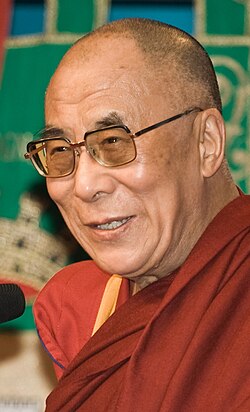
Buddhist Clerical Titles
- General: Bhikkhu/Bhikkhuṇī, Sāmaṇera/Sāmaṇerī.
- Theravada: Acharya, Ajahn, Anagarika, Ayya, Bhante, Sayadaw.
- Mahayana: Rōshi, Zen master.
- Vajrayana: Geshe, Guru, Karmapa, Lama, Dalai Lama, Rinpoche, Tulku.
Christianity: Diverse Hierarchies
Christianity features a wide spectrum of clerical roles, varying by denomination. These range from formal hierarchies to more informal ministerial positions.
The Catholic Church
In the Latin Church, the clerical state was historically entered via tonsure, followed by minor orders (such as lectorate and acolytes) and major orders. Since 1972, minor orders have been replaced by lay ministries. The current hierarchy of Holy Orders consists of the diaconate, presbyterate, and episcopate.
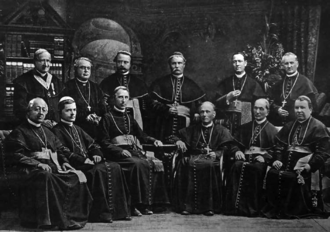
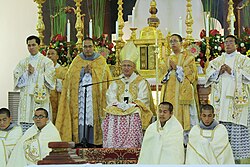
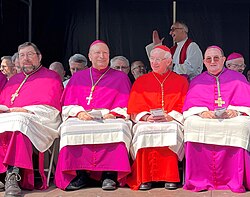
Other Christian Traditions
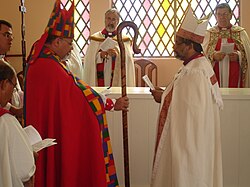
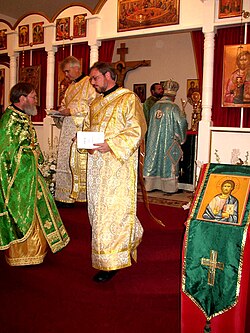
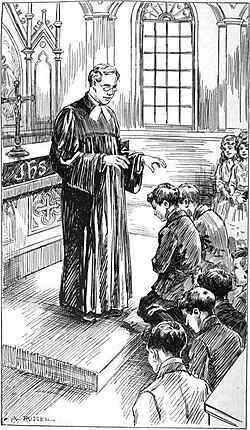
Anglicanism maintains a structure including Archbishops, Bishops, Archdeacons, Priests, and Deacons. Eastern Orthodoxy utilizes a hierarchy featuring the Ecumenical Patriarch, Patriarchs, Metropolitans, and Bishops. Other denominations, such as Lutheranism, Methodism, and the Baptist tradition, employ pastors, ministers, and elders.
Islamic Leadership and Scholarship
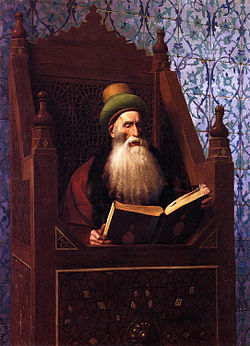
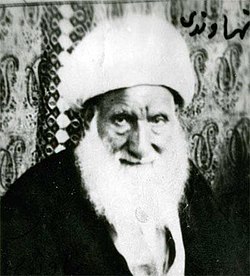
In Islam, religious leaders may be known as Imams, Caliphs, Qadis, Muftis, Sheikhs, Mullahs, or Muezzins. The Ulema refers to the body of Islamic scholars.
Sunni Jurists
Sunni scholarship distinguishes between various levels of legal expertise, including Mujtahidin (independent jurists of divine law, legal schools, or specific issues) and scholars of legal inference, preference, and discernment.
Shia Hierarchy
Shia Islam employs a structured system of jurists, including the Ayatollah al-ʿUẓmā (Supreme Jurist of Reflection) and the Marjaʿ al-Taqlīd (Reference Jurist of Emulation), descending to community clerics known as Mullas or Imams.
Other Faith Traditions
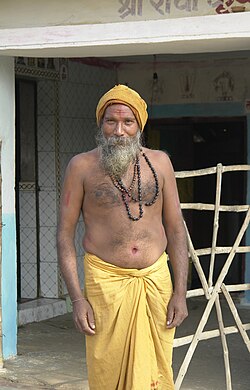
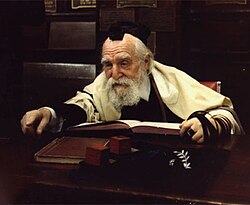
In Hinduism, priests facilitate rituals and spiritual guidance. In Judaism, leadership is provided by Rabbis, who serve as authorities on Jewish law. Notably, Regina Jonas became the world's first female rabbi in 1935, though she was later killed in the Holocaust.
![Regina Jonas, the world's first female rabbi, ordained in 1935, killed in the Holocaust in 1944.[59]](/images/fb/45/fb451e59648e0ba310eadc090bd95448ddd8d9def276a0bd3aa01c95460289bd.jpg)
Summary of Clerical Roles
| Religion | Collective Term / High Authority | Common Titles | Primary Focus |
|---|---|---|---|
| Buddhism | Sangha / Dalai Lama | Bhikkhu, Lama, Rōshi | Meditation, Doctrine, Monasticism |
| Catholicism | Pope | Cardinal, Bishop, Priest | Sacraments, Governance |
| Islam | Ulema / Ayatollah | Imam, Mufti, Sheikh | Jurisprudence, Prayer Leadership |
| Judaism | Rabbinical Authority | Rabbi | Law (Halakha), Teaching |
Frequently Asked Questions
What is the difference between a priest and a minister?
While both are clergy, a priest typically operates within a sacramental hierarchy (like Catholicism or Orthodoxy) and performs specific rites, whereas a minister is a term more common in Protestant traditions, focusing on preaching and pastoral care.
How did Buddhist monasticism change in Japan?
In Japan, monks took on secular administrative duties for the Emperor and, during the Meiji Era, the tradition of celibacy was relaxed, allowing monks to marry.
What is a Mufti in Islam?
A Mufti is a Sunni jurist qualified to issue a fatwa, which is a legal opinion or decree on a point of Islamic law.
Who was Regina Jonas?
Regina Jonas was the first woman in the world to be ordained as a rabbi, achieving this in 1935 before being killed in the Holocaust in 1944.
What are the 'major orders' in the Catholic Church?
The major orders consist of the diaconate, the presbyterate, and the episcopate, with the episcopate representing the fullness of Holy Orders.