Reform Judaism: Evolution, Theology, and Modern Practice
Reform Judaism, also referred to as Liberal or Progressive Judaism, is a major denomination that views the Jewish faith as an evolving entity. Rather than seeing religious law as static, this movement emphasizes the superiority of ethical teachings over ceremonial rituals and believes in a continuous revelation that integrates human reason with divine guidance.
Characterized by an openness to progressive values and external influences, Reform Judaism regards Jewish law as non-binding. This approach grants the individual Jew autonomy in determining their own religious observance, shifting the focus from strict ritual adherence to personal spiritual meaning.
Key Facts
- Core Philosophy: Emphasizes ethical behavior over ritual observance and views revelation as a continuous process.
- Origins: Emerged in mid-19th century Germany, led by figures such as Rabbi Abraham Geiger.
- Legal View: Regards traditional Jewish law as non-binding and emphasizes individual autonomy.
- Global Presence: Most prominent in North America, where it is the largest Jewish religious group.
- Identity: Recognizes patrilineal descent (Jewishness through the father) provided the child is raised with Jewish education.
Historical Origins and Development
The German Roots
The movement began in mid-19th-century Germany during the age of emancipation. Rabbi Abraham Geiger and his associates sought to harmonize ancient Jewish traditions with modern sensibilities. By applying the historical-critical method—a scholarly approach to analyzing texts in their historical context—they argued that Judaism must constantly evolve to remain relevant.
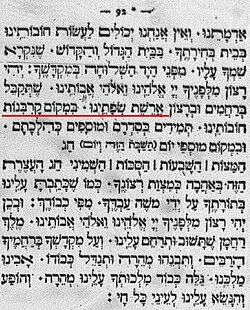
Early reformers consciously adapted religious life by removing elements they considered superstitious or irrelevant. This included omitting references to the bodily resurrection of the dead and the restoration of the sacrificial cult in Jerusalem from the liturgy. To make services more accessible, much of the prayer was translated from Hebrew into the vernacular German.
The Rise of Classical Reform in America
While European Reform remained somewhat conservative to coexist with traditionalists, the movement flourished in the United States from the 1860s to the 1930s. This era, known as Classical Reform, was defined by a universalist approach that minimized Jewish particularism.
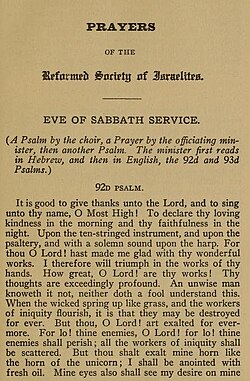
During this period, many congregations adopted English as the primary language for liturgy, some celebrated the Sabbath on Sunday, and requirements such as circumcision for male babies and converts were often waived. The Pittsburgh Platform served as the defining document for this rationalistic phase of the movement.
Theology and Practice
Revelation and Law
Reform Judaism rejects the idea that revelation was limited to a single event at Mount Sinai. Instead, it posits that revelation is an ongoing process intertwined with human reason. Consequently, the movement prioritizes the ethical mandates of the Prophets over the ceremonial requirements of the law.
Jewish Identity and Descent
One of the most significant modern shifts in Reform Judaism concerns Jewish status. While traditionally Jewish identity was passed through the mother, the movement has moved toward recognizing patrilineal descent. This means children born to a Jewish father and a non-Jewish mother are accepted as Jews if they receive a Jewish education and commit to the faith.
This policy was adopted by British Liberal Judaism in the 1950s, the North American Union for Reform Judaism (URJ) in 1983, and the British Movement for Reform Judaism in 2015. This shift reflects the reality of high intermarriage rates within the community.
Organizational Structure and Demographics
Global Institutions
The movement is organized under several key bodies. The World Union for Progressive Judaism (WUPJ) serves as the international umbrella organization, founded in 1926 to unite Reform, Liberal, and Progressive congregations globally.
In North America, the Union for Reform Judaism (URJ) is the primary congregational body, while the Central Conference of American Rabbis (CCAR) serves as the rabbinical council. Most Reform rabbis in the U.S. are trained at the Hebrew Union College.
Demographic Impact
Reform Judaism is the most numerous Jewish religious group in the United States. A 2013 Pew Research Center survey estimated it represents approximately 35% of the 5.3 million Jewish adults in the U.S. The URJ claims to represent roughly 2.2 million people, including synagogue members and those who identify as Reform but are not formal members.
| Figure/Organization | Role/Significance | Primary Region |
|---|---|---|
| Abraham Geiger | Formulated basic principles of early Reform | Germany |
| Isaac Meyer Wise | Key leader in American institutionalization | United States |
| URJ | Largest constituent of the WUPJ | North America |
| CCAR | Denominational rabbinic council | United States |
| WUPJ | International umbrella for Progressive Judaism | Global |
Prominent Figures in the Movement
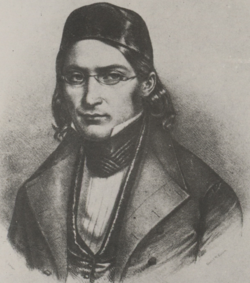
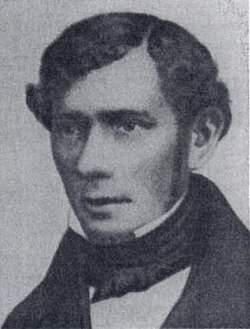
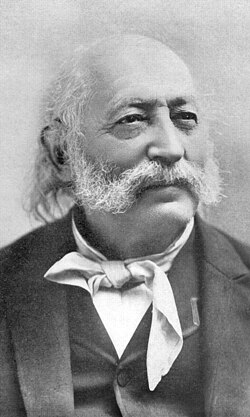
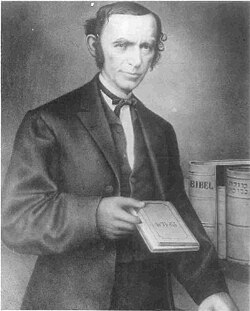
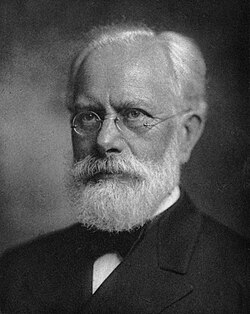
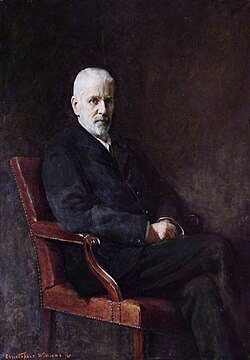
The movement has been shaped by various thinkers and leaders who pushed the boundaries of tradition. These include Rabbi Abraham Geiger, who provided the intellectual foundation in Germany; Samuel Holdheim; Isaac Meyer Wise, who helped build the American infrastructure; David Einhorn; Kaufmann Kohler; and Claude Montefiore, who established the Jewish Religious Union in Britain.
Frequently Asked Questions
Is Jewish law binding in Reform Judaism?
No, Reform Judaism regards Jewish law (Halakhah) as non-binding. It emphasizes the autonomy of the individual to decide which practices are meaningful to their own spiritual life.
Who is considered Jewish according to Reform standards?
Jewish status is conferred unconditionally on children of two Jewish parents. However, the movement also recognizes patrilineal descent, accepting children of a single Jewish parent (mother or father) provided they are raised with Jewish education and commitment.
What is the difference between Reform, Liberal, and Progressive Judaism?
These terms are often used interchangeably. "Reform" is most common in the U.S., "Liberal" is more prevalent in Germany and the UK, and "Progressive" is the preferred term for the international World Union for Progressive Judaism.
How does Reform liturgy differ from traditional services?
Reform liturgy often incorporates the vernacular language (such as English or German) alongside Hebrew. It has historically removed references to the sacrificial system in Jerusalem and the bodily resurrection of the dead to align with modern rationalism.
What was "Classical Reform"?
Classical Reform was a period from the 1860s to the 1930s, primarily in the U.S., characterized by a strong universalist approach, the removal of most traditional rituals, and in some cases, the celebration of the Sabbath on Sunday.