Recycling: Transforming Waste into Sustainable Resources
Recycling is the process of converting waste materials into new materials and objects. Rather than relying on conventional waste disposal, recycling allows society to recover valuable resources, reduce the consumption of fresh raw materials, and lower greenhouse gas emissions. By redirecting waste output back into the economic system, recycling serves as a cornerstone of environmental sustainability.
In the modern waste management framework, recycling is the third step in the "Reduce, Reuse, and Recycle" waste hierarchy. Its effectiveness depends largely on the recyclability of a material—its ability to regain the properties it possessed in its original state. When implemented correctly, this process reduces energy use and mitigates pollution caused by incineration and landfilling.

Key Facts
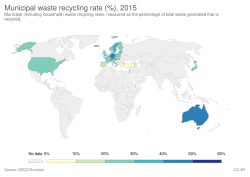
- Environmental Impact: Recycling reduces the need for raw material extraction and lowers air and water pollution.
- Energy Efficiency: Recycling aluminum saves up to 95% of the energy required for new production.
- Standardization: Global practices are guided by ISO standards, including ISO 15270:2008 for plastics and ISO 14001:2015 for environmental management.
- Waste Hierarchy: Recycling is the final stage of the primary waste reduction strategy: Reduce, Reuse, and Recycle.
The Evolution of Recycling
Wartime Mobilization
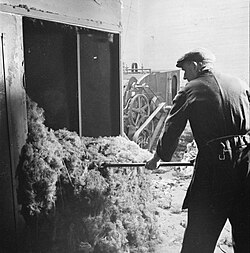
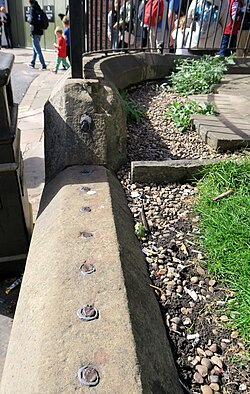
Recycling has historically surged during times of crisis. During World War II, governments in the United States, Britain, and Canada launched aggressive "salvage" campaigns. Public property, such as iron fence bars, was often dismantled and recycled to support the war effort.



Post-War and Modern Developments
Following the war, recycling evolved from a necessity of scarcity to a tool for environmental protection. The rise of industrial plastics and electronic waste (e-waste) in the latter half of the 20th century necessitated more complex sorting and processing technologies.
Types of Recycling and Processes
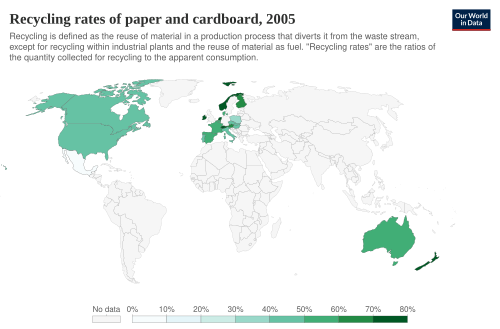
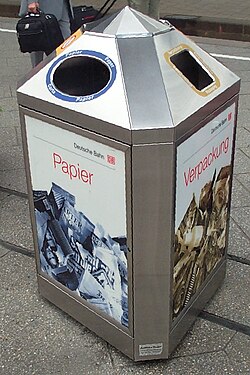
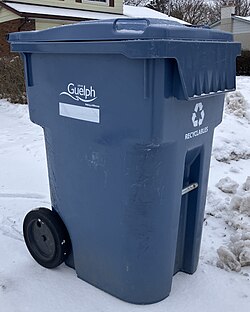
Consumer Waste Collection
The collection of recyclable materials from households typically follows several models:
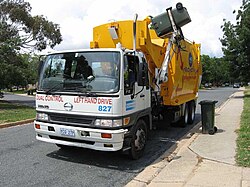
- Curbside Collection: Materials are picked up from residential areas.
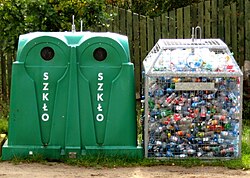
- Source Separation: Residents sort materials into different bins before collection.
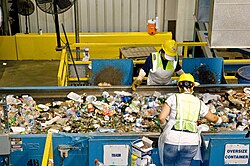
- Single-Stream Recycling: All recyclables are placed in one bin, increasing participation rates but requiring more intensive industrial sorting.
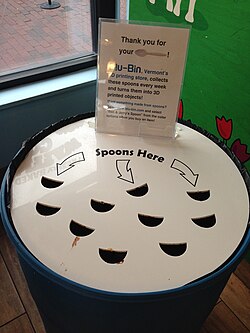
- Drop-off Centers: Centralized locations where citizens bring their sorted waste.

Industrial and Material-Specific Recycling
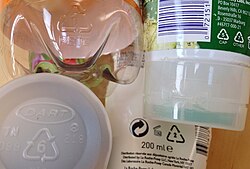
Different materials require distinct recovery methods. For example, plastic recycling can be divided into physical recycling (melting and reforming) and chemical recycling (breaking polymers down into monomers). Some plastics are processed via pyrolysis to create fuel oil.
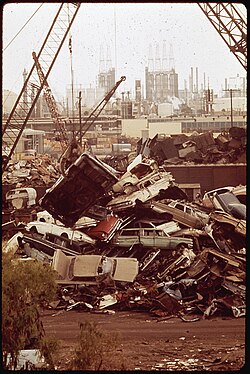
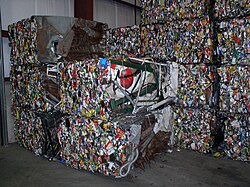
Metal recycling often involves smelting, where wrecked automobiles and scrap steel are melted down to create new alloys.
E-Waste and Specialized Recovery
Electronic waste (e-waste) presents unique challenges. While it contains precious metals, improper recovery—such as burning insulated copper wires—can lead to severe health and environmental hazards.


Environmental and Economic Analysis
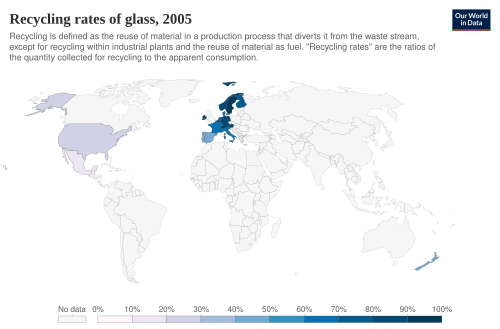
Recycling offers significant savings in energy and pollution compared to virgin production. The following table summarizes the benefits across common materials:
| Material | Energy Savings | Air Pollution Savings |
|---|---|---|
| Aluminium | 95% | Not specified |
| Steel | 60% | Not specified |
| Plastics | 70% | Not specified |
| Paper | 40% | 73% |
| Glass | 5–30% | 20% |
| Cardboard | 24% | Not specified |
Challenges and Criticisms

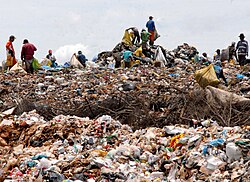
Despite its benefits, recycling is not without controversy. Critics point to the high economic costs of municipal programs and the social costs associated with poor working conditions in informal recycling sectors. Additionally, the quality of the recyclate (the resulting recycled material) can vary, sometimes limiting its use in high-end manufacturing.
Frequently Asked Questions



What is the difference between source separation and single-stream recycling?
Source separation requires the user to sort materials into different bins (e.g., paper, glass, plastic) before collection. Single-stream recycling allows all recyclables to be placed in one container, which are then sorted at a specialized facility.
Why is aluminum recycling so much more efficient than other materials?
Recycling aluminum saves approximately 95% of the energy required to produce new aluminum from raw bauxite ore, making it one of the most energy-efficient recycling processes available.
What is chemical recycling?
Chemical recycling involves breaking down plastic polymers into their original chemical building blocks (monomers) through chemical reactions, allowing the material to be purified and reused more effectively than physical melting.
What are the risks associated with e-waste recycling?
Improper e-waste recycling, such as burning wires to recover copper, can release toxic chemicals into the air and soil, posing significant health risks to workers and the surrounding environment.
How does recycling contribute to a circular economy?
Recycling supports a circular economy by removing the need for constant raw material input and redirecting waste output back into the production cycle, thereby minimizing the overall environmental footprint.