Raúl Alfonsín: The Architect of Argentine Democracy
Raúl Alfonsín stands as one of the most pivotal figures in South American political history. As the 49th President of Argentina, he led the nation through one of its most fragile transitions: the shift from a brutal military dictatorship to a stable, constitutional democracy. A lawyer by trade and a social democrat by conviction, Alfonsín's legacy is defined by his unwavering commitment to human rights and the rule of law.
His political philosophy, often referred to as Alfonsinism, emphasized the necessity of democratic institutions over the whims of strongmen. By leading the Radical Civic Union (UCR), he provided a viable alternative to the Peronist movement and the military juntas that had plagued Argentina for decades.
Key Facts
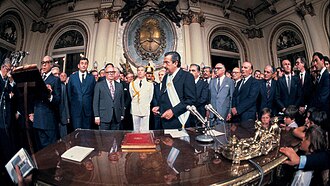
- Presidency: Served from December 10, 1983, to July 8, 1989.
- Historical Milestone: First democratically elected president after the National Reorganization Process.
- Human Rights: Sponsored the Trial of the Juntas to prosecute military leaders for crimes against humanity.
- Political Party: Long-time leader of the Radical Civic Union (UCR).
- Constitutional Impact: Negotiated the Pact of Olivos, leading to the 1994 constitutional amendments.
Early Life and Political Ascent
Born on March 12, 1927, in Chascomús, Buenos Aires Province, Raúl Alfonsín was the son of shopkeepers. His early education included a stint at the General San Martín Military Lyceum. While he personally disliked the military, this experience provided him with a critical understanding of the military mindset—a tool that would prove invaluable during his presidency.
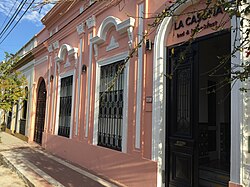
After graduating in law from the University of Buenos Aires at age 23, Alfonsín entered the political arena through the Radical Civic Union (UCR) in 1946. His early career was marked by a steady climb through local and provincial offices, serving as a councillor in Chascomús and later as a deputy for the Buenos Aires province.
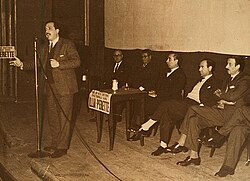
Throughout the 1960s and 70s, Alfonsín faced repeated detentions by various military regimes. He used these periods of repression to sharpen his intellectual defense of democracy, writing opinion pieces under pseudonyms and establishing the magazine Propuesta y control to criticize the dictatorship during the early stages of the Dirty War—a period of state-sponsored terrorism and forced disappearances.
The Path to the Presidency
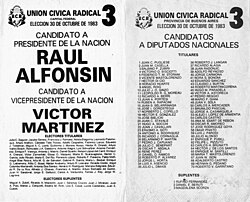
By the early 1980s, Argentina was reeling from the failure of the Falklands War and a collapsing economy. In the elections of October 30, 1983, the Alfonsín–Martínez ticket secured 51.7% of the vote. This victory was historic, marking the first time the Peronist party was defeated in a free election without fraud or proscription.
The Presidency and the Trial of the Juntas
Alfonsín's presidency was defined by the urgent need to address the atrocities of the National Reorganization Process. He sponsored the Trial of the Juntas, the first time in history that the leaders of a military coup in Argentina were held legally accountable in a civilian court.
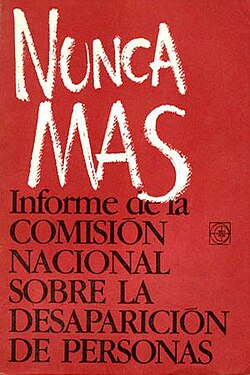
The trials resulted in life sentences for Jorge Videla and Emilio Massera, sending a powerful message that the era of impunity was over. This commitment to justice was further solidified by the "Nunca más" (Never again) report, which documented the systemic disappearance of citizens.
Challenges and Governance
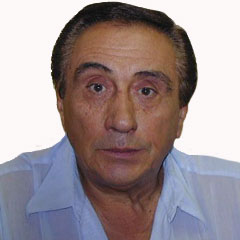
Despite his successes in human rights, Alfonsín's term was fraught with difficulty. He faced intense pressure from trade unions, led by figures like Saúl Ubaldini, and struggled with severe economic instability and hyperinflation.
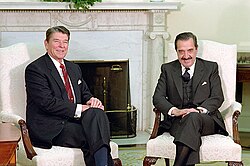
On the international stage, Alfonsín sought to reposition Argentina as a democratic leader in the region, maintaining diplomatic relations with global powers, including the United States.
Later Political Career and the Pact of Olivos
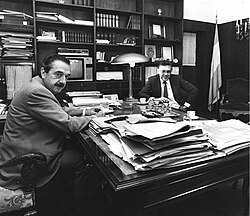
After leaving office in 1989, Alfonsín remained a dominant force in the UCR. In 1994, he entered into the Pact of Olivos with President Carlos Menem. This agreement was a strategic compromise: Alfonsín supported a constitutional amendment allowing Menem to run for re-election in exchange for reforms that reduced presidential power and increased judicial independence.
These reforms included the creation of the Council of Magistracy of the Nation and the establishment of Buenos Aires as an autonomous territory. Alfonsín served as a member of the Constitutional Convention to implement these changes.
Final Years and Legacy
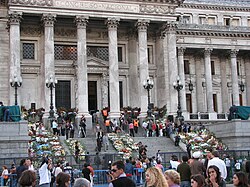
In his later years, Alfonsín continued to serve the public, including a term as a National Senator for Buenos Aires from 2001 to 2002. He remained a respected elder statesman until his death from lung cancer on March 31, 2009, at the age of 82.
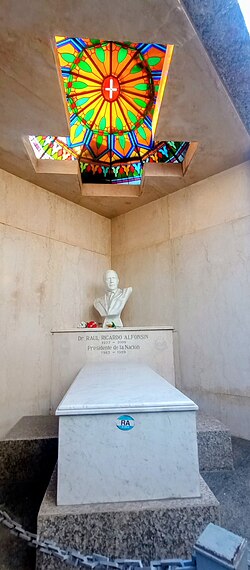
Alfonsín's legacy is cemented by his role as the "father of modern democracy" in Argentina. He was honored with the Princess of Asturias Award for international cooperation and recognized as an Illustrious Citizen of Buenos Aires.
| Role | Period | Key Contribution/Context |
|---|---|---|
| Councillor of Chascomús | 1954–1955 | Entry into local governance |
| National Deputy | 1963–1966; 1973–1976 | Legislative experience and opposition to juntas |
| President of Argentina | 1983–1989 | Restoration of democracy; Trial of the Juntas |
| Constitutional Convention Member | 1994 | Pact of Olivos and constitutional reform |
| National Senator | 2001–2002 | Final legislative service for Buenos Aires |
Frequently Asked Questions
What was the significance of the Trial of the Juntas?
The Trial of the Juntas was a landmark legal proceeding sponsored by Raúl Alfonsín that prosecuted the leaders of the military dictatorship. It was the first time a civilian court tried the architects of a military coup for human rights violations, establishing a precedent for accountability in Argentina.
What was the Pact of Olivos?
The Pact of Olivos was a political agreement between Raúl Alfonsín and President Carlos Menem in 1994. It allowed Menem to seek re-election in exchange for constitutional reforms that limited presidential power, reduced the presidential term to four years, and granted autonomy to the city of Buenos Aires.
Which political party did Raúl Alfonsín lead?
Alfonsín was the leader of the Radical Civic Union (UCR), a social democratic party. He led the party across multiple periods between 1983 and 2001.
How did Alfonsín's military education influence him?
Although he disliked the military, his time at the General San Martín Military Lyceum helped him understand the internal logic and mindset of the armed forces, which assisted him in navigating the transition to democracy and managing the military during his presidency.
What is the "Nunca más" report?
The "Nunca más" (Never again) report was produced by the National Commission on the Disappearance of Persons. It served as a comprehensive documentation of the forced disappearances and torture carried out during the military dictatorship, providing the moral and factual basis for the pursuit of justice.