Quechquemitl: The Art and Craft of Traditional Mexican Garments
The quechquemitl is a distinctive indigenous garment that serves as both a functional piece of clothing and a canvas for cultural identity. Worn by various ethnic groups across Mexico, these garments are characterized by their unique shapes and intricate decorations, which often reveal the specific community, region, and history of the wearer.
From the use of raw materials to the complex symbolic motifs, the creation of a quechquemitl is a sophisticated process blending pre-Hispanic traditions with influences introduced after the Spanish conquest.
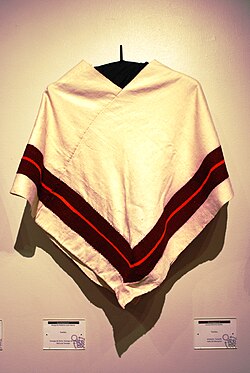
Key Facts
- Cultural Origins: Produced by the Huastecs, Nahuas, Tepehuas, Huichols, and Otomis.
- Materials: Primarily undyed cotton, though wool is used in colder climates.
- Symbolism: Colors and motifs carry meaning, such as yellow representing the east.
- Construction: Made from uncut pieces of cloth directly from the loom.
- Regional Specialization: The Sierra Norte de Puebla is renowned for its complex gauze weavings.
Cultural Identity and Symbolism
The decoration of a quechquemitl acts as a visual language. For instance, the Huastecs in Tancanhuitz de Santos (San Luis Potosí) and the Huichols in Jalisco and Nayarit typically use undyed cotton heavily embroidered with colorful animals and flowers. In contrast, the Nahuas of Hueyapan (Puebla) and San Francisco Chapantla (Hidalgo) incorporate fretwork alongside floral and animal motifs.
Many designs date back to the pre-Hispanic era, while others emerged after the Spanish conquest. Some motifs are hybrid, blending European and indigenous styles. Ancient symbols include:
- Fretwork and symbols representing the deity Quetzalcoatl (including his scepter).
- Celestial references related to Ursa Major.
- The ilhuitl, an "S" shaped form.
- A cross with equal branches representing the cardinal directions.
While a stylized vase with flowers is a clear European addition, the double-headed eagle remains ambiguous, potentially originating from either indigenous or European sources.
Weaving Techniques and Textures
Quechquemitls are crafted using uncut cloth, meaning the fabric is used exactly as it comes off the loom. The final aesthetic is achieved through a combination of weaving structure, surface ornamentation (usually embroidery), and specific seam finishes.
Advanced Weave Types
Artisans employ several specialized weaving methods to create different textures:
- Gauze: Highly complex arrangements of heddles (the wires that separate warp threads) are used, particularly in the Sierra Norte de Puebla, where some pieces utilize up to twenty heddles to create checkerboard patterns.
- Seersucker: This puckered effect is created by mixing handspun threads with commercial threads that do not shrink during washing.
- Weft Brocade: A decorative technique where heavier threads are introduced into the weft (the horizontal threads) to create patterns. A "looped brocade" is created by tugging these threads to raise them, a detail often mistaken for embroidery.
- Curved Weaving: A unique and complicated technique found in the Sierra Norte de Puebla. It uses a mix of white cotton and red or pink wool. By varying the length of the wool warp, the weaver creates a warp-faced fabric that transitions into a weft-faced colored border, designed specifically to drape over the shoulders.
Construction and Assembly
There are four primary methods used to join the fabric pieces to create the final garment shape:
- The Warped Loop: Two rectangles are joined by attaching the narrow end of each to the long side of the other, allowing the garment to be worn over the shoulders or front-to-back.
- The Folded Square: A single long rectangle is folded in half. One side is draped over an arm, and the other edges are partially sewn to leave an opening for the head.
- The Two-Square Method: Two squares of fabric are joined at the arm and shoulder seams, leaving a central neck opening.
- The Cut-Out Rectangle: A rare method where a smaller rectangle is cut from a larger one, then folded and sewn at the narrowest edges, resulting in points that hang off the shoulders.
| Feature | Details |
|---|---|
| Primary Groups | Huastecs, Nahuas, Tepehuas, Huichols, Otomis |
| Common Materials | Undyed cotton, wool (cold regions) |
| Key Techniques | Gauze, Seersucker, Weft Brocade, Curved Weaving |
| Notable Regions | Sierra Norte de Puebla, San Luis Potosí, Jalisco, Nayarit, Hidalgo |
| Symbolic Motifs | Quetzalcoatl, Ursa Major, Cardinal Directions, Floral Vases |
Frequently Asked Questions
What is a quechquemitl?
A quechquemitl is a traditional indigenous Mexican garment made from uncut pieces of loom-woven cloth, often heavily decorated with embroidery or complex weaves to signify cultural and regional identity.
How can you tell which group made a specific quechquemitl?
The group can be identified by the decoration and materials used. For example, Huastecs and Huichols often use undyed cotton with heavy floral and animal embroidery, while Nahuas may use specific fretwork patterns.
What is the difference between brocade and embroidery in these textiles?
Embroidery is surface ornamentation added after the fabric is woven. Weft brocade is a weaving technique where heavier threads are integrated into the weft during the weaving process; looped brocade, in particular, is often mistaken for embroidery.
What makes the curved weaving technique unique?
Curved weaving is a complex process using different lengths of cotton and wool warp threads to create a specific fabric face and a colored border, designed specifically to fit the contours of the wearer's shoulders.
What do the colors and symbols represent?
Colors often have symbolic meanings, such as yellow representing the east. Symbols can range from pre-Hispanic icons like the scepter of Quetzalcoatl to European-influenced designs like stylized flower vases.