Prince of Wales
The Prince of Wales (Welsh: Tywysog Cymru) is a title traditionally bestowed upon the heir apparent to the British throne. While now synonymous with the British royal family, the title has a complex history rooted in the sovereign struggle for control over Wales. From its origins as a native Welsh title to its current status as a royal designation, the role has evolved from a symbol of independent leadership to one of the most recognized titles in the global monarchy.
On September 9, 2022, King Charles III created his eldest son, William, as the Prince of Wales, just one day after his own accession to the throne. Formal letters patent—legal documents issued by the monarch—were later issued on February 13, 2023, to officialize the appointment.
Key Facts
- Incumbent: Prince William (since September 9, 2022).
- Appointer: The Monarch of the United Kingdom.
- Tenure: Held for life or until the holder accedes to the throne.
- First Welsh Holder: Owain Gwynedd (1165).
- First English Holder: Edward of Caernarfon (1301).
- Longest Serving: King Charles III (64 years and 44 days).
Historical Origins and Evolution
The Native Welsh Princes
The title first appeared in 1165, held by native Welsh rulers. One of the most prominent figures was Llywelyn, whose principality stood until the conquest of Wales by Edward I between 1277 and 1283. Following Llywelyn's death in 1282, his brother Dafydd briefly adopted the title to continue the resistance. However, Dafydd was defeated and executed in 1283, leading to the permanent annexation of the principality by the English crown.
The English and British Tradition
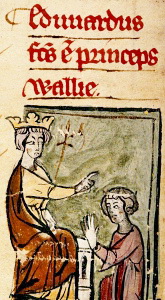
In 1301, Edward I reimagined the title, creating his son, Edward of Caernarfon, as the first English Prince of Wales. This transition shifted the title from a symbol of Welsh sovereignty to a designation for the heir apparent to the English (and later British) throne.
Titles, Roles, and Insignia
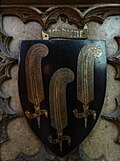
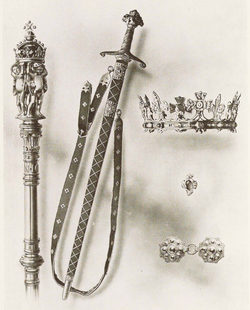
The Prince of Wales typically holds several other honors and titles. If the holder is the eldest son of the monarch, they are often associated with the Duchy of Cornwall and the Earldom of Chester. The role is accompanied by specific insignia, most notably the Prince of Wales's feathers and a personal standard.
The Modern Era and Public Debate
The appointment of a Prince of Wales has frequently sparked political debate within Wales. When Prince William was proclaimed in 2022, Mark Drakeford, the First Minister of Wales, expressed surprise at the lack of prior notice. This event catalyzed a renewed discussion regarding the title's relevance in the 21st century.
Public Opinion and Polls
Public sentiment toward the title has fluctuated over the decades. A 1999 BBC Wales poll indicated that 73% of Welsh speakers supported the continuation of the title after Charles. By 2009, 58% of the general Welsh population supported the title, though only 16% believed Wales had actually benefited from having a prince.
More recent data shows a divide: a June 2022 ITV/YouGov poll found 46% of adults wanted the title to continue, while 31% favored its abolition. However, a September 2022 YouGov poll showed 66% support specifically for Prince William to hold the title.
Summary of the Prince of Wales Title
| Feature | Welsh Tradition (Pre-1283) | British Tradition (Post-1301) |
|---|---|---|
| First Holder | Owain Gwynedd | Edward of Caernarfon |
| Nature of Title | Sovereign Ruler of Wales | Heir Apparent to the Throne |
| Appointment | Hereditary/Dynastic | Bestowed by the Monarch |
| Current Status | Annexed by English Crown | Active Royal Title |
Frequently Asked Questions
Who is the current Prince of Wales?
The current Prince of Wales is Prince William, who was appointed by King Charles III on September 9, 2022.
Who held the title for the longest period?
King Charles III was the longest-serving Prince of Wales, holding the title for 64 years and 44 days between 1958 and 2022.
How did the title change after the conquest of Wales?
Originally a title for native Welsh princes, it was adopted by the English crown in 1301 to designate the heir apparent to the English throne, effectively merging the title with the British monarchy.
Is the title of Prince of Wales controversial?
Yes, it remains a point of debate. While many support the tradition, others call for its abolition, citing the historical context of the English conquest of Wales.
What is an investiture?
An investiture is a formal ceremony where the Prince of Wales is officially presented with the insignia of his office, such as the ceremonies held for Prince Edward in 1911 and Prince Charles in 1969.