Prince Albert of Saxe-Coburg and Gotha: The Life of the Prince Consort
Prince Albert of Saxe-Coburg and Gotha was far more than a royal spouse; he was a pivotal figure in 19th-century Britain. As the husband of Queen Victoria and the Prince Consort, Albert influenced the cultural, scientific, and political landscape of the United Kingdom from their marriage in 1840 until his untimely death in 1861.
Born as Franz August Karl Albert Emanuel on August 26, 1819, at Schloss Rosenau, Albert was a member of the House of Saxe-Coburg-Saalfeld (which became Saxe-Coburg and Gotha in 1826). His journey from a German prince to a central figure of the British Empire is a story of intellectual ambition and deep personal devotion.
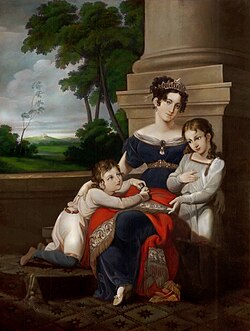
Early Life and Marriage to Queen Victoria
Queen Victoria ascended the throne on June 20, 1837, at the age of 18. While she was cautious about rushing into marriage, she maintained a keen interest in Albert's education, recognizing the significant role he would eventually play in her reign. Following a visit to Italy in the winter of 1838–1839, Albert returned to the United Kingdom in October 1839 to visit Victoria.
The mutual affection between the two was immediate. On October 15, 1839, Queen Victoria proposed to Albert. Following a formal declaration to the Privy Council, the couple married on February 10, 1840, at the Chapel Royal, St James's Palace. To facilitate his new role, Albert was naturalized by an Act of Parliament and granted the style of Royal Highness.
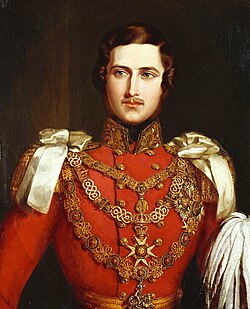
The Role of the Prince Consort
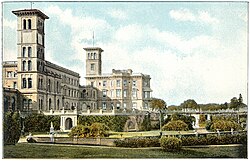
The early years of their marriage were marked by both private intimacy and public scrutiny. While the couple was often perceived as stiff and overly adherent to protocol in public, they shared a deeply affectionate private life. Albert once described Victoria as a "consoling angel" and their marriage as a "union of heart and soul."
Despite their bond, the couple faced challenges, including assassination attempts in May 1842 by John Francis. Over time, Albert's influence grew, and on June 25, 1857, Victoria officially granted him the title of Prince Consort.
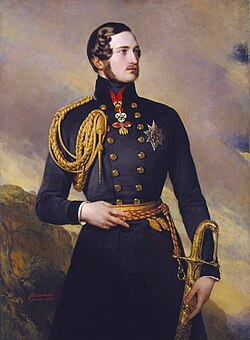
A Legacy of Innovation and Reform
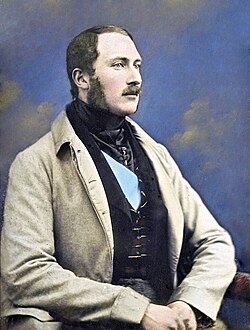
Prince Albert was a dedicated reformer and innovator. He is perhaps most famously associated with the Great Exhibition of 1851, a massive international display of industry and art housed in the iconic Crystal Palace in Hyde Park, London. This event showcased the technological progress of the era and Albert's commitment to education and industrial advancement.
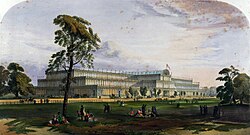
Beyond the Great Exhibition, Albert's influence extended to the arts and sciences, and he held various prestigious positions, including Chancellor of the University of Cambridge from 1847 until his death.
Family Life and Children
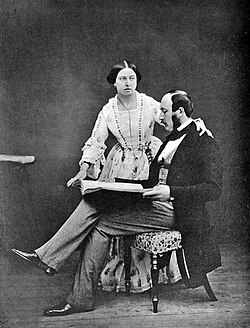
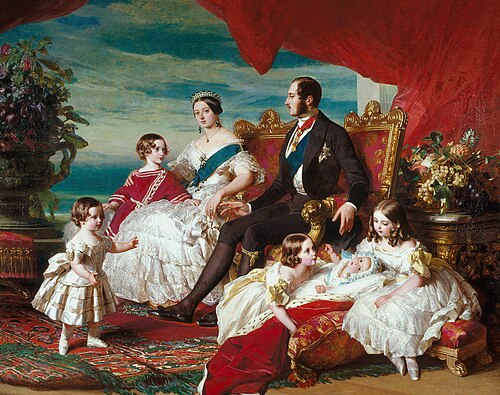
Victoria and Albert shared a prolific family life, having nine children together. Their household was a blend of royal duty and familial affection, though the pressures of their public roles were ever-present.
![Albert, Victoria and their nine children, 1857. Left to right: Alice, Arthur, Albert (Prince Consort), Albert Edward (Prince of Wales), Leopold, Louise, Queen Victoria with Beatrice, Alfred, Victoria and Helena[91]](/images/4a/3e/4a3e291da603b10621f6dd6d8561d9fcb19b18cb7ce091ebe23ea341a2c4e0f2.jpg)
Their children included the future King Edward VII and several princesses and princes who married into various European royal houses, further extending the influence of the Saxe-Coburg and Gotha line across the continent.
Illness and Death
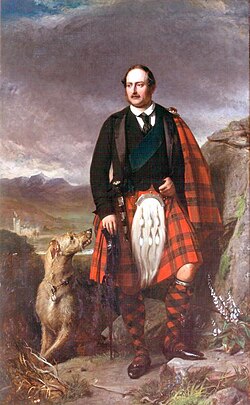
The Prince's life was cut short at the age of 42. On December 9, 1861, physician William Jenner diagnosed Albert with typhoid fever. He passed away in the Blue Room at Windsor Castle on December 14, 1861, surrounded by Victoria and five of their children.
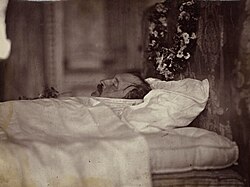
While typhoid was the contemporary diagnosis, modern historians suggest that persistent stomach pain Albert experienced for two years prior to his death may indicate other chronic conditions, such as abdominal cancer, kidney failure, or Crohn's disease.
Key Facts
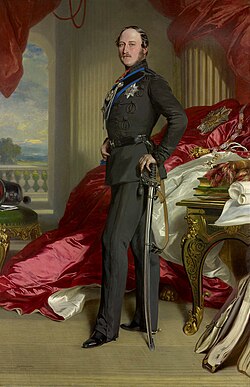
- Full Name: Franz August Karl Albert Emanuel.
- Marriage Date: February 10, 1840.
- Title: Granted the title of Prince Consort in 1857.
- Major Achievement: Orchestrated the Great Exhibition of 1851.
- Family: Father to nine children, including King Edward VII.
- Death: Died December 14, 1861, at age 42 at Windsor Castle.
Summary of Prince Albert's Life
| Category | Details |
|---|---|
| Born | August 26, 1819 (Saxe-Coburg-Saalfeld) |
| Died | December 14, 1861 (Windsor Castle, England) |
| Spouse | Queen Victoria |
| Key Title | Prince Consort (from 1857) |
| Notable Work | The Great Exhibition of 1851 |
| Burial Site | Royal Mausoleum, Frogmore |
Frequently Asked Questions
When did Prince Albert become the Prince Consort?
Although he was the husband of the Queen from 1840, Queen Victoria formally granted him the title of Prince Consort on June 25, 1857.
What was the Great Exhibition of 1851?
The Great Exhibition was a major international exhibition of industry and art, organized by Prince Albert and housed in the Crystal Palace in Hyde Park, London.
How many children did Prince Albert and Queen Victoria have?
The couple had nine children: Victoria, Edward, Alice, Alfred, Helena, Louise, Arthur, Leopold, and Beatrice.
What was the official cause of Prince Albert's death?
At the time, he was diagnosed with typhoid fever. However, modern medical perspectives suggest he may have suffered from a chronic condition such as Crohn's disease or abdominal cancer.
Where is Prince Albert buried?
He was initially buried in the Royal Vault at St George's Chapel and was later moved to the Royal Mausoleum at Frogmore on December 18, 1862.