Pride of Arizona: A Century of Musical Excellence
The University of Arizona has a rich tradition of musical performance, epitomized by its world-renowned marching band. From its humble beginnings as a small military unit to its current status as a global ambassador for the university, the band has evolved into a powerhouse of artistry and precision known today as the Pride of Arizona.
The Early Years and Foundation
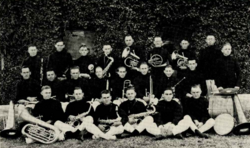
The journey began in 1902 with the establishment of the UA ROTC Band. Under the direction of student B-flat clarinetist William K. Seitz, the ensemble consisted of only 12 members. Clad in military uniforms, they made their debut at a battalion parade on December 9, 1902. While the group was dissolved in 1904 due to a lack of interest, it was reborn in 1907 as a formal part of the Music Department.
By 1920, the band grew to 40 members after being offered for one credit unit, eventually absorbing the functions of the ROTC band. A pivotal moment occurred in 1922 when the ensemble made its first appearance at a football game, bolstered by 50 instruments provided by the Military.
Rising to National Prominence
The band's prestige grew significantly in 1928 with the hiring of Joseph DeLuca. A former member of Sousa's band and recognized as the world's greatest euphonium soloist, DeLuca led the ensemble to become the first band from Arizona to perform on the radio. By 1936, the group earned the moniker "The Best Band in the West" during the Western States and Philippine Islands Music Conference in Pasadena, California.
Following World War II, the band entered a period of modernization. In 1945, women were permitted to march in the Arizona Band for the first time. In 1952, Director Jack Lee composed the iconic fight song, "Bear Down, Arizona."
Innovation in Marching
The University of Arizona became a pioneer in the field of marching arts in 1954. During the first annual Band Day, the Arizona Band became the first in the nation to utilize marching charts and moving formations. This innovation propelled them into the ranks of the top five bands in the United States.
Global Stages and Historic Milestones
The latter half of the 20th century saw the band performing at some of the world's most high-profile events. On January 15, 1967, the band performed at halftime for Super Bowl I at the Los Angeles Coliseum, playing for 62,000 live spectators and an estimated 90 million television viewers.
Other historic highlights include:
- 1977: Marching in President James Carter's Inaugural Parade in Washington, D.C.
- 1984: "Bear Down, Arizona" was played to wake up astronauts during an April Space Shuttle mission.
- 1986: Traveling to Japan for the Tokyo Bowl game between Arizona and Stanford.
The Modern Era: The Pride of Arizona
In 1980, the official nickname "Pride of Arizona" was adopted. Under the leadership of Jay C. Rees starting in 1995, the ensemble embraced the slogan "The World's First Alternative Music Marching Band," blending traditional collegiate sounds with contemporary influences.
The band has expanded its reach through studio recordings, releasing albums such as The Pride of Arizona (1997), Wildcats Legacy Lane (2001), and Monkey Feet (2008). The latter was dedicated to the memory of horn player Eric Bradley, with proceeds benefiting the University of Arizona Cancer Center.
Recent years have seen continued acclaim, including viral social media praise from the band No Doubt in 2019 and the 2024 receipt of the Sudler Trophy, often described as the "Heisman Trophy of the collegiate band world."
Key Facts
- Founded: 1902 (as UA ROTC Band).
- Official Nickname: Pride of Arizona (adopted 1980).
- Signature Song: "Bear Down, Arizona," written by Jack Lee in 1952.
- Major Achievement: First band in the U.S. to use moving formations and marching charts (1954).
- Highest Honor: Recipient of the Sudler Trophy (2024).
- Largest Audience: Super Bowl I halftime show (1967).
| Year | Event/Milestone | Significance |
|---|---|---|
| 1902 | Establishment | Founded as ROTC Band with 12 members. |
| 1936 | "Best Band in the West" | Adopted name at Pasadena conference. |
| 1954 | Marching Innovation | First to use marching charts and moving formations. |
| 1967 | Super Bowl I | Performed for 90 million TV viewers. |
| 2009/2015 | CBDNA Recognition | Named one of the ten best college bands in the nation. |
| 2024 | Sudler Trophy | 34th recipient of the prestigious award. |
Frequently Asked Questions
When was the Pride of Arizona founded?
The band was originally established in 1902 as the UA ROTC Band, though it was later reorganized as part of the Music Department in 1907.
Who wrote the fight song "Bear Down, Arizona"?
The fight song was written by Jack Lee, who became the director of bands in 1952.
What is the Sudler Trophy?
The Sudler Trophy is a prestigious award for collegiate bands, described by the Los Angeles Times as the "Heisman Trophy of the collegiate band world." The Pride of Arizona became the 34th recipient in 2024.
What innovation did the band introduce to marching bands?
In 1954, the Arizona Band became the first in the nation to incorporate marching charts and moving formations into their performances.
Has the band performed internationally?
Yes, the band traveled to Japan in 1986 to perform at the Tokyo Bowl during the football game between Arizona and Stanford.