Post-War Jazz: From Bebop to the Digital Era
The outbreak of World War II served as a seismic shift for the world of jazz. In the early 1940s, the swing era had reached its zenith, with big bands representing a cornerstone of American culture and traveling overseas with the U.S. military. However, the war effort created significant logistical hurdles for these large ensembles. Conscription depleted the pool of available musicians, while shortages of rubber hindered road travel and a lack of shellac limited the production of gramophone records. Furthermore, a musicians' union recording ban between 1942 and 1944 severely restricted music distribution.
These constraints forced a transition. While some big bands hired teenagers below conscription age—such as saxophonist Stan Getz—others moved toward smaller, more agile groups. In the late-night jam sessions of New York City clubs and apartments, a new, uptempo, and highly improvisational style emerged. This movement, known as bebop, was pioneered by visionaries like Charlie Parker, Dizzy Gillespie, Thelonious Monk, Bud Powell, Max Roach, and Kenny Clarke.
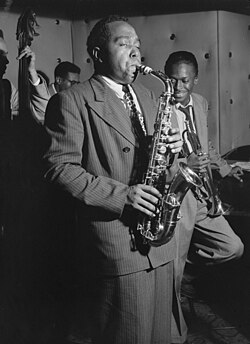
Key Facts
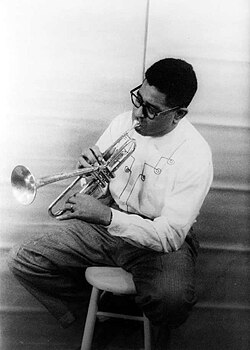
- Bebop emerged as a complex, fast-paced alternative to swing, focusing on harmonic substitution and melodic experimentation.
- Hard Bop integrated blues, gospel, and rhythm and blues into the bebop framework during the mid-1950s.
- Free Jazz, coined by Ornette Coleman, broke traditional structures in favor of collective improvisation.
- Jazz Fusion blended jazz improvisation with electric instruments and rock rhythms in the late 1960s.
- Afro-Cuban Jazz evolved from superimposing jazz phrasing over Cuban rhythms to a deep integration of salsa and jazz.
The Evolution of Modern Jazz Styles
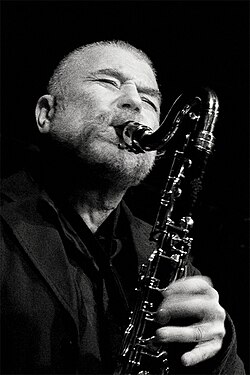
Bebop and the Hard Bop Transition
Bebop shifted jazz from danceable popular music to a sophisticated art form. By the mid-1950s, this evolved into hard bop, a "funkier" extension that incorporated gospel and R&B influences. Miles Davis helped introduce this style to the wider world with his 1954 performance of "Walkin'" at the Newport Jazz Festival. Other key figures included Art Blakey's Jazz Messengers and the Clifford Brown/Max Roach Quintet.
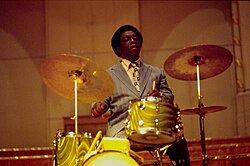
The Avant-Garde and Free Jazz
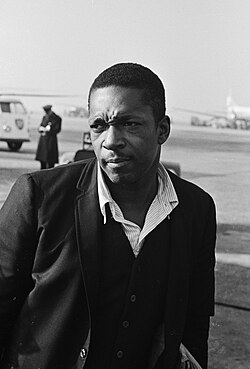
In the 1950s and 60s, musicians like Ornette Coleman and Cecil Taylor began dismantling traditional harmonic and rhythmic structures. This movement, termed free jazz, emphasized collective improvisation. John Coltrane became a central figure in this era, particularly with his 1965 recording Ascension, which utilized adventurous solos and controversial collective sections.
Latin and Afro-Cuban Integration
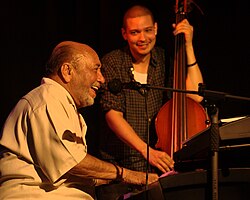
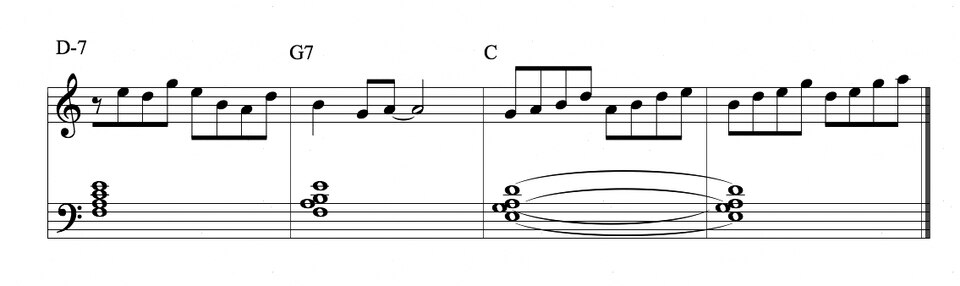
The intersection of jazz and Latin rhythms evolved significantly over decades. Early efforts often simply layered jazz over Cuban beats, but the late 1970s saw an Afro-Cuban jazz renaissance in New York. Musicians like the Gonzalez brothers and Eddie Palmieri integrated salsa dance music with jazz, utilizing complex vamps and parallel fourths.
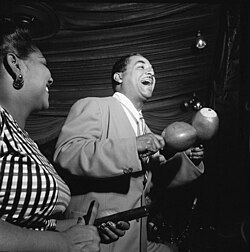
Another milestone in rhythmic exploration was Mongo Santamaria's "Afro Blue" (1959), the first jazz standard based on the African 3:2 cross-rhythm, or hemiola.
Fusion, Electronics, and the Traditionalist Reaction
The Rise of Jazz Fusion
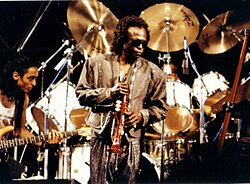
In the late 1960s, jazz-rock fusion emerged, combining jazz improvisation with the amplification and rhythms of rock icons like Jimi Hendrix. This era was defined by the use of electric instruments, odd time signatures, and syncopation. While it initially promised a new musical language, some critics argue it eventually mutated into a commercialized, jazz-inflected pop music by the late 1970s.
The Return to "Straight-Ahead" Jazz
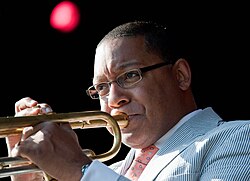
The 1980s witnessed a reaction against fusion and free jazz. Led by figures like Wynton Marsalis, the straight-ahead jazz movement sought to return to the traditions of Louis Armstrong and Duke Ellington. This period saw many fusion veterans, including Chick Corea and Herbie Hancock, return to acoustic instruments and jazz standards.
Modern Hybridity: Jazz Rap and Electronic Music
Jazz continued to evolve by influencing other genres. Jazz rap emerged in the late 80s, with groups like A Tribe Called Quest and Gang Starr sampling artists like Charlie Parker and Dizzy Gillespie. Simultaneously, electronic music producers like Aphex Twin and Squarepusher incorporated jazz's rhythmic complexities, creating a two-way exchange between improvisational jazz and electronic production.

Summary of Post-War Jazz Eras
| Movement | Approx. Peak | Key Characteristics | Notable Figures |
|---|---|---|---|
| Bebop | 1940s | Fast tempos, complex harmony, small groups | Charlie Parker, Dizzy Gillespie |
| Hard Bop | 1955–1965 | Blues, gospel, and R&B influences | Art Blakey, Miles Davis |
| Free Jazz | 1960s | Collective improvisation, dissonance | Ornette Coleman, John Coltrane |
| Fusion | 1970s | Electric instruments, rock rhythms | Miles Davis, Weather Report |
| Neo-Bop/Traditional | 1980s | Return to acoustic standards and swing | Wynton Marsalis |
Frequently Asked Questions
![C pentatonic scale beginning on the I (C pentatonic), IV (F pentatonic), and V (G pentatonic) steps of the scale.[clarification needed]](/images/71/56/71563d86e2260d808a4ca9a926f8323eae9458305af188cc5bb91ed57b6a0013.jpg)





What caused the decline of big band swing during WWII?
The decline was caused by a combination of musician conscription, shortages of rubber for touring, a lack of shellac for record pressing, and a commercial recording ban by the musicians' union from 1942 to 1944.
How does hard bop differ from bebop?
Hard bop is an extension of bebop that incorporates stronger influences from blues, gospel, and rhythm and blues, often resulting in a "funkier" sound with some simplified elements compared to the complexity of bebop.
What is the significance of "Afro Blue" in jazz?
Composed by Mongo Santamaria, "Afro Blue" was the first jazz standard built upon a typical African three-against-two (3:2) cross-rhythm, also known as a hemiola.
What is the "Young Lions Movement"?
The Young Lions Movement was part of a 1980s resurgence of traditionalism in jazz, where musicians like Wynton Marsalis rejected fusion and free jazz in favor of the styles pioneered by Louis Armstrong and Duke Ellington.
How did jazz influence the development of hip-hop?
Through the emergence of jazz rap in the late 1980s, artists sampled jazz records (such as those by Dizzy Gillespie and Charlie Parker) to create a sophisticated rhythmic and melodic foundation for hip-hop.