Polonia: From National Personification to the Global Diaspora
The term Polonia carries a deep historical and linguistic weight, serving as more than just a name. While it is the Latin designation for Poland—a form adopted by many Romance and other languages—its meaning has evolved over centuries to represent both the physical state and the spirit of the Polish people across the globe.
The Evolution of the Term
In contemporary usage, the word Polonia is most frequently used in the Polish language to refer to the Polish diaspora, the community of people of Polish descent living outside the borders of Poland. This shift reflects the movement of populations and the enduring connection between emigrants and their ancestral homeland.
However, historically, Polonia served a different purpose: as a national personification. A personification is a symbolic representation of an abstract concept—in this case, a nation—depicted as a human figure to evoke specific emotions and values.
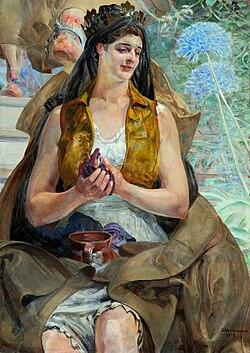
The Tradition of National Personifications
The practice of depicting a country as a woman, typically referred to by the country's Latin name, was a widespread artistic and political trend during the 19th century. This visual shorthand allowed artists and political commentators to communicate complex ideas about sovereignty, resilience, and national identity.
Polonia was part of a broader European tradition of such figures. Other prominent examples from this era include:
- Germania (Germany)
- Britannia (Great Britain)
- Hibernia (Ireland)
- Helvetia (Switzerland)
Key Facts
- Linguistic Origin: Polonia is the Latin name for Poland.
- Modern Meaning: Currently used primarily to describe the Polish diaspora.
- Artistic Role: Served as a national personification, depicting Poland as a woman.
- Historical Context: This style of personification was common throughout the 19th century.
- Notable Artwork: Jacek Malczewski's 1918 painting "Polonia" coincides with the year of Poland's independence.
| Country | Latin Personification Name |
|---|---|
| Poland | Polonia |
| Germany | Germania |
| Great Britain | Britannia |
| Ireland | Hibernia |
| Switzerland | Helvetia |
Frequently Asked Questions
What does Polonia mean in modern Polish?
In modern Polish, the term is most commonly used to refer to the Polish diaspora, meaning Polish people living in other countries.
What is a national personification?
A national personification is the symbolic depiction of a country as a human figure, often a woman, to represent the nation's identity or spirit.
When was the use of female national personifications most common?
This symbolic tradition was particularly prevalent during the 19th century across Europe.
Which other countries used Latin names for their personifications?
Similar to Polonia, other examples include Germania for Germany, Britannia for Great Britain, Hibernia for Ireland, and Helvetia for Switzerland.
Who is Jacek Malczewski?
Jacek Malczewski is the artist who created the celebrated painting "Polonia" in 1918, the year Poland regained its independence.